
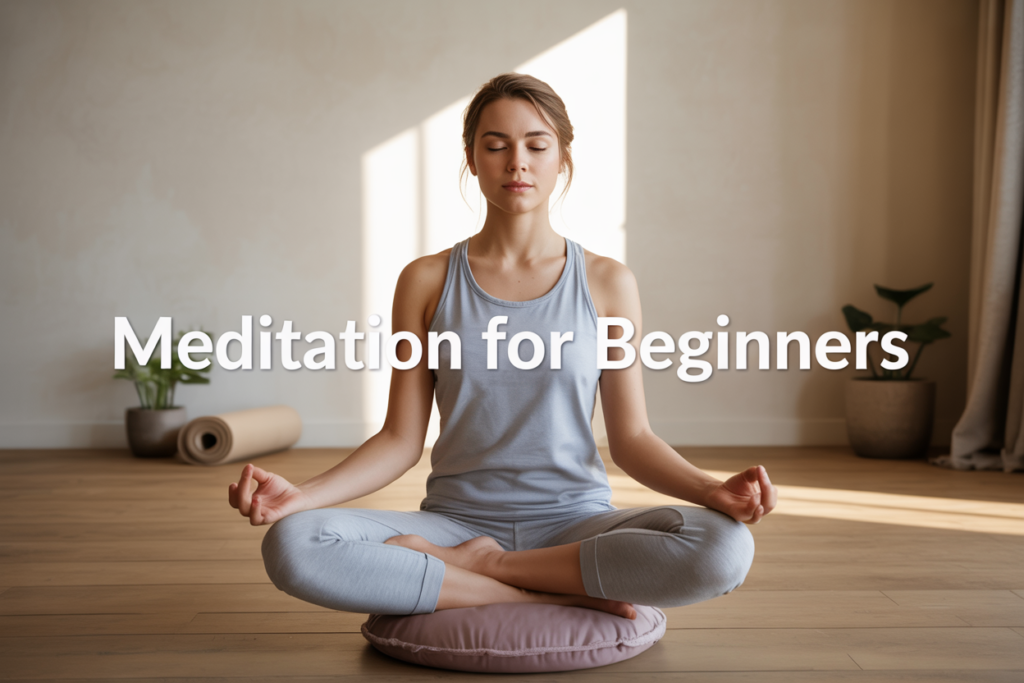
Meditation is a simple practice that trains your mind to focus and find calm in daily life. This beginner’s guide is perfect for anyone curious about meditation but unsure where to start, whether you’ve never tried it before or want to rebuild a consistent practice.
Meditation for beginners doesn’t require special equipment, perfect posture, or hours of your time. You can start with just a few minutes a day and see real benefits. Many people think meditation means emptying your mind completely, but it’s actually about learning to notice your thoughts without getting caught up in them.
In this guide, we’ll explore what meditation really is and break down the meditation fundamentals you need to know. You’ll discover essential meditation techniques like concentration and mindfulness meditation, plus learn practical steps to start meditating right away. We’ll also cover how to build a consistent meditation habit that sticks and dive into the science-backed benefits of regular meditation practice.
Ready to learn how to start meditating? Let’s dive into the basics and get you on your way to a calmer, more focused life.
Understanding Meditation Fundamentals
Definition and Core Principles of Meditation
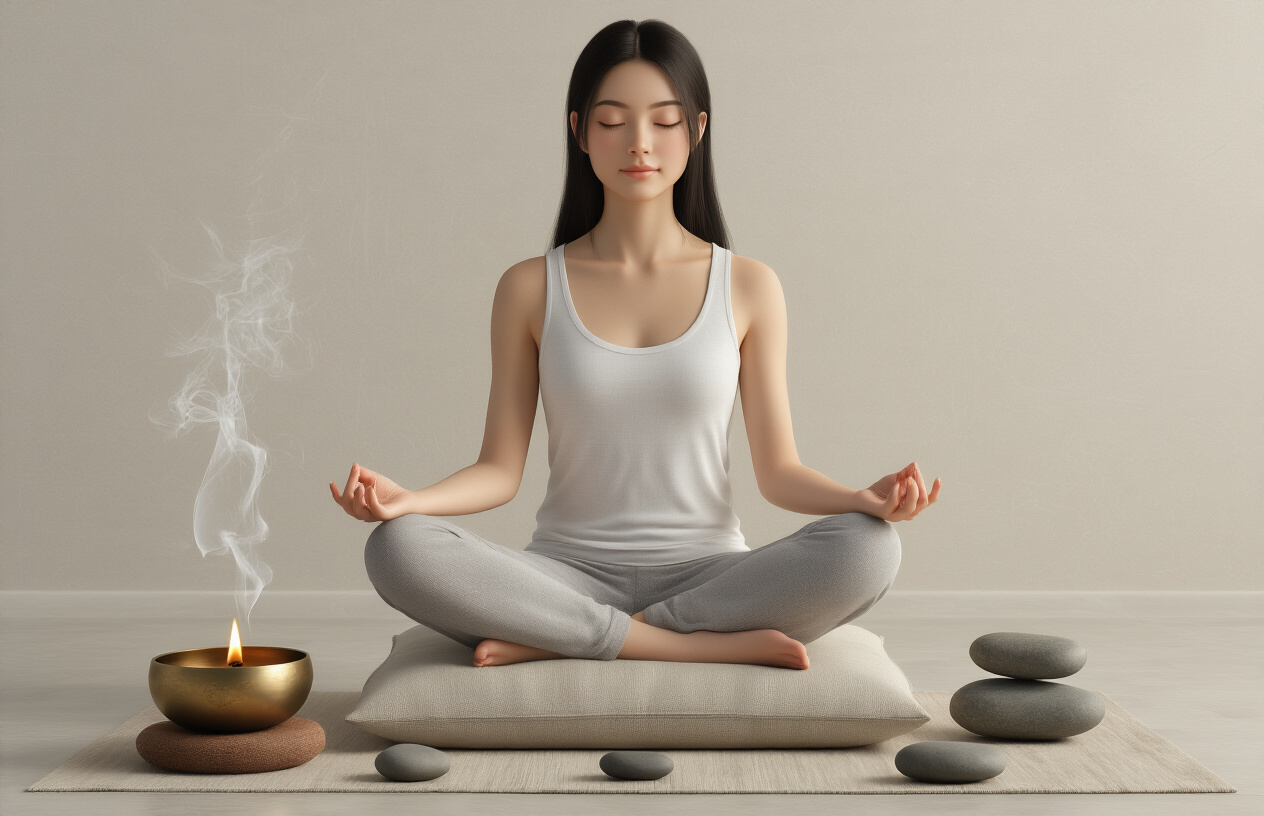
Meditation for beginners starts with understanding that meditation is fundamentally an approach to training the mind, similar to how fitness trains the body. This foundational concept helps newcomers grasp that meditation practice is essentially mental exercise designed to strengthen and develop specific cognitive abilities.
The core principle underlying all meditation techniques is the practice of being present. Unlike popular belief that meditation aims to achieve specific benefits, the ultimate purpose is simply to cultivate presence and awareness. This shift in perspective is crucial for beginners to understand, as it removes the pressure of achieving particular outcomes and allows for a more authentic practice.
Buddhist philosophy provides deeper insight into meditation’s ultimate goal: the liberation of the mind from attachment to things beyond our control. This liberation naturally leads to a calm mind and inner harmony, which emerges as a byproduct of consistent practice rather than the primary objective.
Different Types of Meditation Practices
As Richard J. Davidson, Ph.D., notes from Buddhist tradition, “meditation” is actually a family of activities, not a single practice – much like how “sports” encompasses various athletic activities in Western culture. This understanding is essential for those learning how to start meditating, as different meditation practices require different mental skills.
The broad spectrum of meditation techniques includes:
- Concentration practices: Focus-based techniques that train sustained attention
- Mindfulness meditation: Awareness-based practices that develop present-moment attention
- Moving meditation: Active forms that combine physical movement with meditative awareness
Each type serves different purposes and develops distinct mental capabilities, allowing practitioners to choose approaches that align with their goals and preferences.
Common Misconceptions About Meditation
One of the most pervasive misconceptions about meditation fundamentals is the belief that successful meditation requires sitting for hours while aiming to “think of nothing” or achieve an “empty mind.” This expectation is particularly challenging for beginners and often leads to frustration and abandonment of practice.
The reality is far more accessible and practical. Meditation doesn’t demand the complete absence of thoughts or extended sitting periods. Instead, it involves working skillfully with the mind’s natural activity, developing awareness of thoughts and feelings without being overwhelmed by them. Understanding this distinction helps beginners approach meditation with realistic expectations and greater likelihood of success in establishing a sustainable practice.
Essential Meditation Techniques for Beginners
Concentration Meditation Methods
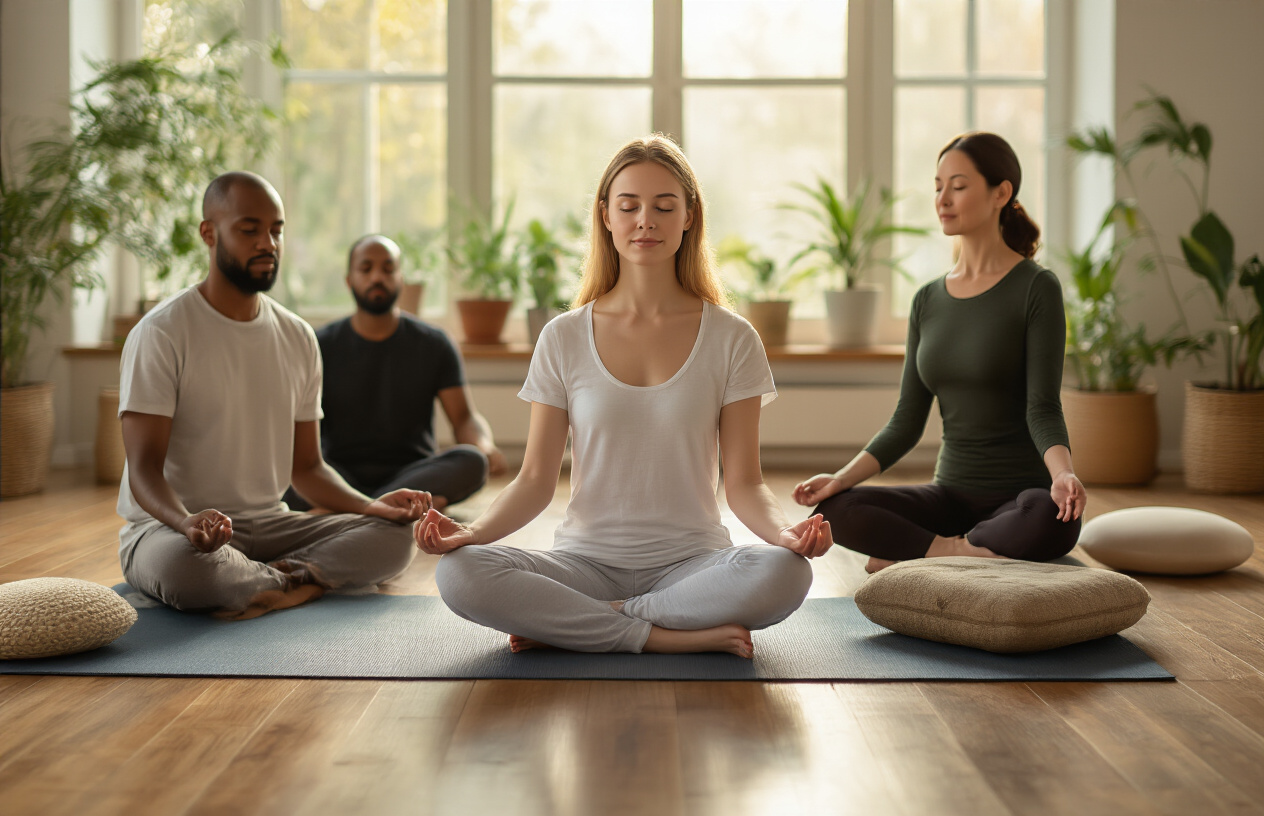
Concentration meditation involves focusing your attention on a single point of reference, making it one of the most accessible meditation techniques for beginners. This foundational practice centers around maintaining sustained attention on a chosen object, whether that’s following your breath, repeating a mantra, staring at a candle flame, listening to a repetitive gong, or counting beads on a mala.
The key to successful concentration meditation lies in understanding that your mind will naturally wander—this is completely normal and expected. When you notice your thoughts drifting away from your chosen focus point, the practice involves gently bringing your awareness back to the object of attention while letting random thoughts go without judgment or resistance.
This consistent return to your focal point strengthens your mental discipline over time. Through regular practice, concentration meditation significantly improves your ability to concentrate, not just during meditation sessions but in daily life activities as well. The enhanced focus you develop becomes a valuable skill that extends beyond your meditation practice.
Mindfulness Meditation Approach
Mindfulness meditation takes a different approach from concentration techniques, encouraging practitioners to observe wandering thoughts as they naturally drift through the mind. Rather than redirecting attention to a single focus point, this meditation technique involves watching your thoughts, emotions, and sensations without getting involved or judging them.
This observational stance helps practitioners become aware of how thoughts and feelings tend to move in particular patterns. By maintaining this non-judgmental awareness, you begin to recognize recurring mental habits and emotional responses that typically operate below conscious awareness.
The transformative power of mindfulness meditation emerges through consistent practice. As you continue observing your inner experience without attachment, an inner balance develops by recognizing the human tendency to quickly judge experiences as good, bad, or neutral. This awareness creates space between you and your automatic reactions, fostering greater emotional regulation and mental clarity.
Moving Meditation Options
For beginners who find sitting meditation challenging or prefer incorporating physical movement into their practice, moving meditation techniques offer excellent alternatives. These approaches combine meditative awareness with gentle, intentional movement, making meditation more accessible for those who struggle with stillness.
Moving meditation techniques include tai chi, qigong, and walking meditation. Each of these practices maintains the core principles of meditation while engaging the body in slow, deliberate movements. This combination helps practitioners develop mindfulness while moving, creating a bridge between formal meditation practice and mindful living throughout daily activities.
These movement-based approaches are particularly beneficial for beginners who experience restlessness during seated meditation or those who learn better through kinesthetic engagement.
Setting Up Your Meditation Practice
Choosing the Best Time to Meditate
When establishing your meditation practice, timing plays a crucial role in building consistency and maximizing benefits. Meditating first thing in the morning is often recommended as it sets a calm and focused tone for the day ahead. This early practice helps you begin with clarity and intention before the demands of daily life take over.
However, the most important aspect is to select a consistent time that works best for you and your lifestyle. Whether you’re naturally an early riser or find evening sessions more suitable, consistency trumps the specific hour you choose. Consider your daily schedule, energy levels, and when you’re least likely to be interrupted when determining your optimal meditation time.
Creating Your Ideal Meditation Space
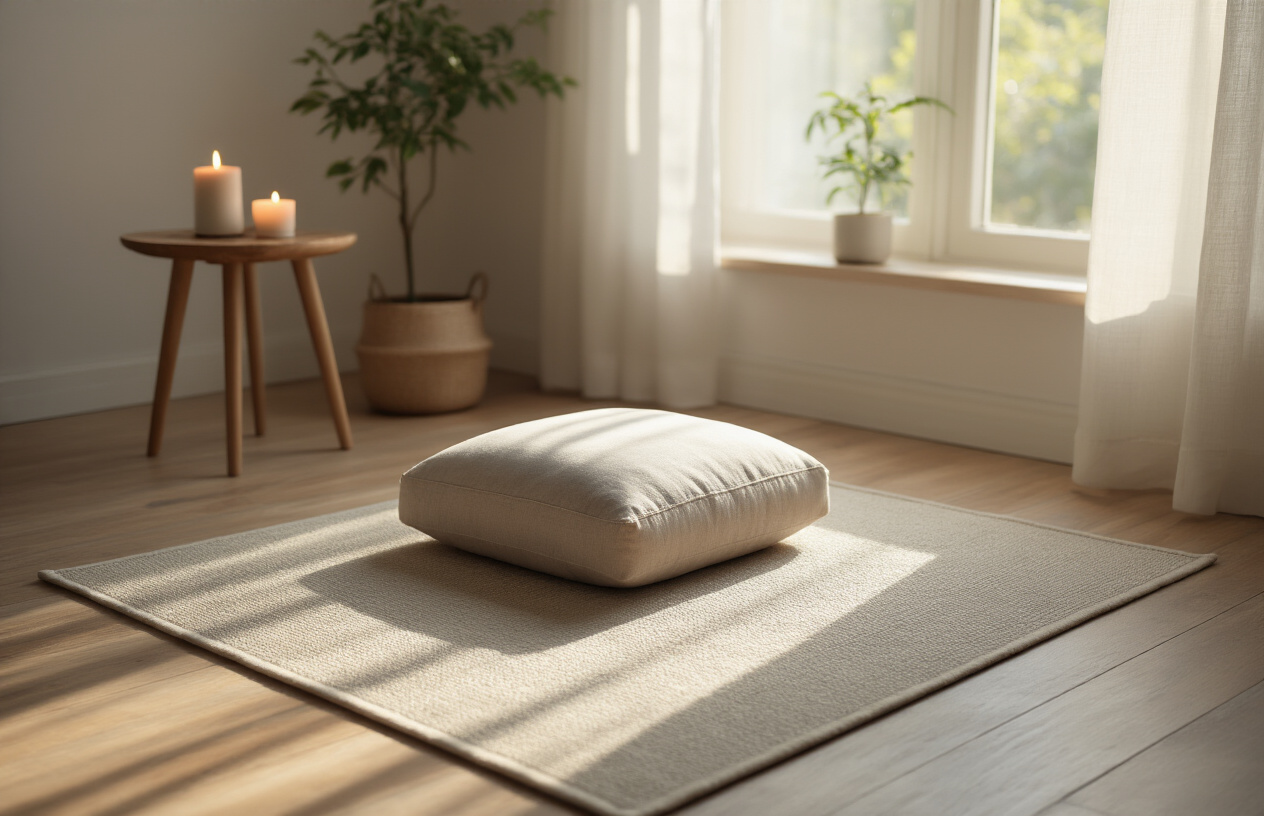
Your meditation environment significantly impacts the quality of your practice. Any reasonably quiet, comfortable place where you are unlikely to be interrupted is suitable for meditation. This doesn’t require a dedicated room or elaborate setup—even a corner of your bedroom or living room can serve as your meditation sanctuary.
Focus on minimizing distractions and creating a sense of calm in your chosen space. The key is finding a location that feels peaceful to you and where you can maintain regular practice without disruption. This consistency in location helps signal to your mind that it’s time to settle into meditation mode.
Proper Posture and Positioning
Establishing correct posture is fundamental for effective meditation practice. Before beginning, wear comfortable clothing, remove uncomfortable shoes, and loosen tight garments like ties or belts that might restrict your breathing or movement.
For seated meditation, sit in the middle of a chair with uncrossed legs, feet flat on the floor, and hands resting comfortably on your legs or lap. Ensure your body is positioned so that your muscles can switch off and relax while maintaining alertness. This upright position promotes both relaxation and mental clarity.
While sitting upright is generally recommended for most meditation techniques, lying down is an acceptable option if sitting is too painful or uncomfortable. If you choose to lie down, use a thin pillow under your head and bend your knees with feet flat to protect your lower back and maintain comfort throughout your session.
Practical Steps to Start Meditating
Basic Breathing Meditation Exercise
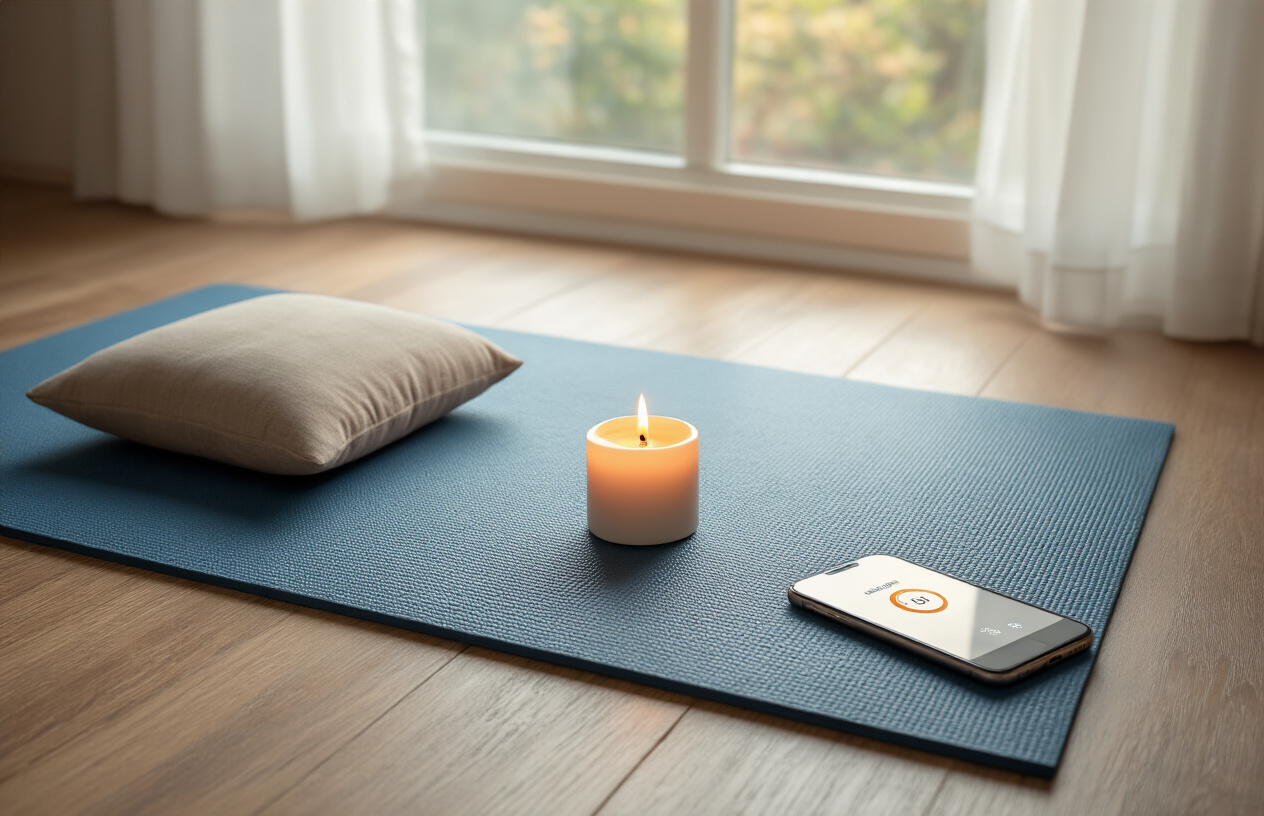
Now that we have established the foundation for meditation, let’s explore the most fundamental practice for beginners. Breathing meditation serves as the cornerstone of meditation for beginners because it requires no special equipment or complex techniques.
To begin your basic breathing meditation exercise, find a comfortable position either sitting or lying down. Close your eyes gently and allow your body to settle. The key principle here is to avoid trying to control your breath – simply allow yourself to breathe naturally. This natural breathing pattern becomes your anchor point for the entire practice.
Focus your attention on the breath and observe the subtle movements of your body with each inhalation and exhalation. Pay attention to how your chest rises and falls, notice the gentle movement in your shoulders, feel the expansion and contraction of your rib cage, and observe the rhythmic rise and fall of your belly. These physical sensations provide concrete focal points that make meditation techniques more accessible for newcomers.
Before settling into the main practice, you can ground yourself with a few intentional inhales and exhales, then shift to listening to your body’s natural rhythm. This preparatory phase helps establish the mind-body connection essential for effective meditation.
Simple Techniques for Focusing the Mind
With the breathing foundation established, let’s examine specific approaches for maintaining mental focus during your meditation practice guide. Focusing on the breath represents the easiest way to begin meditating, making it the ideal starting point for developing concentration skills.
In concentration meditation, the primary technique involves consistently refocusing your awareness on your chosen object of attention – in this case, your breath – each time your mind wanders. This practice trains your mental muscles to maintain sustained attention, a skill that strengthens with regular practice.
The approach is straightforward yet requires patience: rather than pursuing random thoughts that arise, simply let them go. This doesn’t mean fighting against thoughts or becoming frustrated when they appear. Instead, acknowledge their presence without engagement and gently redirect your attention back to your breath.
Managing Wandering Thoughts
Previously, we’ve established that wandering thoughts are a natural part of the meditation experience. Mindfulness meditation teaches us specific strategies for working skillfully with these mental distractions.
When practicing mindfulness meditation, observe wandering thoughts as they drift through your consciousness without getting involved or judging them. Think of thoughts as clouds passing through the sky of your mind – you notice them, but you don’t need to chase after them or push them away forcefully.
If your mind wanders during breath meditation, the solution is remarkably simple: gently return your focus back to your breath. The word “gently” is crucial here, as many beginners become self-critical when they notice their minds have wandered. This gentle return to the breath, repeated countless times throughout your practice, actually constitutes the meditation itself.
Remember that noticing when your mind has wandered is actually a moment of awareness – a small victory rather than a failure. Each time you recognize that your attention has drifted and consciously choose to return to your breath, you’re strengthening your capacity for mindful awareness.
Building a Consistent Meditation Habit
Starting Small and Gradually Increasing Duration
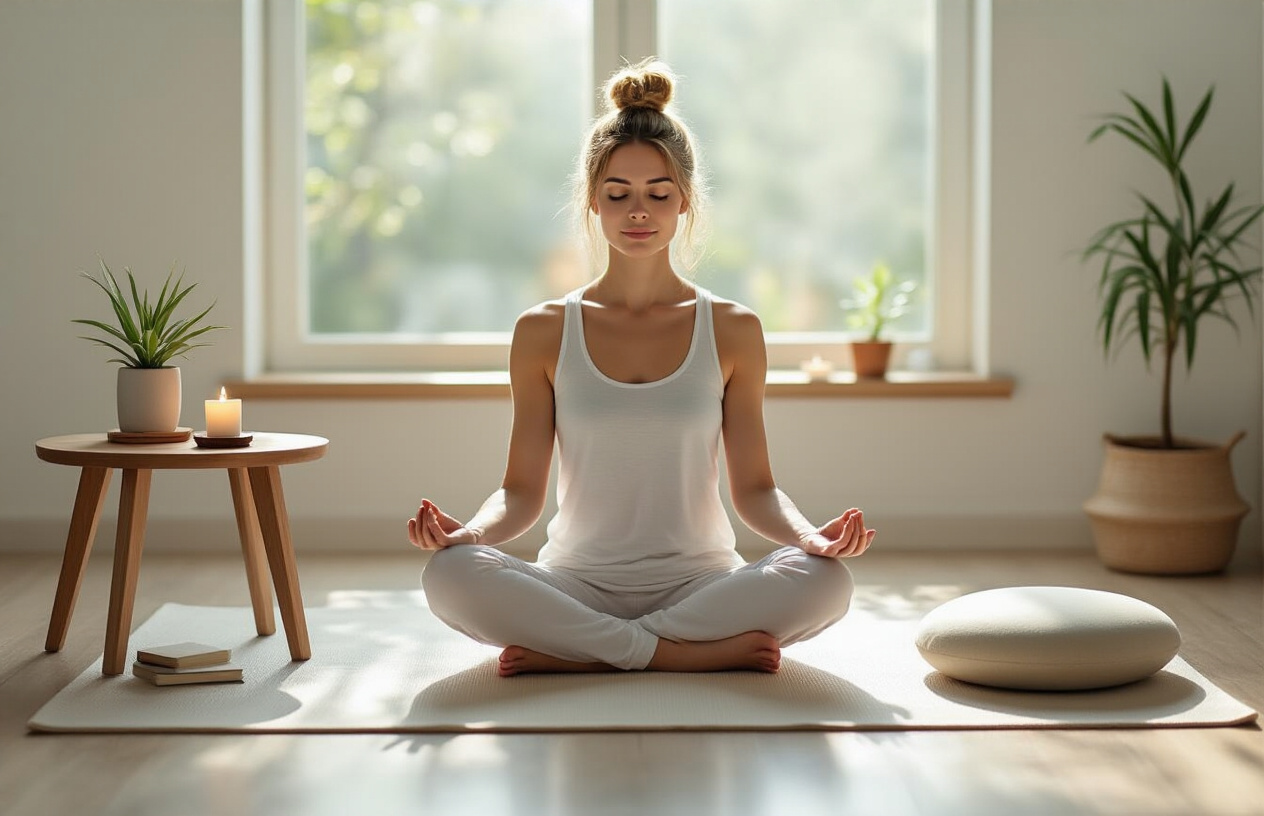
The key to establishing a sustainable meditation practice lies in beginning with manageable sessions. For meditation for beginners, the most effective approach is to start with just two to three minutes of basic breathing exercises. This timeframe feels achievable and prevents the overwhelming feeling that often leads to abandoned meditation habits.
The fundamental principle here is to “start small, stay consistent.” Rather than attempting lengthy sessions that may feel daunting, short initial practices build confidence and create positive associations with meditation. Once you’ve successfully maintained a two to three-minute routine, you can gradually try longer periods, extending your sessions by one to two minutes weekly.
This progressive approach allows your mind to adapt naturally to the meditation process, making longer sessions feel more comfortable and accessible over time. The emphasis remains on consistency rather than duration, ensuring that your meditation practice becomes a reliable part of your daily routine.
Anchoring Meditation to Daily Routines
To find time for meditation within busy schedules, the most effective strategy involves anchoring your practice to existing daily habits. This technique leverages the power of routine by connecting meditation to activities you already perform consistently.
For example, you might establish a sequence such as “meditate, brush teeth, drink coffee.” By placing meditation before or after an established routine like brushing your teeth, you create a natural trigger that reminds you to practice. This anchoring method transforms meditation from an additional task into an integrated part of your existing schedule.
The beauty of this approach lies in its simplicity. Since you already perform certain activities daily, connecting meditation to these habits requires minimal additional mental effort and creates automatic cues for your meditation practice.
Overcoming Common Practice Obstacles
The most crucial aspect of building meditation habits involves managing expectations and handling interruptions gracefully. When developing your meditation practice guide, it’s essential to prepare for missed sessions without self-judgment.
If you miss a meditation session, the recommended approach is remarkably straightforward: do not be frustrated, and simply restart the next day. This compassionate response prevents the all-or-nothing mentality that often derails beginner meditation tips and practices.
Understanding that missed sessions are normal parts of developing any new habit helps maintain long-term consistency. Rather than viewing breaks as failures, treat them as temporary pauses that don’t diminish your overall progress. This mindset shift transforms potential obstacles into manageable interruptions, keeping your meditation fundamentals intact and your motivation sustainable.
Science-Backed Benefits of Regular Meditation
Physical Health Improvements
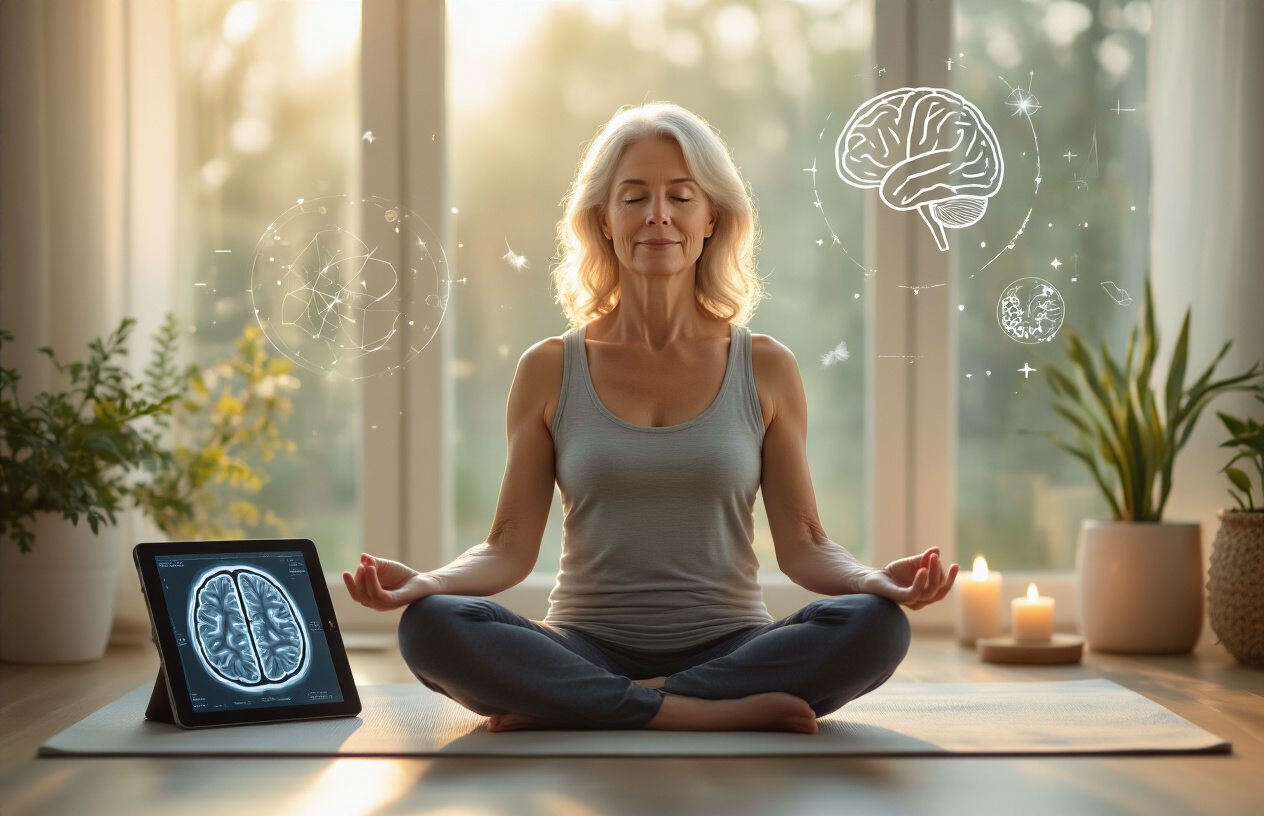
Research on the “relaxation response,” a term coined by Herbert Benson, MD, provides compelling documentation of meditation’s immediate physical health benefits. When you practice meditation for beginners regularly, your nervous system experiences measurable improvements that manifest throughout your body. These documented short-term benefits include significantly lower blood pressure, which reduces strain on your cardiovascular system and decreases your risk of heart-related complications.
The benefits of meditation extend to improved blood circulation, ensuring that oxygen and nutrients reach your tissues more effectively. Your heart rate naturally decreases during meditation practice, indicating a state of deep physiological rest that allows your cardiovascular system to recover and strengthen. Additionally, practitioners experience less perspiration and a slower respiratory rate, both indicators that your body has entered a profound state of relaxation.
One of the most significant physical improvements involves lower blood cortisol levels. Cortisol, often called the “stress hormone,” can wreak havoc on your body when chronically elevated. Through consistent meditation practice guide implementation, you can naturally reduce these harmful stress hormones, protecting your body from the damaging effects of chronic stress.
Mental and Emotional Wellness Benefits
Now that we’ve explored the physical improvements, the mental and emotional benefits of meditation are equally remarkable. Short-term benefits to the nervous system create a foundation for enhanced psychological well-being that transforms your daily experience.
Regular meditation practice leads to measurably less anxiety, providing relief from the constant mental chatter and worry that plague many people in our fast-paced world. This reduction in anxiety isn’t merely subjective—it represents genuine neurological changes that occur when you engage in consistent mindfulness meditation practices.
Practitioners consistently report more feelings of well-being, describing an enhanced sense of contentment and life satisfaction that emerges naturally from their meditation routine. This improved emotional state stems from the nervous system’s ability to regulate stress responses more effectively, creating space for positive emotions to flourish.
The stress reduction achieved through meditation practice creates a cascade of emotional benefits. When stress levels decrease, you naturally experience deeper relaxation that extends beyond your formal meditation sessions. This enhanced relaxation capacity becomes a valuable life skill, allowing you to navigate challenging situations with greater equanimity and emotional resilience.
Long-term Brain and Immune Function Changes
With these immediate benefits established, contemporary researchers are actively exploring whether consistent meditation practice guide adherence leads to long-term positive effects on brain and immune function. This emerging field of study represents some of the most exciting frontiers in meditation research, as scientists investigate the lasting transformations that occur in dedicated practitioners.
Current research focuses on understanding how sustained meditation practice might create permanent positive changes in brain structure and function. These investigations examine whether the neuroplasticity benefits observed in short-term studies translate into lasting improvements in cognitive function, emotional regulation, and stress resilience.
The immune system research is particularly promising, as scientists explore how regular meditation might enhance your body’s natural defense mechanisms. This research examines whether the stress reduction and relaxation response documented in short-term studies contribute to stronger immune function over months and years of consistent practice.
While this research is still developing, the scientific community’s active exploration of these long-term effects underscores meditation’s potential for creating profound, lasting changes in both brain and immune function. These investigations continue to validate what practitioners have long understood—that consistent meditation practice offers benefits that compound over time, creating increasingly powerful positive effects on overall health and well-being.
Returning to Practice After Breaks
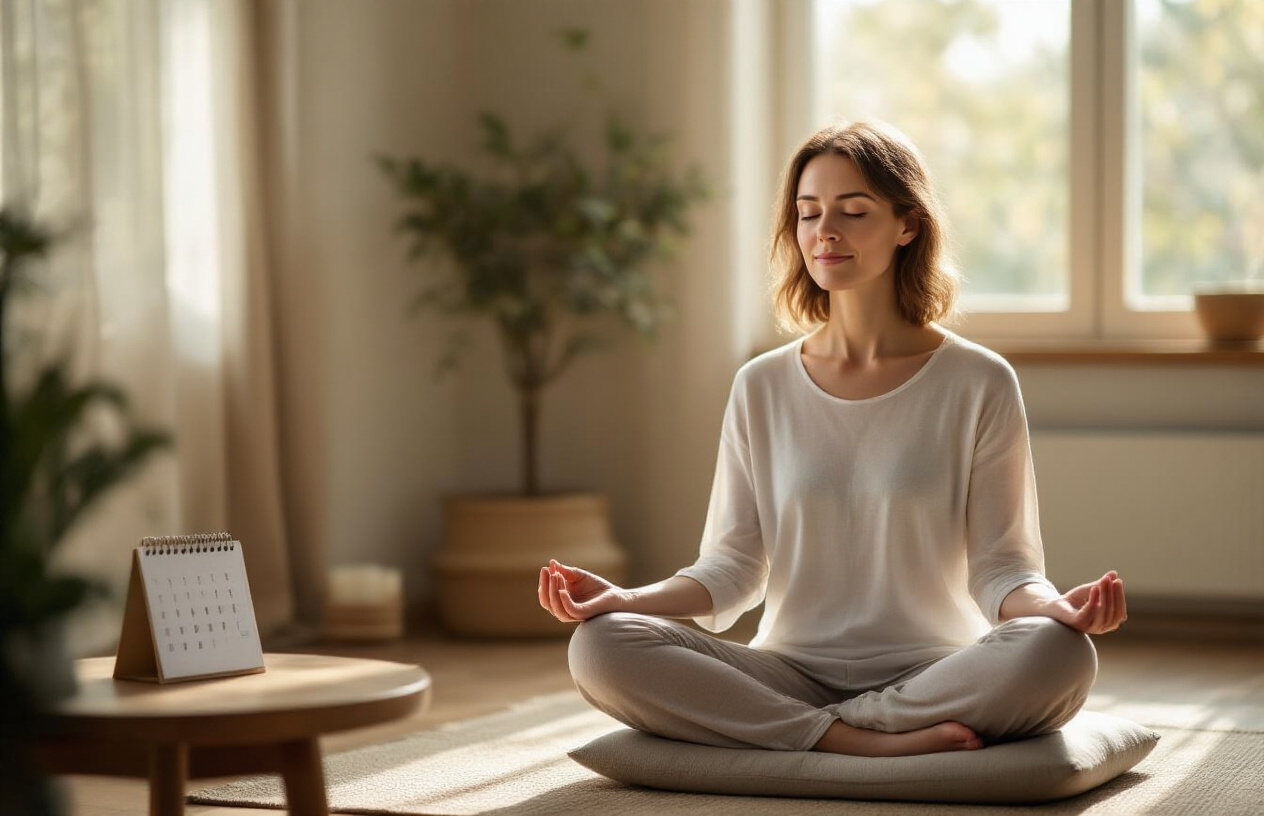
Assessing Your Time Away from Meditation
When returning to your meditation practice after a break, the first step involves honestly evaluating how long you’ve been away from your meditation habits. This assessment directly determines the most effective approach for restarting your journey. Different break durations require tailored strategies to ensure a smooth transition back into regular practice.
The length of your meditation break serves as the primary factor in determining your restart strategy. Whether you’ve missed a few sessions or taken an extended hiatus, understanding where you stand helps establish realistic expectations and prevents overwhelm when resuming your practice.
Strategies for Restarting Your Practice
Now that we’ve covered the importance of assessing your break, let’s explore the specific strategies tailored to different time periods away from meditation for beginners.
Short Breaks (A Few Days)
If your break has only lasted a few days, you can simply pick up where you left off in your meditation practice guide. Your foundation remains intact, and jumping back into your previous routine won’t overwhelm your system.
Medium Breaks (At Least One Week)
When your break extends to at least a week, restarting a meditation program or “pack” becomes the recommended approach. This structured restart helps rebuild your familiarity with meditation techniques while providing the guidance needed to regain momentum.
Extended Breaks (Over One Month)
If your break has exceeded a month, completing a “Learn the Basics of Meditation” course before resuming practice is strongly advised. This comprehensive reset ensures you rebuild your meditation fundamentals properly and avoid potential frustration from attempting to resume advanced practices too quickly.
Building Consistency After Interruptions
With this approach in mind, maintaining consistency after interruptions requires a compassionate yet disciplined mindset. The key principle for building consistent meditation habits after breaks centers on immediate resumption rather than dwelling on missed sessions.
If you miss a single meditation session, the most effective strategy involves starting right up again the next day. This approach prevents the common trap of perfectionism that often leads to extended breaks when practitioners feel they’ve “failed” their routine.
Building consistency after interruptions also means accepting that breaks are a natural part of any long-term practice. Rather than viewing interruptions as failures, treat them as opportunities to strengthen your commitment to returning to your meditation practice guide. This mindset shift transforms potential obstacles into stepping stones for developing a more resilient and sustainable practice.
The benefits of meditation remain accessible regardless of how many times you restart, making each return to practice a valuable investment in your overall well-being and mindfulness journey.
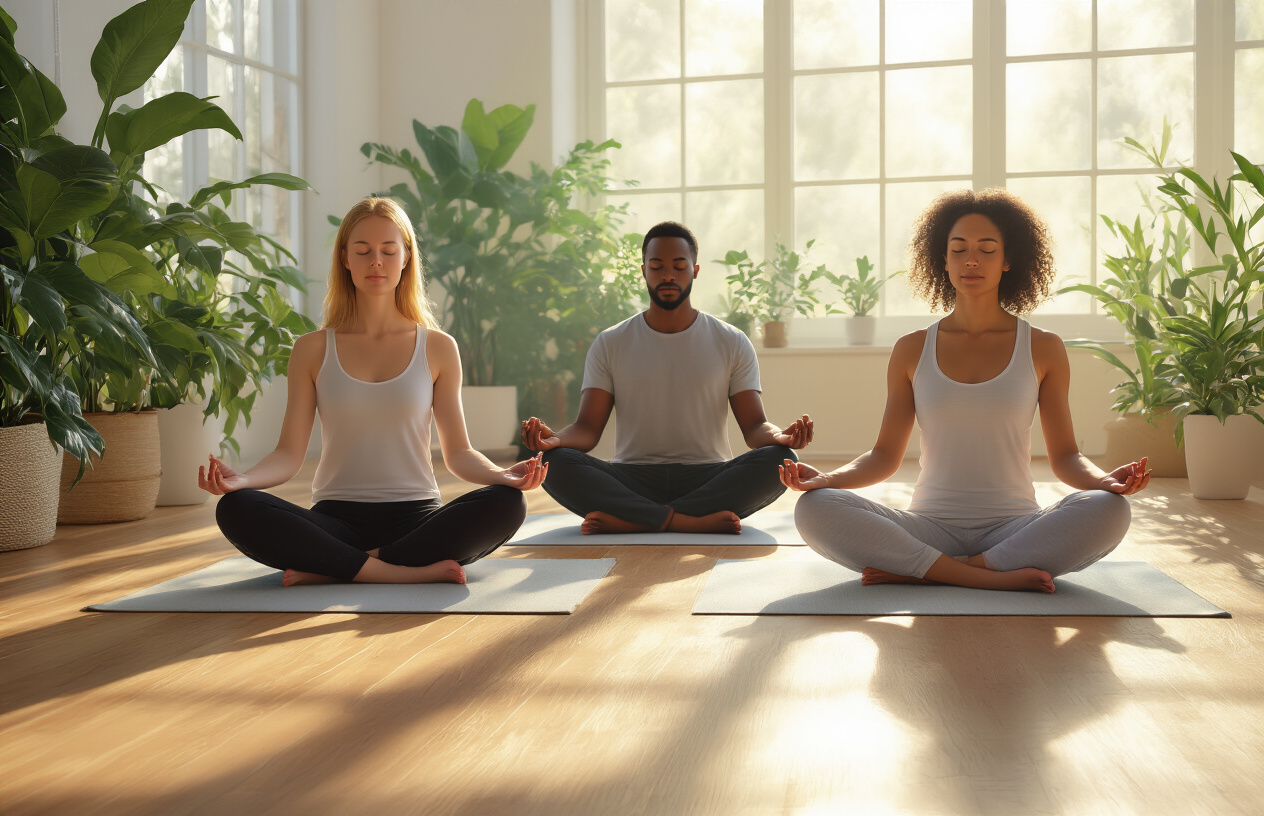
Meditation doesn’t have to be complicated or time-consuming—it just takes a little curiosity and a willingness to show up for yourself. Whether you’re focusing on your breath through concentration meditation, observing your thoughts with mindfulness techniques, or building consistency by anchoring your practice to your daily routine, the key is to start small and stay committed. Remember that there’s no wrong way to meditate, and missing a session isn’t a failure—simply begin again the next day.
The science-backed benefits of regular meditation, from reduced stress and lower blood pressure to improved focus and emotional balance, make it a worthwhile investment in your well-being. As you embark on this journey, keep in mind that the goal isn’t to achieve a perfectly empty mind or immediate transformation. Instead, meditation is about being present and training your awareness, one breath at a time. Start with just a few minutes each day, find a comfortable space, and allow yourself to discover what works best for you.