
Meditation feels mysterious to many people, but it’s actually a simple practice that anyone can learn. This complete meditation guide breaks down exactly what meditation is and shows beginners how to start their own practice in 2026.
This guide is perfect for complete beginners who want to understand meditation basics, busy people looking to reduce stress, and anyone curious about the mental health benefits of regular practice.
You’ll discover the core fundamentals of meditation and learn why millions of people worldwide make it part of their daily routine. We’ll explore different types of meditation practices so you can find the style that fits your personality and goals. You’ll also get step-by-step instructions for your first meditation session, plus practical meditation techniques that work for beginners.
By the end, you’ll know exactly how to meditate and have all the beginner meditation tips you need to build a sustainable daily meditation routine that actually sticks.
Understanding Meditation Fundamentals
Define meditation in simple terms
What is meditation exactly? Think of it as a mental workout for your brain. Just like you might go to the gym to strengthen your muscles, meditation trains your mind to focus, stay present, and find calm in the chaos of daily life.
At its core, meditation involves sitting quietly and paying attention to something specific – usually your breath, a word, or even the sensations in your body. You’re not trying to stop your thoughts completely (that’s impossible!), but rather learning to observe them without getting swept away by them.
Meditation for beginners can feel confusing because people often expect something mystical or complicated. The truth is much simpler: it’s about creating a few minutes of intentional awareness each day. You sit, you breathe, you notice when your mind wanders (and it will), and you gently bring your attention back to your chosen focus point.
The beauty of meditation lies in its accessibility. You don’t need special equipment, expensive classes, or years of training to start. A quiet corner of your home and a few minutes of your time are all that’s required to begin this practice.
Explore the science behind meditation
Modern neuroscience has revealed fascinating insights about what happens in your brain during meditation. When you meditate regularly, your brain literally changes its structure – a phenomenon called neuroplasticity.
Research shows that consistent meditation practice increases gray matter in areas associated with:
- Memory and learning – The hippocampus becomes more robust
- Emotional regulation – The prefrontal cortex strengthens its control over reactions
- Self-awareness – The insula develops better body awareness
- Stress response – The amygdala (your brain’s alarm system) becomes less reactive
Scientists have also discovered that meditation affects your brainwaves. During deep meditation, your brain produces more alpha and theta waves, which are associated with relaxation and creativity. This explains why many people report feeling more innovative and peaceful after their practice.
The stress hormone cortisol decreases with regular meditation, while feel-good chemicals like serotonin and dopamine increase. Your nervous system shifts from the “fight-or-flight” mode to the “rest-and-digest” state, giving your body a chance to heal and recharge.
Blood pressure often drops, heart rate variability improves, and immune function gets a boost. These changes don’t require years of practice – some benefits appear within just eight weeks of regular meditation.
Distinguish meditation from relaxation techniques
While meditation and relaxation both help you feel calmer, they work in fundamentally different ways. Understanding this difference helps you choose the right practice for your needs.
Relaxation techniques focus primarily on releasing physical tension and mental stress. Think of activities like:
- Taking a warm bath
- Listening to soothing music
- Getting a massage
- Progressive muscle relaxation
- Deep breathing exercises for immediate calm
These methods are fantastic for quick stress relief, but their effects are usually temporary. You feel better in the moment, but the underlying patterns of stress and reactivity remain unchanged.
Meditation techniques, on the other hand, go deeper. While you might feel relaxed during meditation, the real goal is developing awareness and changing your relationship with your thoughts and emotions.
| Relaxation | Meditation |
|---|---|
| Quick stress relief | Long-term mental training |
| Temporary effects | Lasting brain changes |
| Focus on feeling better | Focus on awareness and insight |
| Often passive | Requires active attention |
| Immediate results | Cumulative benefits over time |
Mindfulness meditation specifically trains you to observe your experience without trying to change it. You might notice tension in your shoulders during practice, but instead of immediately trying to relax those muscles, you simply acknowledge the sensation and continue observing.
This distinction matters because it sets appropriate expectations. If you’re looking for immediate stress relief, relaxation techniques might serve you better in the moment. If you want to develop greater emotional resilience and mental clarity over time, meditation is your path forward.
Understand the mind-body connection
Your mind and body aren’t separate entities – they’re part of one interconnected system that constantly communicates through complex networks of nerves, hormones, and electrical signals. Meditation helps you tune into this ongoing conversation.
When you’re stressed or anxious, your body responds immediately. Your heart rate increases, muscles tense up, breathing becomes shallow, and digestion slows down. These physical changes then send signals back to your brain, often amplifying the original stress response. It becomes a cycle that feeds on itself.
Meditation breaks this cycle by giving you a front-row seat to observe how your thoughts create physical sensations, and how physical sensations influence your mental state. During your daily meditation routine, you might notice that thinking about tomorrow’s presentation makes your chest feel tight, or that focusing on your breath naturally slows your heart rate.
This awareness becomes incredibly practical in everyday life. You start recognizing early warning signs of stress in your body before they escalate into full-blown anxiety or anger. Maybe you notice your jaw clenching during difficult conversations, or your shoulders rising when you check your email.
The mind-body connection also works in reverse. Changing your physical posture, breathing pattern, or muscle tension can shift your mental state almost instantly. This is why meditation guide instructions often emphasize sitting up straight and breathing deeply – these physical adjustments support mental alertness and calm.
Regular meditators report feeling more “at home” in their bodies, more aware of their physical needs, and better able to use physical techniques to manage emotional challenges. This integration of mental and physical awareness is one of meditation’s most valuable gifts.
Different Types of Meditation Practices
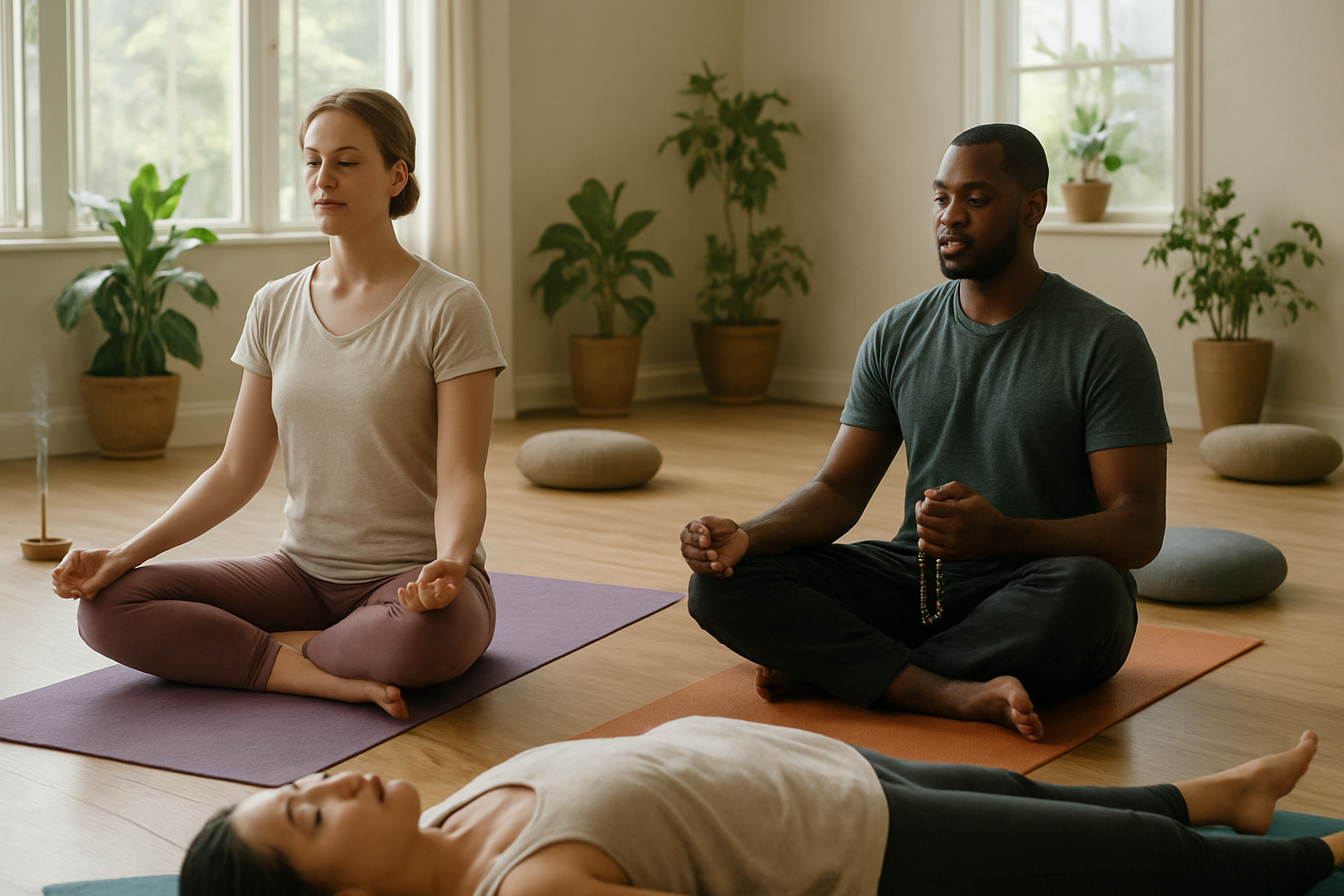
Mindfulness Meditation for Present Moment Awareness
Mindfulness meditation stands as one of the most accessible meditation techniques for beginners. This practice centers on developing awareness of the present moment without judgment. During mindfulness meditation, you simply observe your thoughts, feelings, and sensations as they arise, acknowledging them without getting caught up in their content.
The beauty of mindfulness meditation lies in its simplicity. You can practice it anywhere – sitting in a quiet room, walking in nature, or even during daily activities like eating or washing dishes. The key is maintaining gentle attention on what’s happening right now. When your mind wanders (which it will), you kindly redirect your focus back to the present moment.
Basic mindfulness meditation practice:
- Find a comfortable position
- Focus on your breath as an anchor
- Notice when thoughts arise without fighting them
- Gently return attention to breathing
- Practice for 5-20 minutes daily
Research shows that regular mindfulness meditation reduces stress, improves emotional regulation, and enhances overall well-being. Many meditation apps and guided sessions specifically focus on mindfulness techniques, making this an excellent starting point for your meditation journey.
Focused Attention Meditation Techniques
Focused attention meditation involves concentrating on a single object, thought, or sensation throughout your practice session. Unlike mindfulness meditation, which embraces whatever arises, focused attention meditation trains your mind to maintain sustained concentration on one specific target.
Popular focal points include:
| Focus Type | Examples | Benefits |
|---|---|---|
| Breath | Counting breaths, nostril sensations | Calms nervous system |
| Mantras | “Om,” “Peace,” personal phrases | Reduces mental chatter |
| Visual | Candle flame, sacred symbols | Improves concentration |
| Body Parts | Heart center, third eye | Enhances body awareness |
Breath-focused meditation ranks among the most fundamental focused attention practices. You might count your breaths from one to ten, then start over, or simply follow the natural rhythm of inhalation and exhalation. When distractions pull your attention away, you gently return focus to your chosen anchor point.
Mantra meditation involves repeating a word or phrase, either silently or aloud. The repetition creates a mental rhythm that helps quiet busy thoughts. Traditional mantras carry spiritual significance, but you can also use secular words like “calm” or “peace” that resonate with your intentions.
Visualization meditation guides you to create detailed mental images, perhaps imagining peaceful scenes or healing light flowing through your body. This technique particularly appeals to visual learners and those who enjoy creative practices.
Movement-Based Meditation Options
Movement-based meditation breaks the stereotype that meditation requires sitting still in lotus position. These dynamic practices combine physical activity with meditative awareness, making them perfect for people who struggle with traditional seated meditation or those who naturally connect with their bodies.
Walking meditation transforms ordinary movement into mindful practice. You walk slowly and deliberately, feeling each step as your foot contacts the ground. Pay attention to how your weight shifts, how your muscles engage, and how your surroundings look, sound, and feel. This practice works wonderfully outdoors in nature or even indoors in a quiet hallway.
Yoga blends physical postures with breath awareness and mental focus. Each pose becomes an opportunity to practice presence and body awareness. Whether following a gentle restorative sequence or more dynamic vinyasa flows, yoga naturally cultivates meditative states through movement.
Tai chi and qigong offer gentle, flowing movements that originated as moving meditation practices. These ancient Chinese arts emphasize slow, graceful motions coordinated with breathing patterns. The repetitive nature of the movements helps quiet mental chatter while building physical strength and flexibility.
Dance meditation allows free-form movement as a pathway to inner awareness. You might move to music, letting your body express whatever feelings arise, or practice in silence, tuning into your body’s natural rhythms and impulses.
Movement-based meditation particularly benefits people with ADHD, anxiety, or those who feel restless during seated practices. The physical component provides an outlet for excess energy while still developing the core skills of attention and awareness that define all meditation practices.
Proven Health Benefits of Regular Meditation
Reduce Stress and Anxiety Levels
Regular meditation acts as a natural stress-buster that works better than many people expect. When you meditate consistently, your body produces less cortisol – the main stress hormone that makes you feel overwhelmed and on edge. Studies show that people who practice meditation for beginners programs for just 8 weeks experience significant drops in their anxiety levels.
Your nervous system gets a chance to reset during meditation sessions. Instead of staying stuck in fight-or-flight mode, your body learns to activate its relaxation response. This shift helps you handle daily pressures with more calm and clarity. Many beginners notice they sleep better and worry less after establishing a regular practice.
Improve Focus and Concentration
Meditation techniques strengthen your brain’s attention muscles just like physical exercise builds your body. Research using brain scans reveals that people who meditate regularly develop thicker prefrontal cortex areas – the regions responsible for focus and decision-making.
The wandering mind gets trained to stay present through consistent practice. You’ll find yourself less distracted by random thoughts during work or conversations. Even brief 10-minute sessions can sharpen your mental clarity for hours afterward. This improved concentration spills over into every area of life, from reading books to listening to others more deeply.
Enhance Emotional Well-being
Daily meditation routine creates remarkable changes in how you process emotions. Your brain becomes better at recognizing feelings without getting swept away by them. This emotional intelligence helps you respond thoughtfully rather than react impulsively to challenging situations.
Depression symptoms often decrease with regular meditation practice. The default mode network in your brain – responsible for rumination and negative self-talk – becomes less active. You develop a healthier relationship with your thoughts, seeing them as temporary mental events rather than absolute truths about yourself or your circumstances.
Boost Physical Health Markers
Your cardiovascular system benefits tremendously from consistent meditation practice. Blood pressure drops naturally as your body learns to relax more deeply. Heart rate variability improves, indicating better overall heart health and resilience to stress.
Meditation benefits extend to pain management as well. Chronic pain sufferers often experience significant relief through mindfulness-based practices. The brain’s pain processing centers become less reactive, changing your relationship with physical discomfort. Inflammation markers in blood tests frequently show improvement after several months of regular practice.
Strengthen Immune System Function
Your immune system gets a powerful boost from regular meditation sessions. White blood cell activity increases, helping your body fight off infections more effectively. This happens because chronic stress suppresses immune function, and meditation directly counters this effect.
Research shows that people who meditate regularly catch fewer colds and recover faster when they do get sick. Your body produces more antibodies after vaccinations when you maintain a consistent meditation guide-based practice. The mind-body connection works both ways – as your mental state improves, your physical health follows suit.
Telomeres, the protective caps on your chromosomes that indicate cellular aging, actually lengthen in people who practice meditation long-term. This suggests that regular practice may slow down aging at the cellular level, contributing to longevity and better health as you age.
Getting Started with Your First Meditation Session
Choose the right time and location
Finding the perfect timing for your meditation practice can make or break your beginner meditation experience. Morning sessions work best for many people because your mind feels fresh and distractions stay minimal. If you’re naturally a night owl, evening meditation can help you unwind after a busy day. The key is picking a consistent time slot that fits your schedule and sticking with it.
Your location matters just as much as timing. Look for a quiet spot where interruptions won’t happen frequently. This could be a corner of your bedroom, a peaceful outdoor space, or even a dedicated meditation room if you have one. Avoid high-traffic areas where family members or roommates pass through regularly. Natural lighting works wonderfully, but dimmed artificial light creates a calming atmosphere too.
Consider your environment’s temperature and noise levels. A slightly cool room helps you stay alert, while excessive warmth might make you drowsy. Background noise like traffic or neighbors can be distracting at first, but don’t stress if you can’t find complete silence. Many experienced meditators actually use ambient sounds as part of their practice.
Set up your meditation space
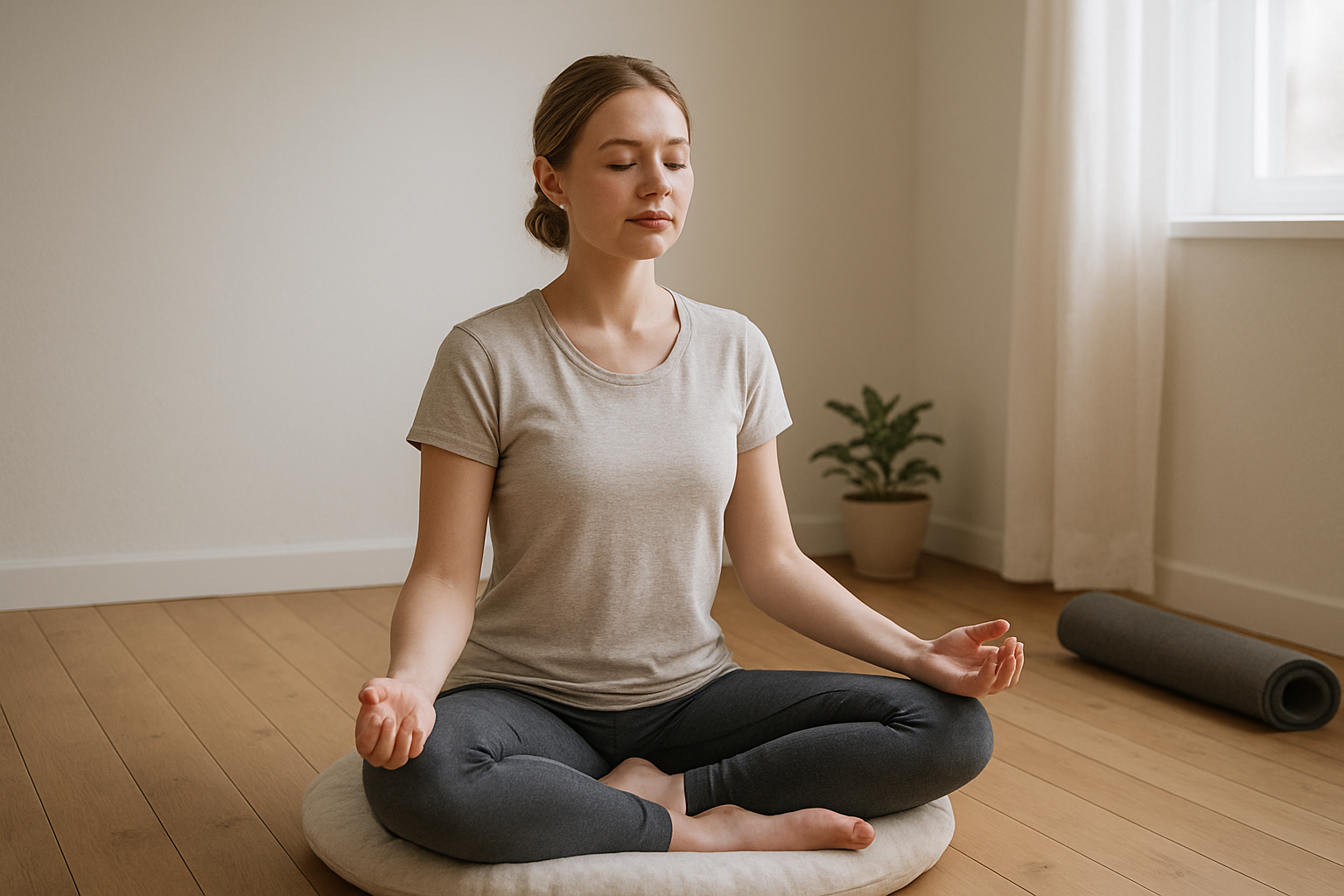
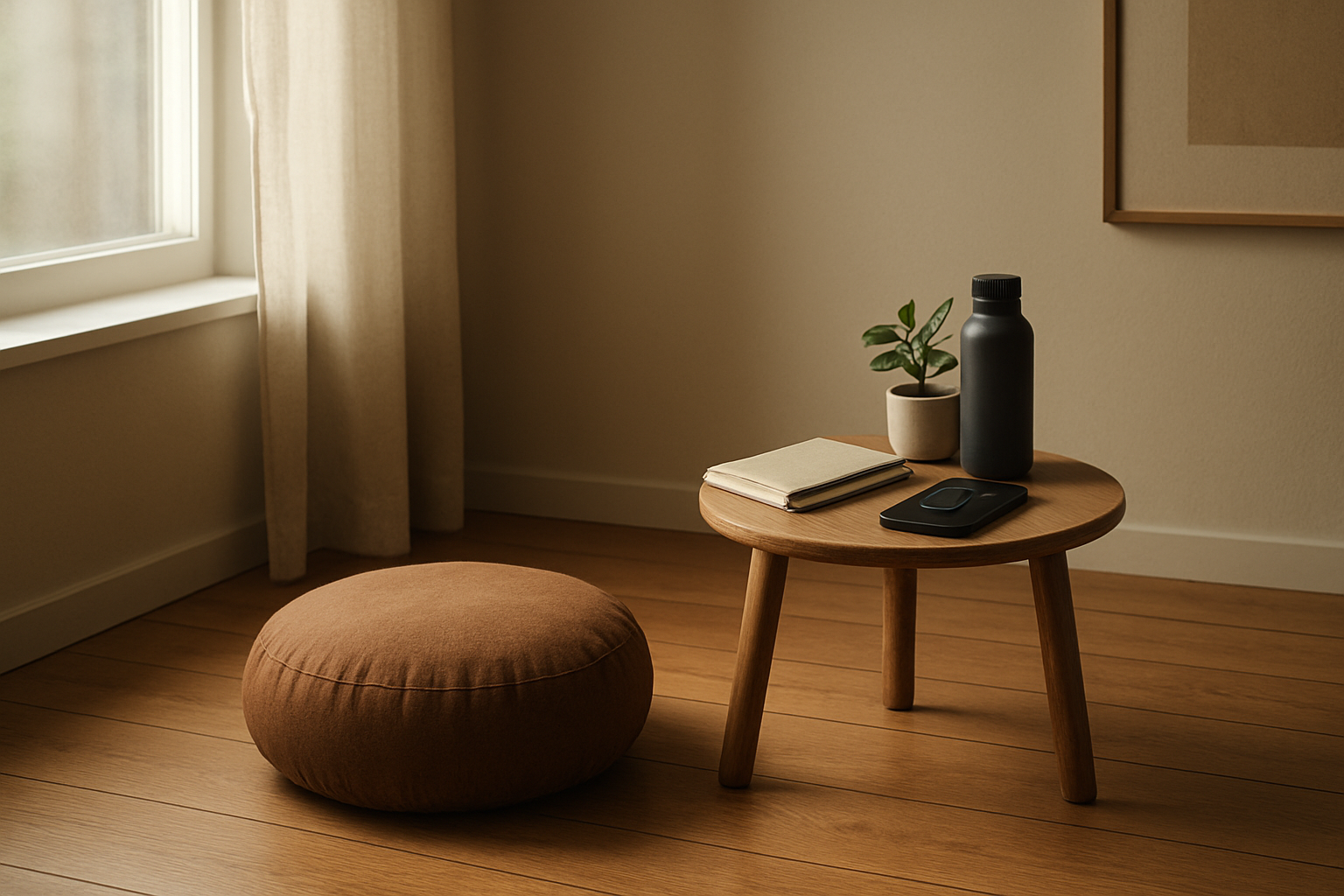
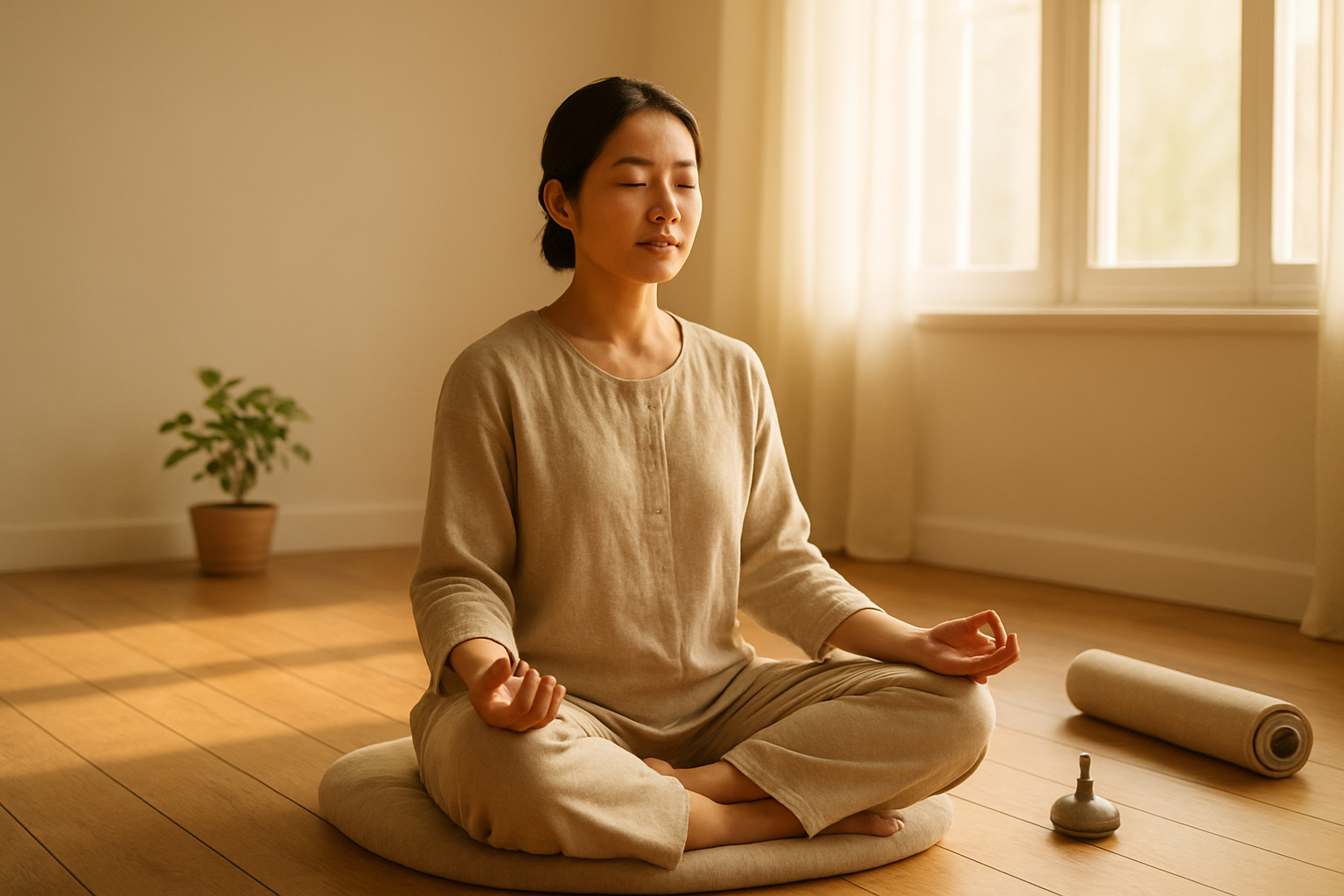
Creating a dedicated meditation space signals to your brain that it’s time to focus and relax. Start with the basics: choose a clean, uncluttered area that feels peaceful to you. This doesn’t need to be elaborate or expensive. A simple corner with a cushion or chair works perfectly for meditation for beginners.
Remove visual distractions like electronics, paperwork, or anything that might pull your attention away. Some people find that adding meaningful objects enhances their practice – perhaps a small plant, a candle, or a photo that brings you peace. Keep decorations minimal and intentional.
Lighting plays a huge role in setting the right mood. Soft, warm light helps create a calming atmosphere. If you’re meditating during daylight hours, natural light streaming through a window can be beautiful. For evening sessions, consider using candles or a small lamp instead of harsh overhead lighting.
Storage solutions help keep your meditation space organized. A small basket or drawer nearby can hold any props you use, like cushions, blankets, or meditation apps on your phone. Having everything within reach means you won’t need to get up and break your focus once you’ve settled in.
Select comfortable posture options
Your posture during meditation directly impacts your ability to stay focused and comfortable throughout your session. The goal is finding a position that keeps you alert while allowing your body to relax. Don’t worry about achieving the perfect lotus pose you see in magazines – comfort and sustainability matter more than looking like a meditation expert.
Sitting positions that work well:
- Chair sitting: Perfect for beginners or anyone with mobility concerns. Sit with your feet flat on the floor, back straight but not rigid, hands resting on your thighs
- Cushion on floor: Use a meditation cushion or firm pillow to elevate your hips slightly above your knees. Cross your legs in whatever way feels natural
- Bench or stool: A meditation bench supports proper spine alignment while keeping you grounded
- Against a wall: If back support helps you stay comfortable, lean against a wall while maintaining good posture
Hand and arm placement options:
| Position | Description | Benefits |
|---|---|---|
| Hands on knees | Palms facing up or down | Simple and natural |
| Mudra positions | Specific finger arrangements | Traditional and focused |
| Hands in lap | One hand resting on the other | Relaxed and comfortable |
Remember that your meditation techniques should support your comfort, not cause pain or distraction. If you experience numbness, tingling, or discomfort, adjust your position immediately. Many beginners worry about moving during meditation, but gentle adjustments are completely normal and acceptable.
Start with shorter sessions when trying new postures. Your body needs time to build the strength and flexibility required for longer periods of stillness. What feels comfortable for five minutes might become uncomfortable after fifteen minutes, and that’s perfectly normal as you develop your daily meditation routine.
Essential Meditation Techniques for Beginners
Master Basic Breathing Exercises
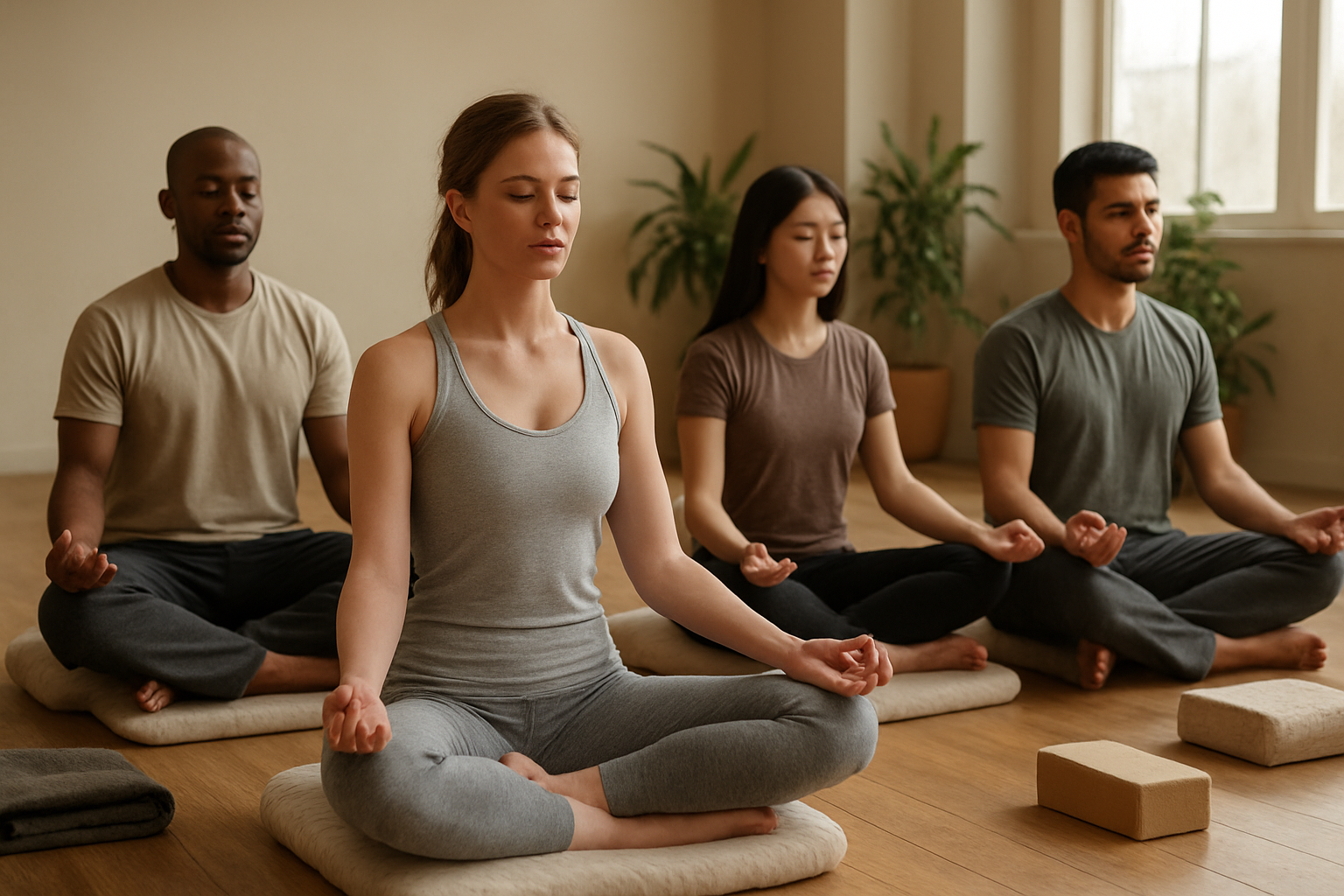
Breathing exercises form the foundation of all meditation techniques for beginners. These simple yet powerful practices help calm your mind and anchor your attention in the present moment.
4-7-8 Breathing Technique: Start by exhaling completely through your mouth. Close your mouth and inhale through your nose for 4 counts, hold your breath for 7 counts, then exhale through your mouth for 8 counts. This pattern activates your parasympathetic nervous system, creating deep relaxation.
Box Breathing: Imagine drawing a square with your breath. Inhale for 4 counts, hold for 4, exhale for 4, and hold empty for 4. This technique helps balance your nervous system and works especially well when you’re feeling anxious or overwhelmed.
Natural Breath Awareness: Simply observe your breath without changing it. Notice the sensation of air entering and leaving your nostrils. When your mind wanders, gently return attention to your breath. This foundational practice builds concentration and mindfulness skills essential for other meditation techniques.
Practice Body Scan Meditation
Body scan meditation teaches you to systematically relax different parts of your body while developing awareness of physical sensations. This beginner-friendly technique reduces stress and helps you recognize tension you might not notice during daily life.
Step-by-Step Process: Lie down comfortably and close your eyes. Start at the top of your head and slowly move your attention down through your body. Spend 30-60 seconds focusing on each area: forehead, eyes, jaw, neck, shoulders, arms, chest, abdomen, hips, thighs, knees, calves, and feet.
What to Notice: Pay attention to warmth, coolness, tingling, tension, or relaxation in each body part. Don’t judge these sensations as good or bad – simply observe them with curiosity. If you notice tension, imagine breathing into that area and letting it soften.
Common Benefits: Regular body scan practice improves sleep quality, reduces chronic pain, and increases body awareness. Many beginners find this technique easier than breath-focused meditation because it gives the mind something specific to do.
Learn Visualization Techniques
Visualization meditation uses mental imagery to promote relaxation and positive mental states. These techniques tap into your imagination to create calming or energizing experiences.
Peaceful Place Visualization: Picture a location where you feel completely safe and relaxed – perhaps a beach, forest, or cozy room. Engage all your senses by imagining what you see, hear, smell, and feel in this place. The more vivid your visualization, the more effective it becomes.
Light Meditation: Visualize a warm, golden light entering the top of your head and slowly filling your entire body. Imagine this light dissolving any tension or negative emotions. You can also visualize sending this healing light to others who need support.
Color Breathing: Assign different colors to various qualities you want to cultivate. Breathe in blue for peace, green for healing, or pink for love. Exhale gray or black to release stress and negativity. This technique combines breath awareness with visualization for deeper impact.
Develop Loving-Kindness Meditation
Loving-kindness meditation cultivates compassion and positive emotions toward yourself and others. This practice counteracts negative self-talk and helps build emotional resilience.
Traditional Phrases: Begin by sending kind wishes to yourself: “May I be happy. May I be healthy. May I be at peace. May I be free from suffering.” Repeat these phrases while genuinely wishing yourself well.
Expanding Your Circle: After working with yourself for several minutes, extend these wishes to loved ones, neutral people (like cashiers or neighbors), difficult people in your life, and finally all living beings everywhere.
Practical Applications: Start with just 5-10 minutes daily. If you struggle with self-compassion, imagine sending loving-kindness to a beloved pet or child first, then gradually include yourself. This daily meditation routine helps rewire your brain for greater empathy and emotional well-being.
Overcoming Resistance: Some people find loving-kindness meditation challenging initially. If the traditional phrases feel forced, try alternatives like “May you find joy today” or simply visualize sending warm, caring energy to each person.
Overcoming Common Meditation Challenges
Handle Wandering Thoughts Effectively
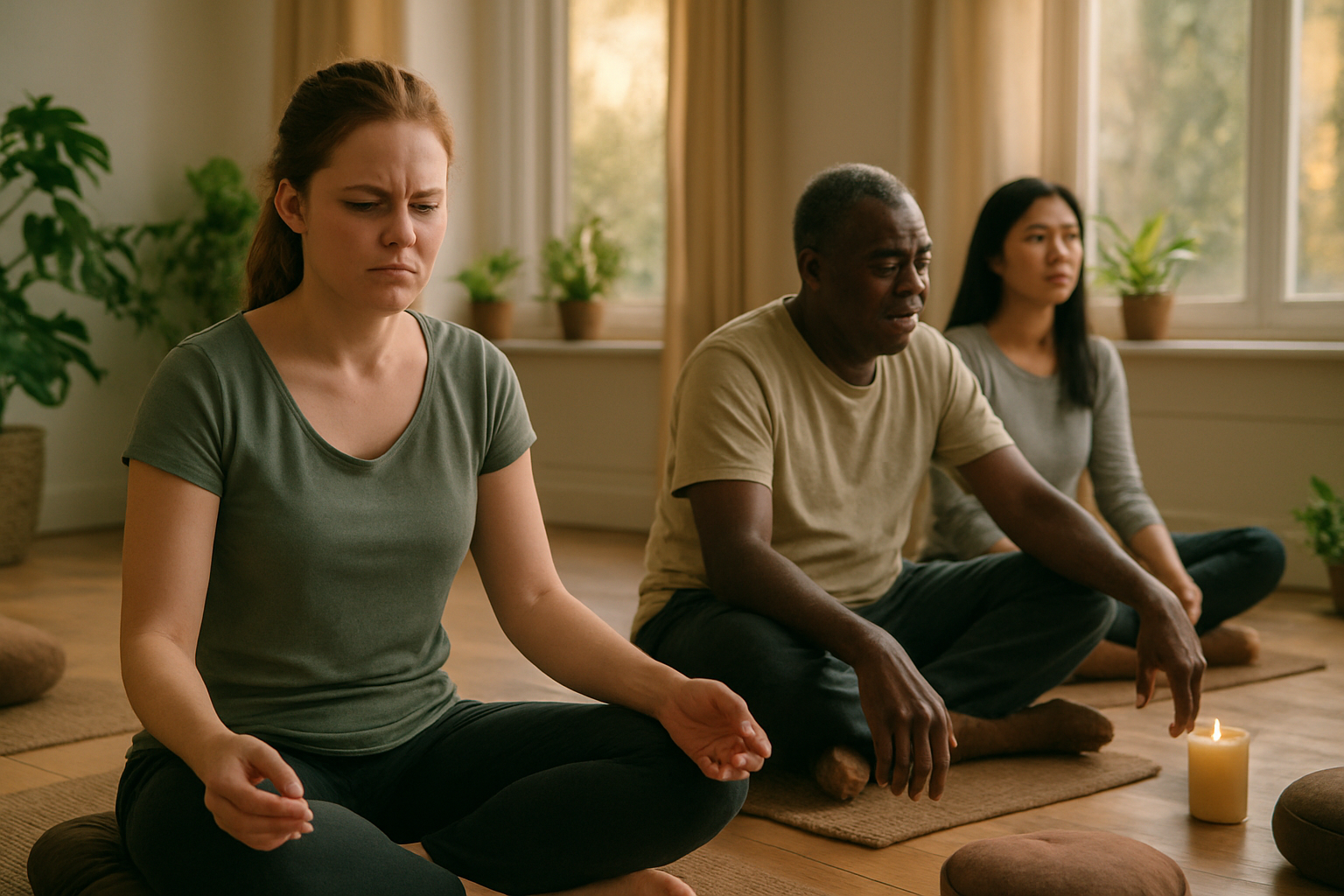
Your mind will wander during meditation – that’s completely normal and expected. When you notice your thoughts drifting to your grocery list, work stress, or weekend plans, simply acknowledge them without judgment and gently redirect your attention back to your breath or chosen focus point.
Think of wandering thoughts like clouds passing through the sky. You don’t need to fight them or feel frustrated when they appear. Instead, observe them with curiosity and let them move along naturally. This gentle redirection actually strengthens your mental focus over time, similar to how lifting weights builds physical muscle.
Practical strategies for managing wandering thoughts:
- Label thoughts as “thinking” when you notice them arising
- Use counting techniques (count breaths from 1 to 10, then repeat)
- Try visualization – imagine placing thoughts in bubbles that float away
- Practice the “RAIN” method: Recognize, Allow, Investigate, Non-attachment
Remember that catching your mind wandering is actually a meditation success, not a failure. Each time you notice and redirect your attention, you’re developing greater mindfulness and concentration skills.
Deal with Physical Discomfort
Physical discomfort during meditation for beginners is incredibly common. Your legs might fall asleep, your back may ache, or you might feel restless. These sensations don’t mean you’re doing anything wrong – your body is simply adjusting to sitting still for extended periods.
Start with shorter sessions (5-10 minutes) and gradually increase duration as your body adapts. Choose a comfortable position that allows you to remain alert but relaxed. You can sit in a chair with your feet flat on the floor, use cushions for support, or even try walking meditation if sitting feels too challenging.
Common comfort solutions:
| Discomfort | Solution |
|---|---|
| Lower back pain | Use a cushion or chair with back support |
| Leg numbness | Sit on a cushion or try different leg positions |
| Neck tension | Keep chin slightly tucked, shoulders relaxed |
| General restlessness | Start with 5-minute sessions, gradually increase |
Don’t ignore severe pain – adjust your position or take a break if needed. The goal is sustainable practice, not enduring unnecessary discomfort.
Maintain Consistency in Practice
Building a daily meditation routine requires patience and realistic planning. Many beginners start with ambitious goals like hour-long sessions, then quickly burn out. Instead, commit to just 5-10 minutes daily at the same time each day.
Link your meditation practice to an existing habit – meditate right after your morning coffee or before brushing your teeth at night. This creates a natural trigger that makes consistency easier to maintain.
Tips for building meditation consistency:
- Set a specific time each day for practice
- Create a dedicated meditation space, even if it’s just a corner of your room
- Use meditation apps with streak counters for motivation
- Find an accountability partner or join a meditation group
- Track your practice in a journal to see progress over time
Missing a day doesn’t ruin your progress. Simply return to your practice the next day without self-criticism. Consistency beats perfection every time.
Manage Unrealistic Expectations
Many meditation techniques are marketed with promises of instant calm and immediate life transformation. While meditation benefits are real and scientifically proven, they develop gradually through regular practice. Expecting to achieve monk-like serenity after a week will only lead to disappointment.
Some days your meditation will feel peaceful and centered, while others might feel chaotic and scattered. Both experiences are valuable parts of your meditation journey. Your practice is working even when it doesn’t feel pleasant or transformative.
Realistic meditation expectations:
- Weeks 1-2: Learning to sit still, noticing wandering thoughts
- Month 1: Developing basic concentration, reduced session anxiety
- Months 2-3: Increased awareness of mental patterns, occasional deeper states
- Months 4-6: Greater emotional regulation, improved stress response
- Long-term: Enhanced well-being, better sleep, increased focus
Focus on the process rather than specific outcomes. Each session builds your mindfulness skills, regardless of how it feels in the moment. Celebrate small victories like remembering to practice daily or noticing when your mind wanders more quickly.
Building a Sustainable Daily Meditation Routine
Start with realistic time commitments
The biggest mistake new meditators make is setting ambitious goals that crash and burn within a week. Starting with just 5 minutes daily creates a foundation you can actually stick with. Your brain needs time to adapt to this new habit, and pushing yourself to meditate for 30 minutes right away often leads to frustration and abandonment.
Begin with what feels manageable in your current life situation. If you can only spare 3 minutes between your morning coffee and commute, that’s perfect. The consistency matters far more than duration when you’re building a daily meditation routine. Many meditation for beginners programs recommend starting with micro-sessions because they fit seamlessly into existing schedules.
After two weeks of consistent 5-minute sessions, you can gradually increase by 2-3 minutes. This progressive approach helps your mind and body adjust naturally. Some days you might feel like meditating longer, and that’s fine, but don’t make it your new standard until you’re ready. The goal is creating a sustainable practice, not winning any meditation marathons.
Track your progress and improvements
Keeping track of your meditation journey helps you stay motivated and notice subtle changes you might otherwise miss. Create a simple log noting the date, duration, and meditation techniques you practiced. Add brief notes about your mood before and after each session.
| Week | Sessions Completed | Average Duration | Notable Changes |
|---|---|---|---|
| 1 | 5/7 | 5 minutes | Less morning anxiety |
| 2 | 6/7 | 7 minutes | Better sleep quality |
| 3 | 7/7 | 10 minutes | Improved focus at work |
Apps like Insight Timer or Headspace automatically track your meditation statistics, but a simple notebook works just as well. The key is documenting both your practice consistency and any meditation benefits you experience. Notice improvements in sleep quality, stress levels, emotional reactions, or concentration. These concrete observations reinforce why you’re making time for meditation.
Don’t get discouraged by missed days or restless sessions. Every meditation counts, even the challenging ones where your mind feels scattered. Progress isn’t always linear, and tracking helps you see the bigger picture over weeks and months.
Integrate meditation into busy schedules
Busy schedules don’t eliminate meditation opportunities—they just require creative integration. Look for existing transition moments in your day where you can slip in mindfulness meditation. The five minutes before your morning shower, during lunch break, or while waiting for your coffee to brew all work perfectly.
Link meditation to established habits for automatic integration. Meditate right after brushing your teeth, before checking emails, or immediately after arriving at work. This habit-stacking approach makes meditation feel like a natural part of your routine rather than another task competing for time.
Transform dead time into meditation opportunities. Those moments stuck in traffic, waiting in line, or riding public transport can become mini-meditation sessions. Even 2-3 minutes of focused breathing counts toward your practice. Beginner meditation tips often emphasize that meditation doesn’t require perfect silence or a special cushion—just your attention and breath.
Consider splitting your practice into smaller chunks if finding one uninterrupted block feels impossible. Five minutes in the morning and five minutes before bed still creates a consistent daily meditation routine. The flexibility prevents perfectionism from derailing your progress and helps meditation adapt to your life’s natural rhythms.
Meditation really isn’t as complicated as many people think. You’ve learned about the different types of practices available, from mindfulness to loving-kindness meditation, and discovered the amazing benefits your body and mind can experience with regular practice. The science backs up what practitioners have known for centuries – meditation can reduce stress, improve focus, boost emotional well-being, and even strengthen your immune system.
The best part? You don’t need fancy equipment, expensive classes, or hours of free time to get started. Even five minutes a day can make a real difference in how you feel and handle life’s ups and downs. Start small, be patient with yourself when your mind wanders, and remember that every moment of practice counts. Your meditation journey is uniquely yours, so find what works for you and stick with it. Your future self will thank you for taking this first step toward a calmer, more centered life.