
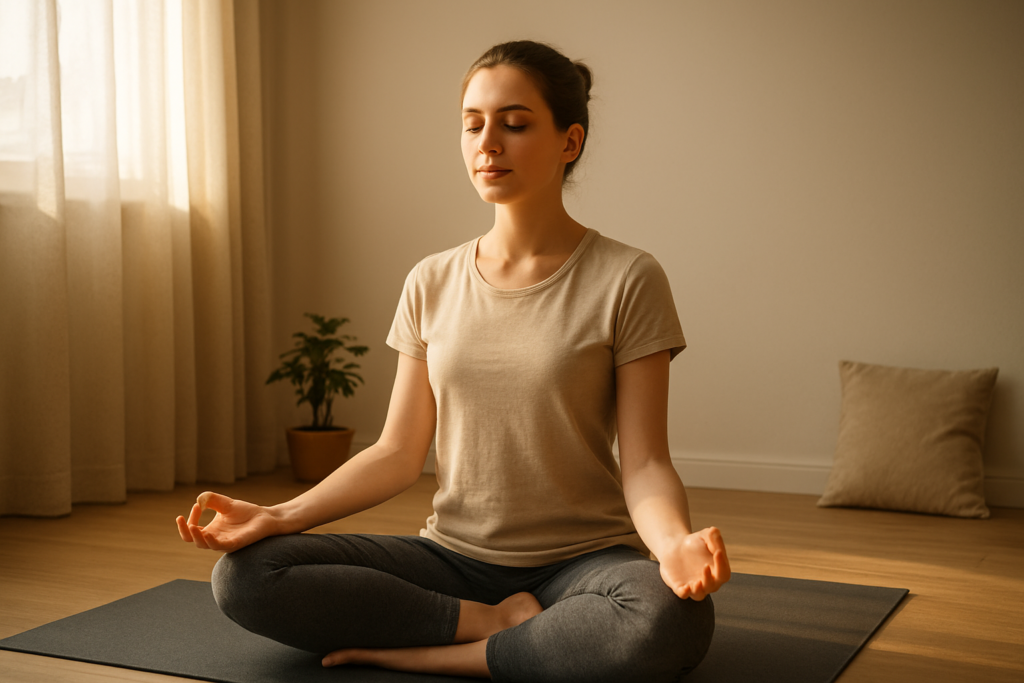
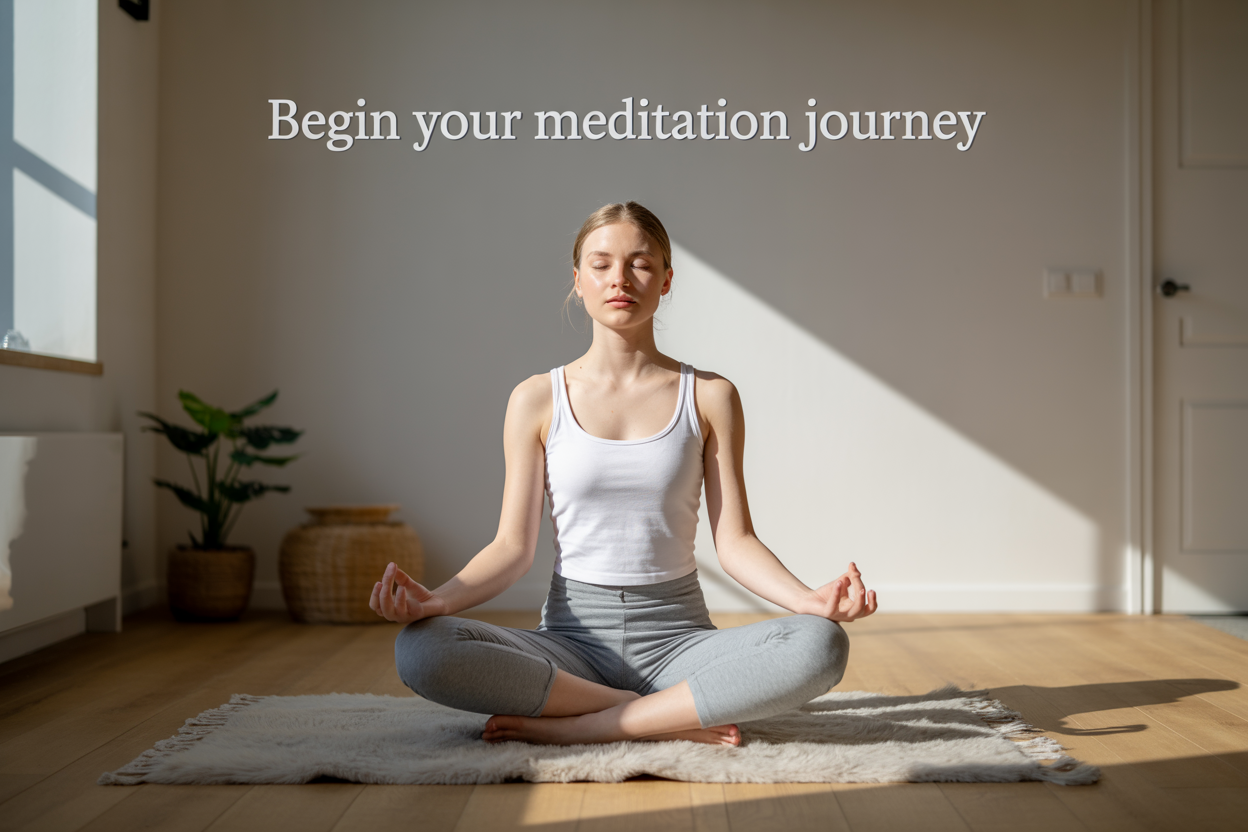
Starting your meditation journey can feel overwhelming, but it doesn’t have to be. If you’re someone who’s never meditated before or has tried a few times without success, this guide breaks down everything you need to know about how to meditate for beginners.
Many people think meditation requires hours of silent sitting or complete mind control. The truth is much simpler. Meditation for first time practitioners is about learning to notice your thoughts and gently returning attention to your breath. It’s normal for your mind to wander – that’s actually part of the practice, not a failure.
This guide covers the essential meditation steps for beginners to help you build confidence from day one. You’ll learn what meditation actually is and why it’s worth adding to your routine. We’ll walk through your first meditation session step-by-step, including practical tips for handling common challenges like restlessness and wandering thoughts. You’ll also discover beginner-friendly techniques and simple strategies for building a sustainable daily meditation practice that fits your lifestyle.
Understanding What Meditation Really Is
Simple Definition of Meditation Practice
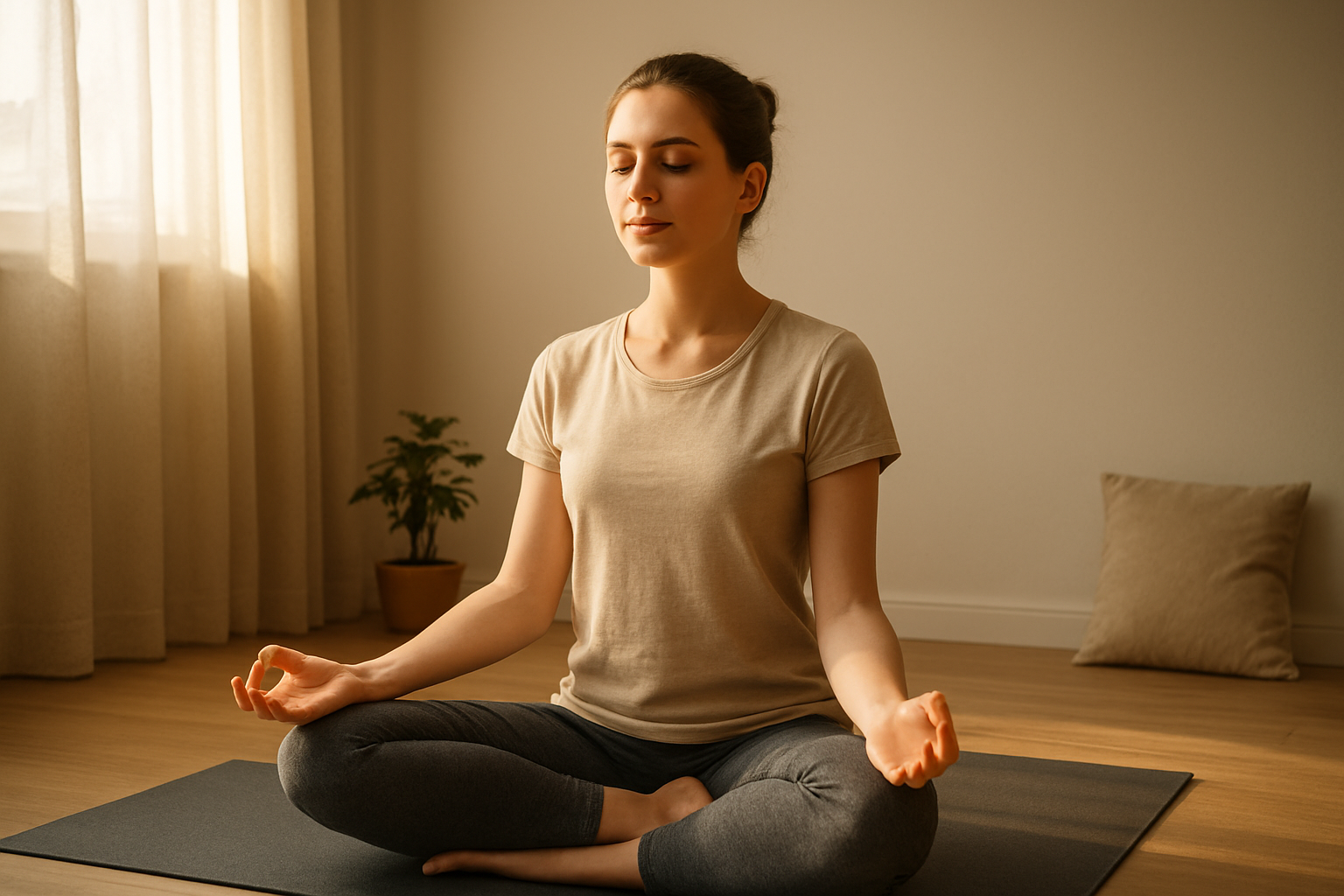
Meditation for beginners is fundamentally a practice that involves focusing your attention, often through the breath, to cultivate mindfulness, calm, and clarity. This beginner meditation technique trains the mind to concentrate and redirect thoughts, using the breath as an anchor while learning to notice when the mind naturally wanders.
Common Misconceptions About Clearing the Mind
A prevalent misconception about how to meditate for first time practitioners is that meditation magically clears your mind or stops all thoughts completely. This isn’t the goal, as our brains are essentially thought factories that continuously generate mental activity.
The True Goal of Mindful Awareness
The true objective of starting meditation practice is learning to notice thoughts without getting caught up in them or judging them harshly. This process builds the essential muscles of attention and mindfulness, helping you return to the present moment without judgment while fostering healthier relationships with yourself and others through understanding how your mind works.
Why You Should Start Meditating Today
Stress Reduction and Mental Calm
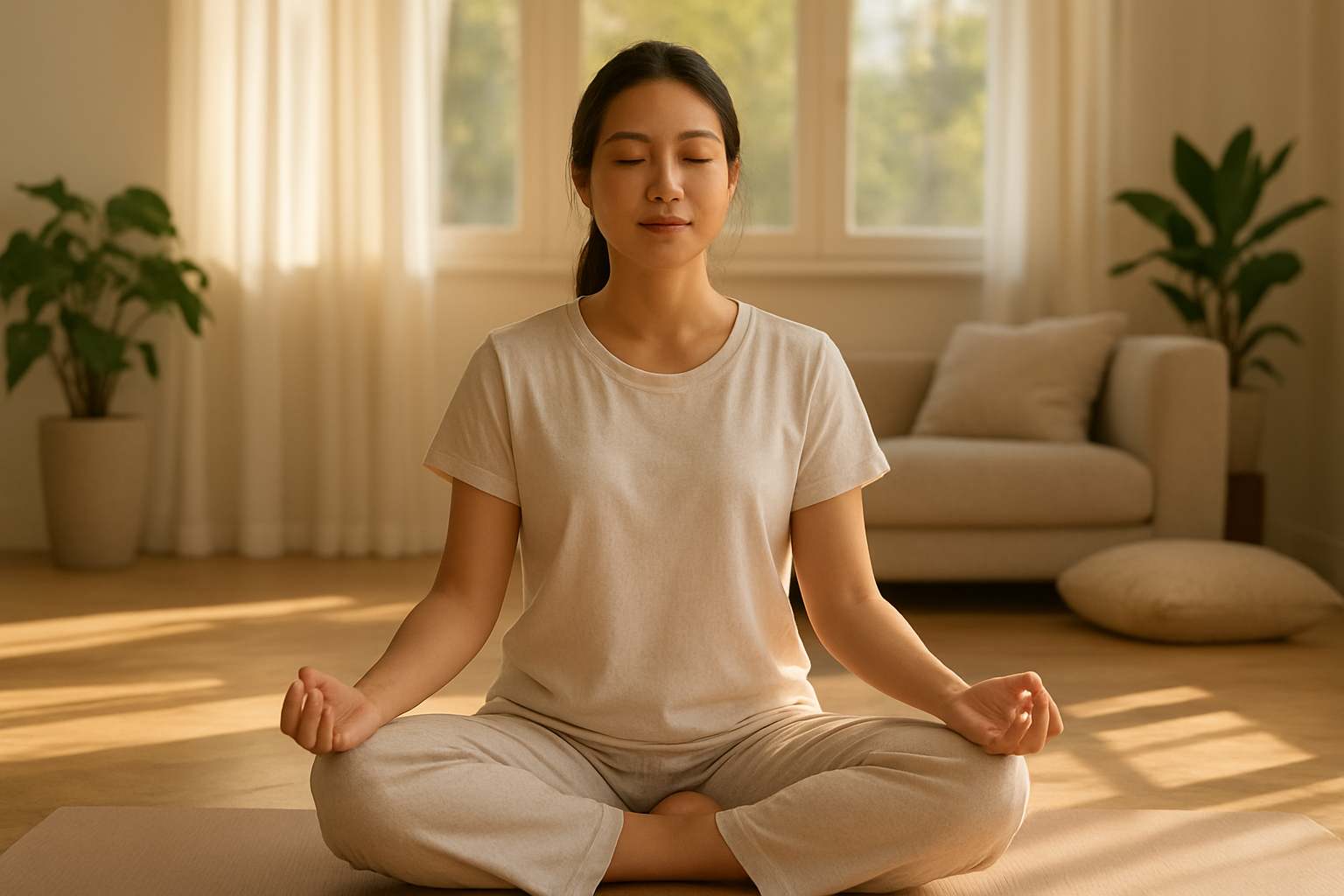
Meditation significantly reduces stress levels, helping you feel calmer and more relaxed throughout your day. This powerful practice can quiet mental clutter, creating space for a clearer, more peaceful mind that better handles life’s daily pressures.
Improved Focus and Attention
Regular meditation training enhances your ability to concentrate and stay productive. Research indicates that just 12 minutes of meditation, practiced 5 days a week, can protect and strengthen your ability to pay attention, making it an ideal meditation guide for beginners.
Better Emotional Health and Self-Awareness
Meditation boosts emotional health while deepening self-awareness, fostering a more positive and balanced mindset. This practice leads to greater insight into your thoughts, emotions, and behaviors, increasing psychological flexibility and freedom in how you respond to situations.
Enhanced Sleep Quality and Physical Benefits
Beyond mental benefits, meditation enhances sleep quality by relaxing both mind and body before rest. Additionally, regular practice strengthens the immune system and builds mental resilience, helping you cope more effectively with challenges and setbacks.
Your First Meditation Session Step-by-Step
Finding a Comfortable Quiet Space
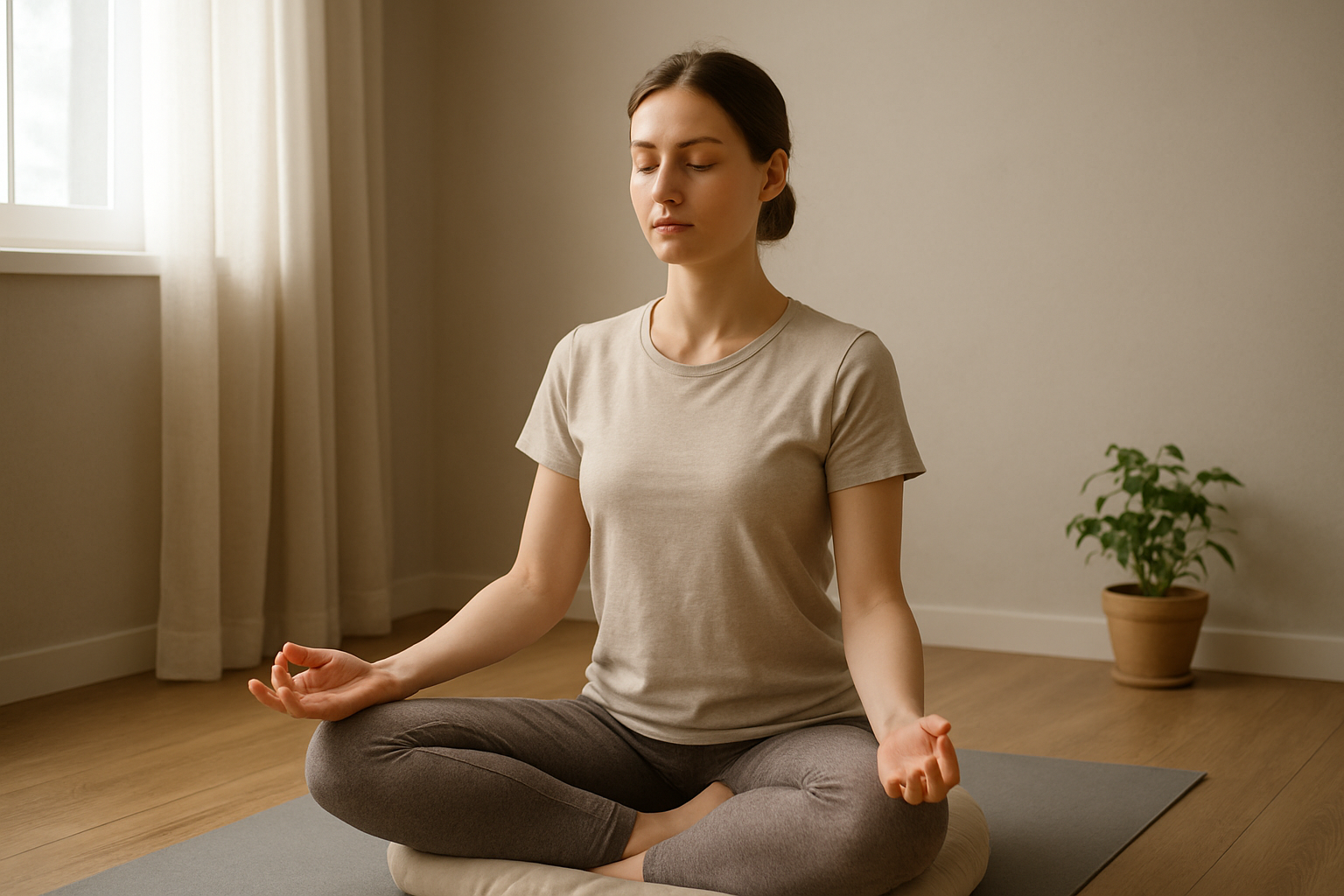
Begin your meditation journey by finding a quiet, comfortable place to sit that feels calm to you. This space doesn’t need to be perfect or completely silent – just somewhere you can sit undisturbed for a few minutes. The key is choosing a location where you feel relaxed and can focus on your meditation practice without major distractions.
Setting a Short Time Limit for Beginners
For beginners starting their meditation practice, it’s helpful to set a short time limit to avoid feeling overwhelmed. Start with just 5-10 minutes per session, or even begin with just two minutes a day for a week. This approach makes meditation for first time practitioners much more manageable and helps build confidence. As you become more comfortable with these beginner meditation tips, you can gradually extend your sessions.
Proper Sitting Position and Body Awareness
Sit in a stable position you can maintain for a while, whether in a chair with feet on the floor, loosely cross-legged, or kneeling. The most important aspect isn’t achieving a perfect posture, but finding a position that’s comfortable yet alert. Take a moment to check in with how your body feels, noticing any areas of tension or discomfort and making gentle adjustments as needed.
Focusing on Your Natural Breath
Focus on your natural breath without trying to change or control it in any way. Notice where you feel your breath most prominently – this might be in your belly as it rises and falls, or in your nose as air flows in and out. Simply follow the sensation of your inhale and exhale, using your breath as an anchor for your attention during this foundational meditation practice.
Handling Common Beginner Challenges
What to Do When Your Mind Wanders
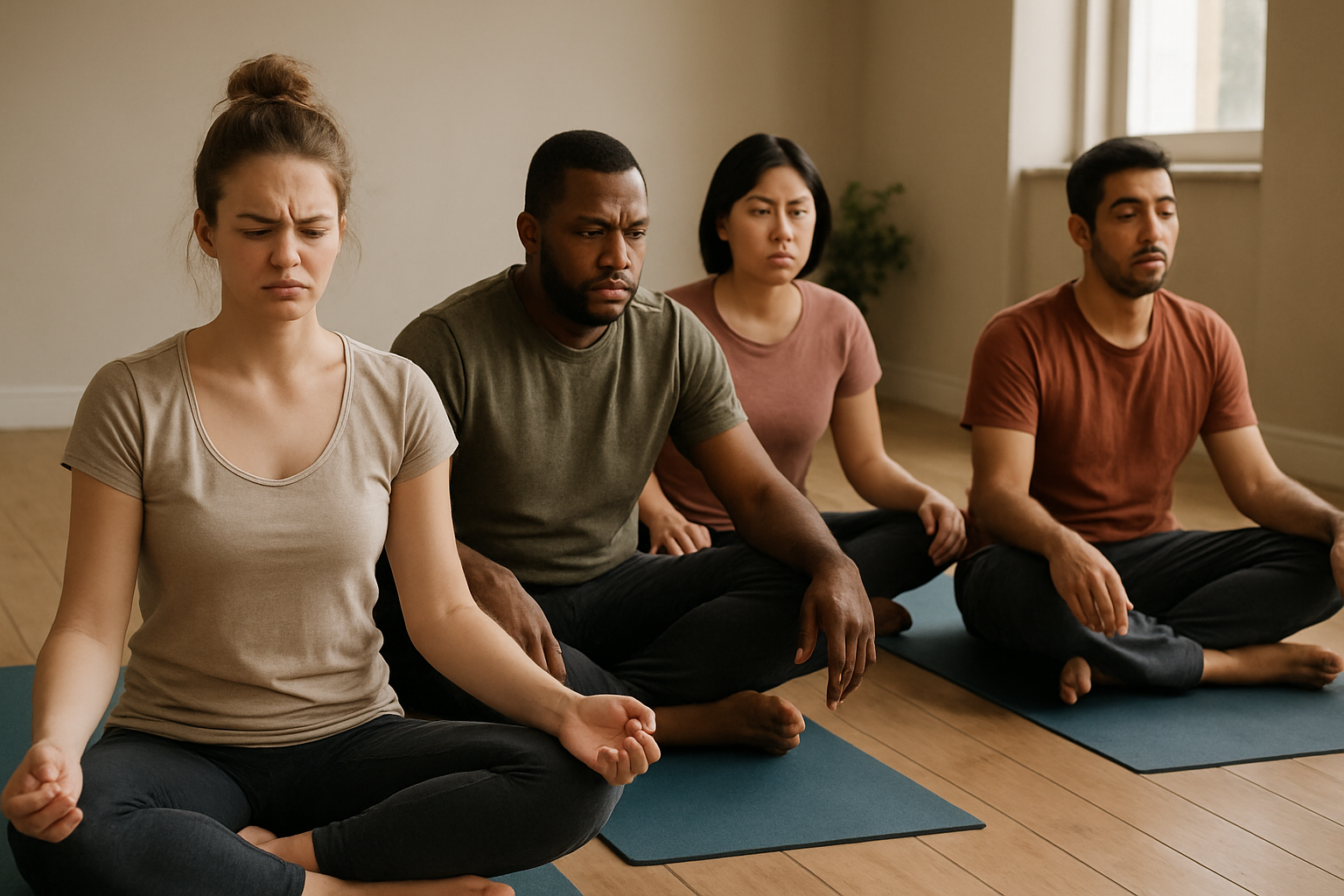
When your mind inevitably wanders during meditation for beginners, the key is to gently return your attention to your breath. This wandering is completely normal and happens to everyone, regardless of experience level. Rather than becoming frustrated, simply acknowledge that your mind has drifted and softly guide your focus back to your breathing pattern.
Developing a Kind Attitude Toward Distracting Thoughts
Developing a kind attitude toward distracting thoughts is essential for beginner meditation tips. Do not judge yourself or obsess over their content when thoughts arise during your meditation practice. Instead of fighting these mental interruptions, treat them with compassion and gently guide your focus back to your chosen meditation anchor, whether that’s your breath, a mantra, or body sensations.
Letting Go of Perfectionism and Self-Judgment
Let go of perfectionism and self-judgment as you start your meditation practice. Understanding that there is no “perfect” meditation session will help you approach this daily meditation practice with realistic expectations. Every meditation experience is different, and the goal isn’t to achieve a completely quiet mind but rather to develop awareness and acceptance of whatever arises during your practice.
Essential Meditation Techniques for Beginners
Basic Breath Counting Method
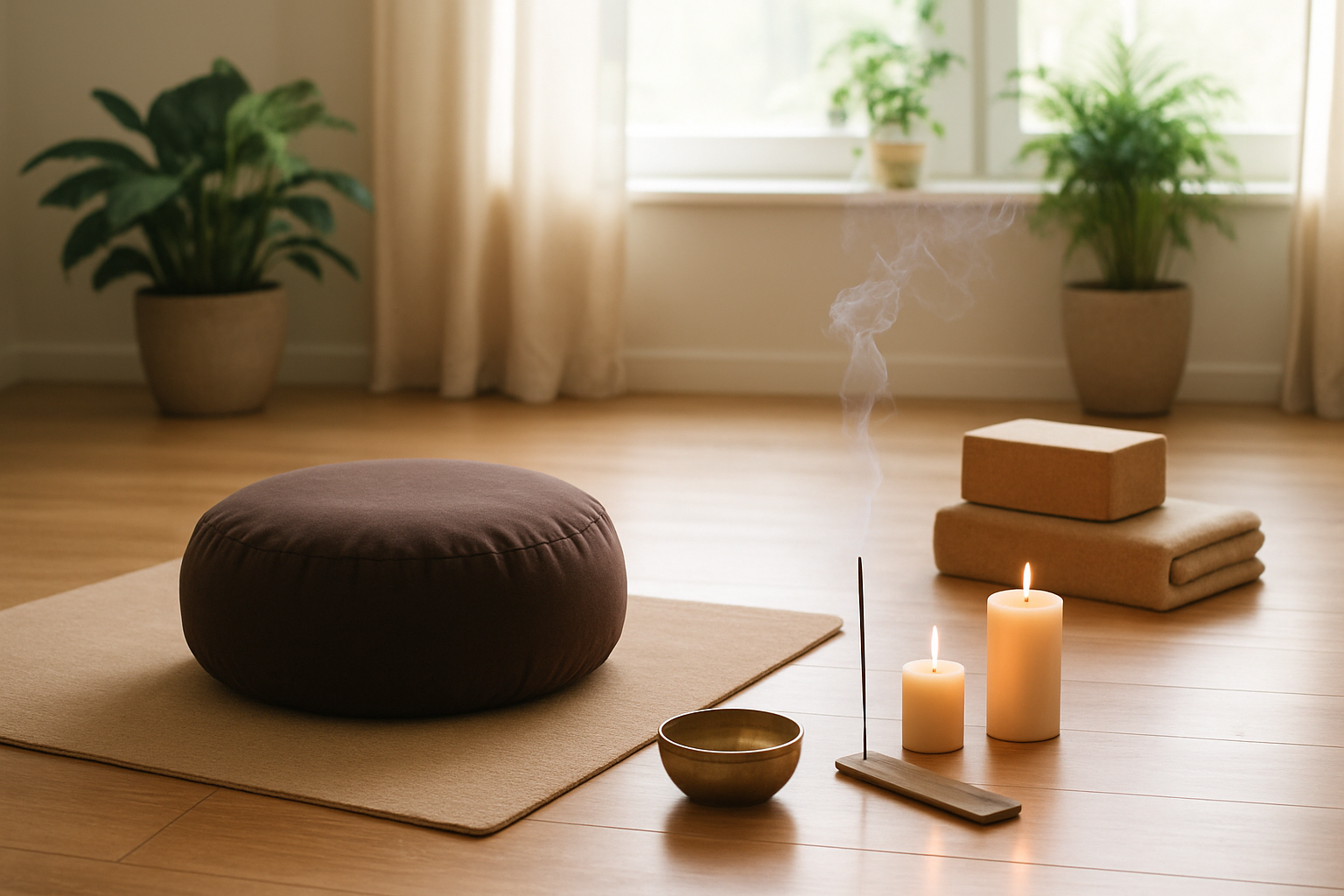
The breath counting method serves as one of the most accessible meditation techniques for beginners who are learning how to meditate for the first time. Simply find a comfortable seated position, close your eyes, and begin counting each exhale from one to ten, then restart the cycle. When your mind wanders—which it naturally will—gently acknowledge the distraction without judgment and return your focus to counting your breath.
This foundational technique builds concentration while establishing a structured approach to mindfulness meditation basics. The repetitive nature of counting provides an anchor for your attention, making it an ideal beginner meditation tip for those seeking easy meditation techniques to incorporate into their daily meditation practice.
Body Scan Meditation Practice
Walking Meditation for Active Mindfulness
Loving-Kindness Meditation for Emotional Healing
Building a Sustainable Daily Practice
Starting with Just 2 Minutes Per Day
Now that we’ve explored essential meditation techniques for beginners, establishing a sustainable daily meditation practice becomes your next crucial step. Starting with just 2 minutes per day creates an achievable foundation that prevents overwhelm and builds confidence. This micro-habit approach allows your brain to adapt gradually while making meditation feel less intimidating for first-time practitioners.
Choosing the Best Time to Meditate
With this foundation in place, selecting the optimal time for your daily meditation practice ensures consistency. Morning sessions work exceptionally well for beginners as they set a peaceful tone for the day and face fewer scheduling conflicts. However, the best time is ultimately when you can commit regularly, whether that’s during lunch breaks or before bedtime.
Creating Helpful Reminders and Environmental Cues
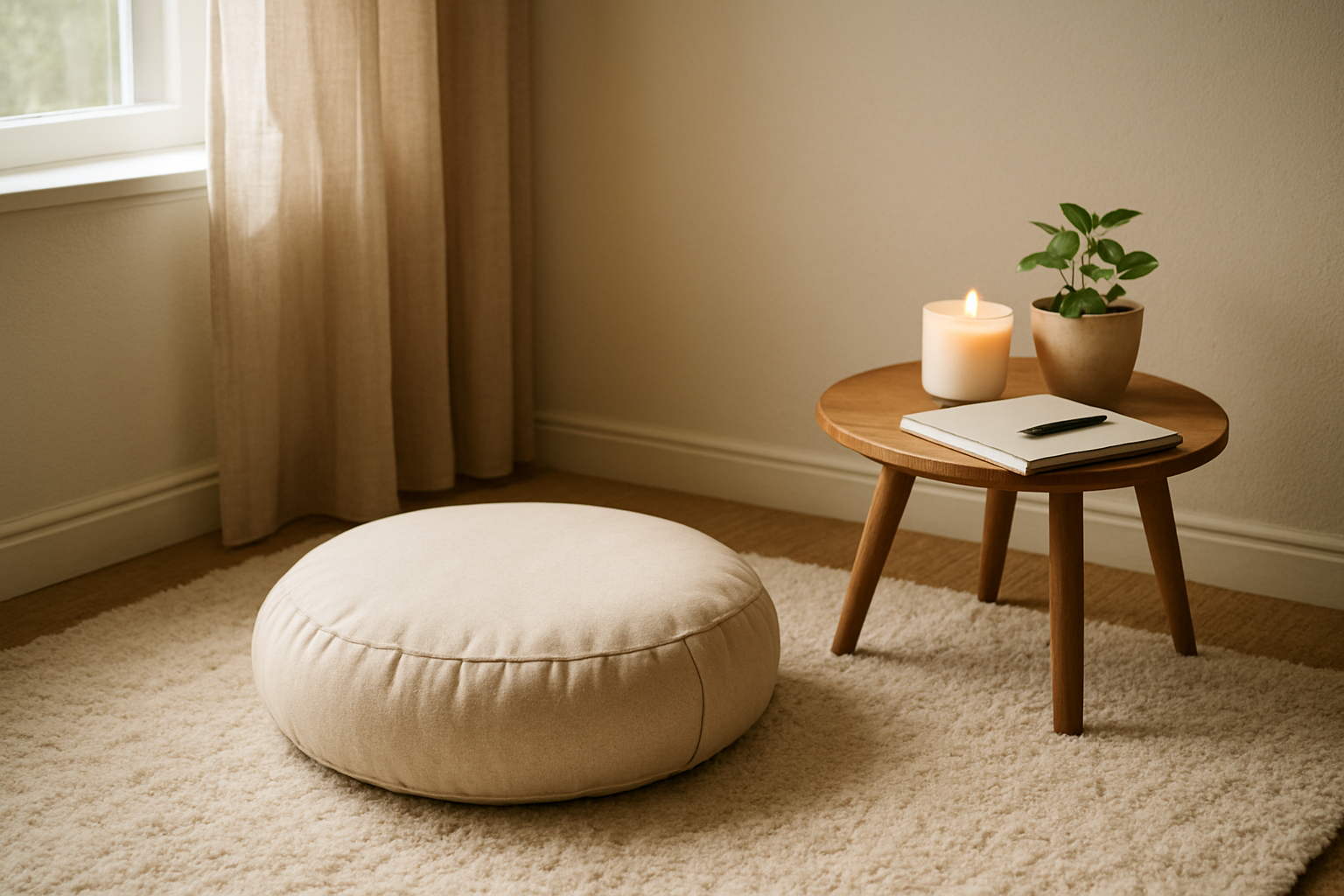
Previously established timing benefits from supportive environmental cues that trigger your meditation habit. Place your meditation cushion in a visible location, set phone reminders, or attach your practice to existing routines like morning coffee. These visual and contextual prompts make starting your daily meditation practice feel automatic rather than requiring constant willpower.
Finding Community Support and Accountability
Building on these individual strategies, connecting with fellow meditation practitioners amplifies your commitment to maintaining a consistent practice. Join local meditation groups, online communities, or find an accountability partner who shares your interest in mindfulness meditation basics. This social support system provides encouragement during challenging days and celebrates your progress as you develop your beginner meditation skills.
Advanced Tips for Continued Growth
Exploring Different Meditation Styles
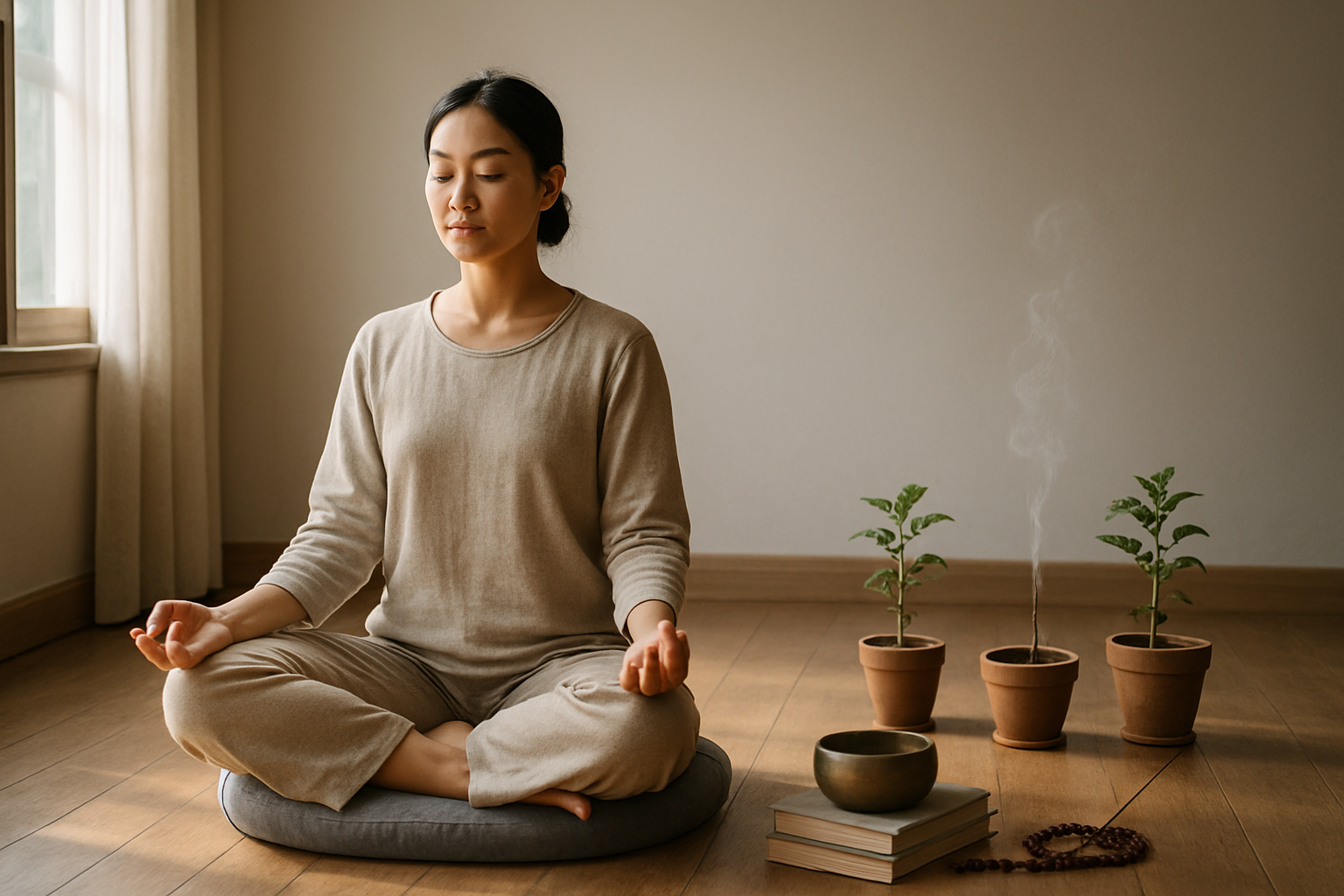
Now that you’ve established a foundation in basic meditation techniques for beginners, exploring various meditation styles can deepen your practice. Different approaches like focused breathing, body scans, and loving-kindness meditation offer unique benefits for your daily meditation practice.
Working with Difficult Emotions and Sensations
As your beginner meditation tips evolve into more advanced practice, you’ll encounter challenging emotions and physical sensations. Rather than avoiding these experiences, learn to observe them with curiosity and acceptance, allowing them to pass naturally without judgment or resistance.
Using Guided Meditations vs Solo Practice
Integrating Mindfulness Throughout Your Day
Answers to Frequently Asked Questions

Dealing with Physical Discomfort During Practice
Physical discomfort during meditation for beginners is completely normal and shouldn’t discourage your practice. Start with shorter sessions and gradually increase duration as your body adapts. Choose a comfortable position that maintains alertness – whether sitting in a chair, on a cushion, or even lying down if necessary. If you experience pain or stiffness, gently adjust your posture or switch positions mindfully.
Managing Distractions from Pets or Environment
Environmental distractions are common meditation challenges beginners face, but they can become part of your mindfulness practice. Create a quiet space when possible, but don’t stress about perfect silence. If pets interrupt or sounds occur, acknowledge them without judgment and gently return focus to your breath. These distractions actually offer opportunities to strengthen your concentration skills.
Optimal Session Length and Practice Frequency
For those learning how to meditate for the first time, start with just 3-5 minutes daily rather than attempting lengthy sessions. Consistency matters more than duration when building a sustainable meditation practice. Gradually increase to 10-15 minutes as you become more comfortable. Daily practice, even if brief, creates better results than occasional longer sessions.
Whether to Use Music or Maintain Silence
Beginner meditation tips often include experimenting with both music and silence to discover your preference. Soft instrumental music or nature sounds can help mask distracting noises and create a calming atmosphere. However, complete silence allows deeper focus on internal awareness. Try both approaches during your early meditation practice to determine what supports your concentration best.
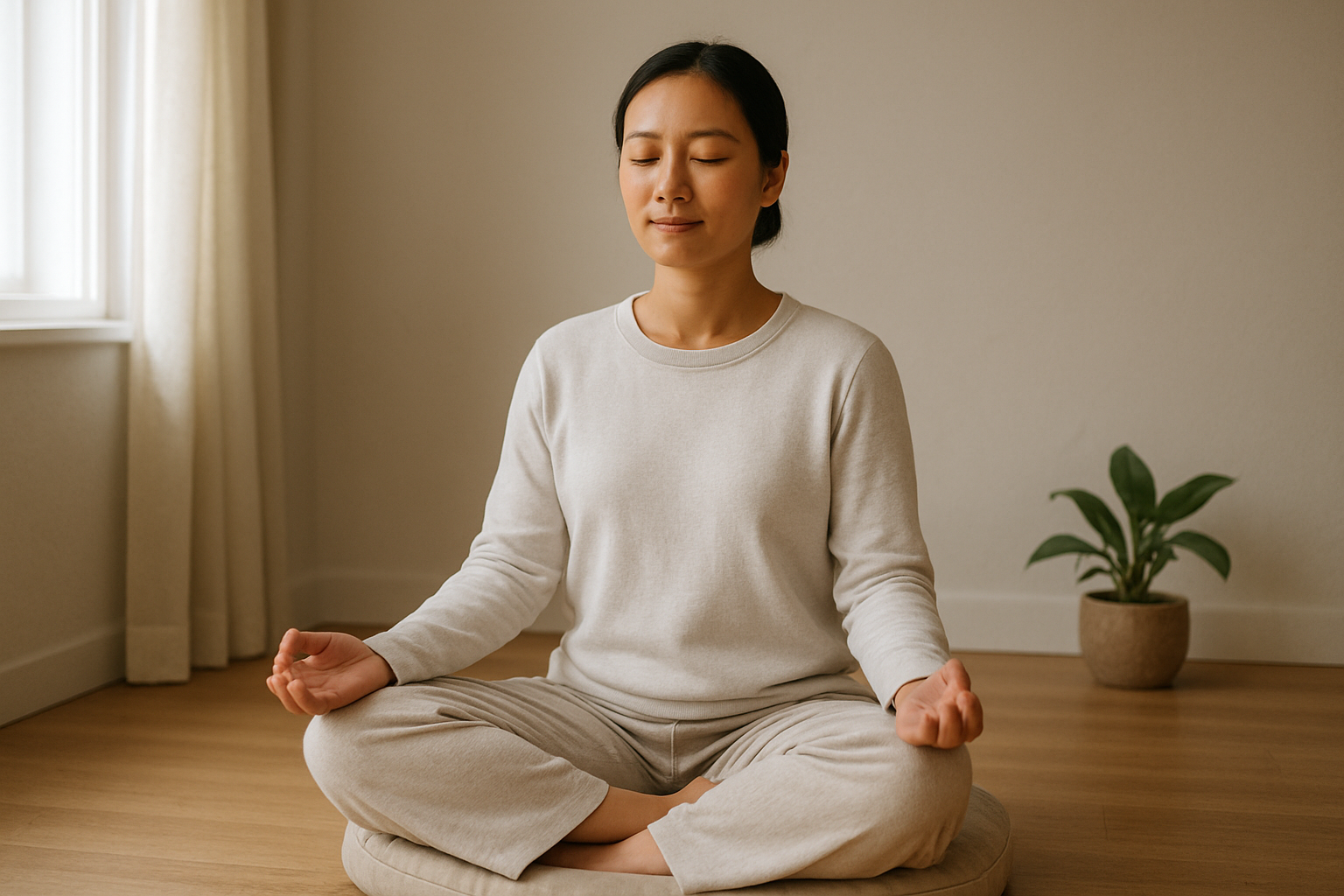
Starting your meditation journey doesn’t require perfect conditions or years of experience. As you’ve learned, meditation is simply about focusing your attention, noticing when your mind wanders, and gently returning to your breath—all with kindness toward yourself. Whether you choose a basic breath meditation, body scan, or walking practice, the key is consistency over perfection. Begin with just two minutes each morning, and remember that every wandering mind is an opportunity to practice, not a sign of failure.
The benefits of regular meditation extend far beyond those few quiet minutes each day. From reduced stress and improved focus to better emotional health and stronger relationships, meditation creates positive ripples throughout your entire life. Commit to showing up for yourself daily, even when it feels challenging. Find a supportive community, use guided meditations when helpful, and celebrate each session as an act of self-care. Your future self will thank you for taking this first step toward a more mindful, peaceful way of living.