
mental health tips for students
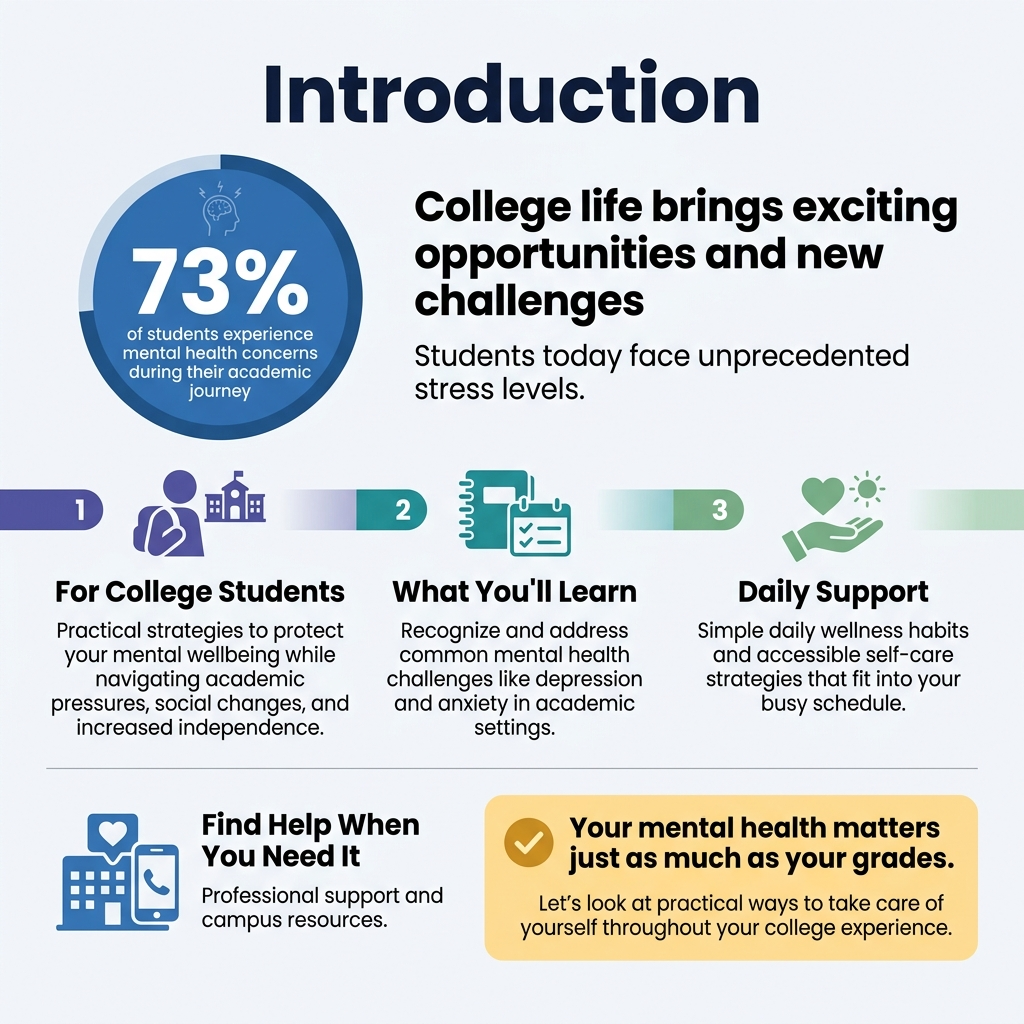
College life brings exciting opportunities and new challenges that can significantly impact your mental health. Students today face unprecedented stress levels, with 73% experiencing mental health concerns during their academic journey.
This guide is designed for college students who want practical strategies to protect their mental wellbeing while navigating academic pressures, social changes, and increased independence. Whether you’re a freshman adjusting to campus life or an upperclassman managing heavy courseloads, these mental health tips can help you build resilience and thrive.
We’ll explore how to recognize and address common mental health challenges like depression and anxiety in academic settings. You’ll also discover simple daily wellness habits and accessible self-care strategies that fit into your busy schedule. Finally, we’ll cover how to find professional support and campus resources when you need additional help.
Your mental health matters just as much as your grades. Let’s look at practical ways to take care of yourself throughout your college experience.
Understanding the Student Mental Health Crisis
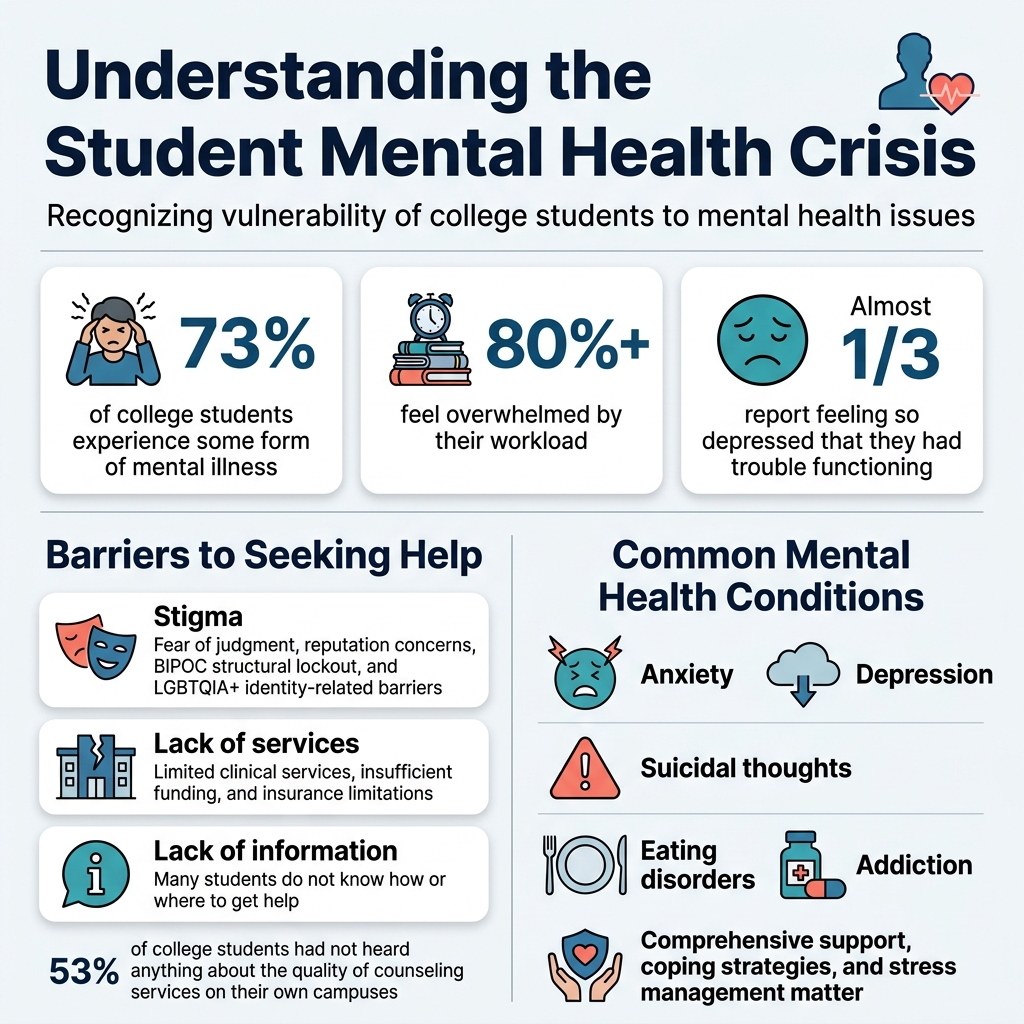
Recognizing vulnerability of college students to mental health issues
College students represent one of the most vulnerable populations when it comes to mental health concerns, with statistics revealing the alarming scope of this crisis. Research indicates that 73% of college students experience some form of mental illness during their academic journey, highlighting the widespread nature of psychological distress within higher education environments.
The academic setting creates unique pressures that significantly impact student well-being. More than 80% of college students feel overwhelmed by their workload, demonstrating how academic demands contribute to deteriorating mental health. This overwhelming stress manifests in severe ways, with almost one-third of college students reporting feeling so depressed that they had trouble functioning in their daily lives.
Breaking down barriers that prevent students from seeking help
Despite the prevalence of mental health challenges, only 25% of students with mental health problems actually seek help, revealing significant barriers that prevent students from accessing necessary support systems. These obstacles fall into three primary categories that impede student access to mental health resources.
Stigma remains the most pervasive barrier, encompassing worry about reputation and fear of judgment from both peers and faculty. This stigma becomes even more pronounced for BIPOC individuals, who face structural lockout of resources and cultural attitudes that discourage help-seeking behaviors. Similarly, LGBTQIA+ students encounter additional complexities as mental health issues often overlap with gender and sexual identity concerns.
Lack of services presents another substantial obstacle, including limited clinical services, insufficient funding, and insurance limitations that restrict student access to quality care. The infrastructure simply cannot meet the demand created by widespread student mental health needs.
Lack of information compounds these problems, with many students possessing minimal knowledge about how and where to get help. Remarkably, 53% of college students had not heard anything about the quality of counseling services available on their own campuses, indicating a critical communication gap between available resources and student awareness.
Identifying common mental health conditions affecting students
Understanding the specific mental health conditions that most frequently affect college students helps in developing targeted coping strategies and support systems. Anxiety stands out as the most common diagnosis among students seeking mental health services, reflecting the high-stress nature of academic environments and the uncertainty that characterizes the college experience.
Depression represents another prevalent condition, often manifesting alongside the overwhelming feelings that many students experience. The transition to college life, academic pressures, and social challenges create perfect conditions for depressive episodes to develop.
More serious concerns include suicidal thoughts, which require immediate attention and professional intervention. Eating disorders also affect significant numbers of students, often developing or worsening during the college years due to lifestyle changes, stress, and social pressures.
Addiction issues frequently emerge or escalate during college, as students may turn to substances as unhealthy coping strategies for managing academic stress and social pressures. These conditions often interconnect, with students experiencing multiple mental health challenges simultaneously, making comprehensive stress management and professional support essential for recovery and academic success.
Managing Depression and Anxiety in Academic Settings
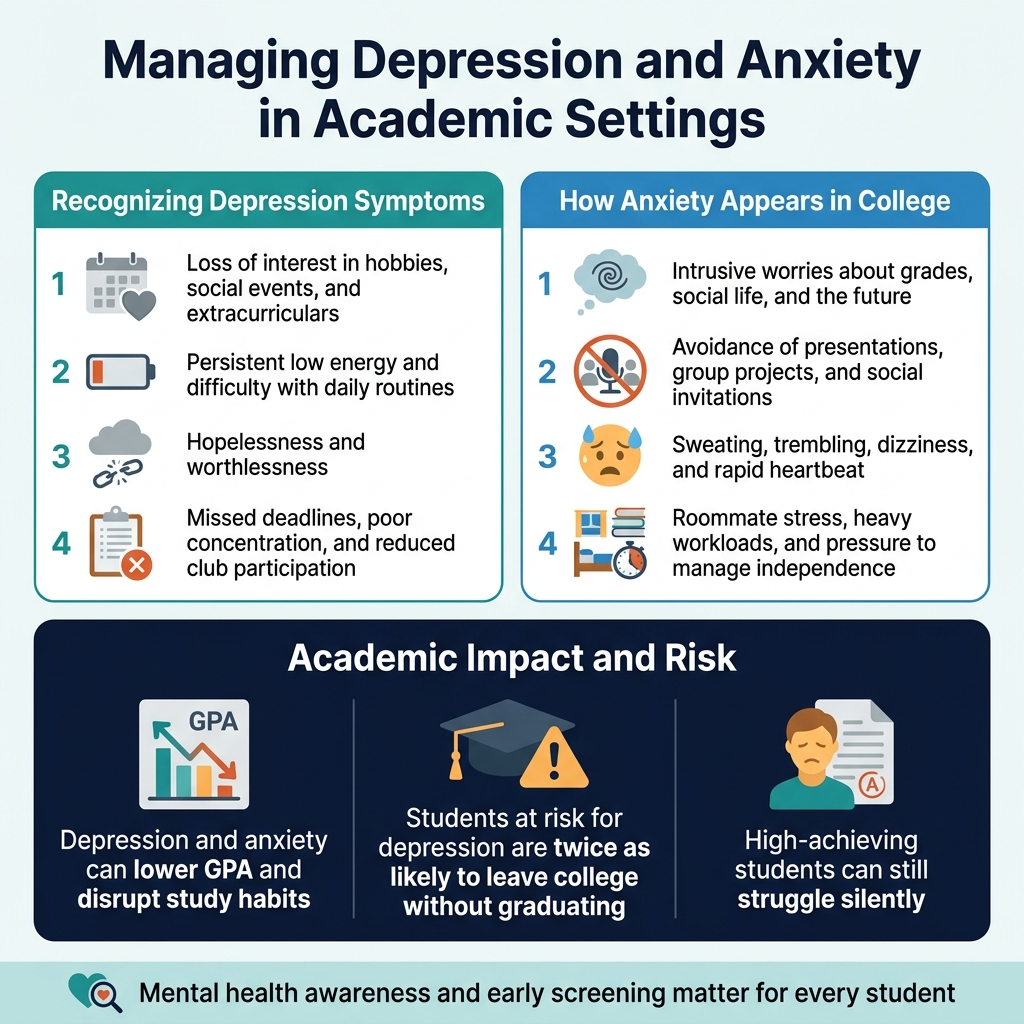
Recognizing symptoms of depression that impact daily functioning
Depression among college students manifests in several distinct ways that significantly interfere with everyday activities and academic responsibilities. Students experiencing depression often report a marked decrease in interest or pleasure in activities they previously enjoyed, which can include hobbies, social gatherings, or extracurricular pursuits. This loss of interest extends beyond occasional mood changes and represents a fundamental shift in how students engage with their environment.
Energy depletion becomes a persistent challenge, making even basic tasks feel overwhelming. Students may struggle to maintain their usual routines, finding it difficult to get out of bed, attend classes, or complete assignments. Feelings of hopelessness and worthlessness frequently accompany these physical symptoms, creating a cycle where students feel increasingly disconnected from their academic and social communities.
Academic performance suffers as depression makes it challenging to complete schoolwork effectively. Students may miss deadlines, struggle with concentration during lectures, or find themselves unable to engage with course materials. Additionally, participation in school clubs and organizations typically decreases, further isolating students from support systems and meaningful activities that could aid their well-being.
Understanding how anxiety manifests in college environments
Anxiety presents unique challenges within academic settings, often characterized by recurring intrusive thoughts or concerns that disrupt students’ ability to focus on their studies. These persistent worries can center around academic performance, social interactions, or future uncertainties, creating a constant state of mental tension.
Students with anxiety frequently develop avoidance behaviors, steering clear of certain situations that trigger their symptoms. This might include skipping presentations, avoiding group projects, or declining social invitations. Such avoidance patterns can significantly limit academic and social opportunities, potentially impacting overall college experience and personal growth.
Physical manifestations of anxiety are particularly noticeable in high-stress academic environments. Students may experience sweating during exams, trembling when speaking in class, dizziness in crowded lecture halls, or rapid heartbeat before important presentations. These physical symptoms can be embarrassing and further compound anxiety levels.
External stressors inherent to college life significantly contribute to elevated anxiety levels among students. Living with roommates presents ongoing interpersonal challenges and privacy concerns. Managing heavy workloads creates pressure to balance multiple assignments, exams, and deadlines simultaneously. Perhaps most significantly, developing an independent identity while navigating newfound freedom and responsibility adds another layer of stress management that many students find overwhelming.
Connecting mental health challenges to academic performance outcomes
Mental health conditions like depression and anxiety serve as strong predictors of negative academic outcomes, with research demonstrating clear connections between psychological well-being and educational success. Students experiencing these conditions often see direct impacts on their GPA, as symptoms interfere with study habits, test performance, and overall academic engagement.
The relationship between mental health and academic persistence is particularly concerning. Students who screen at-risk for depression are twice as likely to leave college without graduating, highlighting the critical need for early intervention and support systems. This statistic underscores how mental health challenges can derail educational goals and long-term career prospects.
Importantly, mental health challenges do not discriminate based on current academic standing. High-achieving students may suffer from mental illness while their struggles remain unnoticed by faculty, peers, and even family members. Their strong grades can effectively mask underlying psychological distress, making it difficult for support systems to identify students who need assistance. This phenomenon emphasizes the importance of mental health awareness and proactive screening, regardless of a student’s apparent academic success.
Addressing Serious Mental Health Concerns
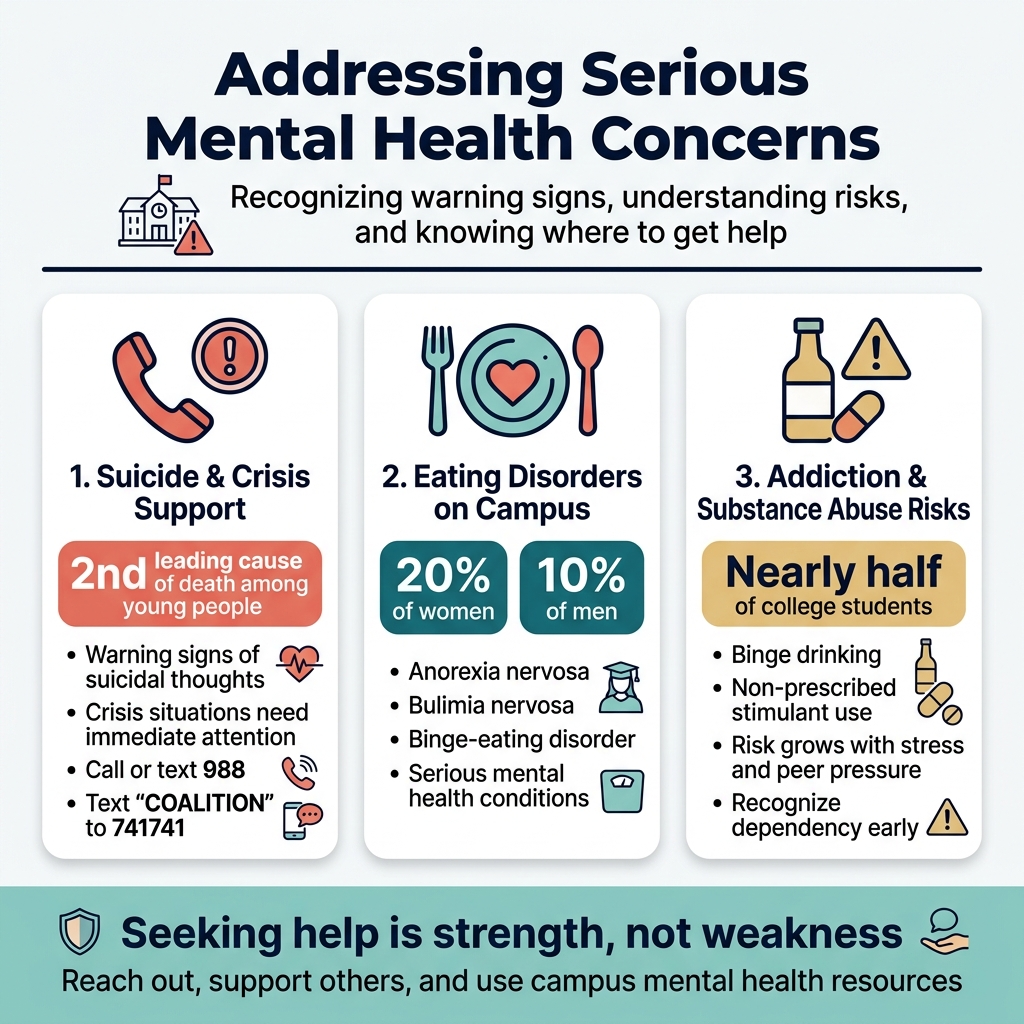
Recognizing Warning Signs of Suicidal Thoughts and Crisis Situations
The transition from high school to college can be overwhelming, and it’s crucial to understand that suicide is the 2nd leading cause of death among young people. The stress of an independent college environment can potentially lead to suicidal thoughts, making awareness and recognition of warning signs essential for student mental health and well-being.
Crisis situations require immediate attention and support. If you or someone you know is experiencing suicidal thoughts, contact the 988 Suicide & Crisis Lifeline by calling or texting 988. For those who prefer text-based communication, Crisis Text Line offers support by texting ‘COALITION’ to 741741. These resources provide critical support systems that can make the difference in life-threatening situations.
Understanding that suicide ranks as the 12th leading cause of death in the United States highlights the severity of this mental health concern. Students should be equipped with knowledge about these resources and feel comfortable reaching out for help when needed. The stigma surrounding mental health awareness must be addressed to ensure students recognize that seeking help demonstrates strength, not weakness.
Understanding Eating Disorders and Their Prevalence on Campus
Eating disorders represent a significant mental health challenge on college campuses, characterized by pathological disturbances of attitudes and behaviors related to food. These conditions include anorexia nervosa, bulimia nervosa, and binge-eating disorder, each presenting unique challenges that affect student well-being and academic performance.
The statistics surrounding eating disorders on campus are particularly concerning, with 20% of women and 10% of men in college struggling with an eating disorder. These numbers reveal the widespread nature of these conditions and underscore the need for comprehensive coping strategies and support systems. The college environment, with its social pressures, academic stress, and newfound independence, can often exacerbate existing eating disorder tendencies or trigger new ones.
Understanding eating disorders requires recognizing them as serious mental health conditions that go beyond simple dietary choices. They involve complex psychological, emotional, and physical components that require professional intervention and ongoing support.
Identifying Addiction Patterns and Substance Abuse Risks
Addiction, defined as psychological or physical dependence on alcohol or other drugs, affects nearly half of college students, making it a critical area for mental health awareness and stress management. The college environment presents unique challenges that can contribute to the development of addictive behaviors.
Common addiction patterns on campuses include binge drinking and the non-prescribed use of stimulant medications like Adderall. These substances are often misused as students attempt to cope with academic pressure, social anxiety, or the demands of independent living. The accessibility of these substances within the college environment, combined with peer pressure and limited supervision, creates a perfect storm for substance abuse issues.
Recognizing addiction patterns early is crucial for effective intervention. Students should be aware of the signs of dependency and understand that addiction can develop gradually, often beginning as seemingly harmless experimentation or occasional use for academic enhancement. Developing healthy coping strategies and accessing appropriate resources can help prevent these patterns from escalating into serious mental health concerns.
Building Daily Mental Wellness Habits
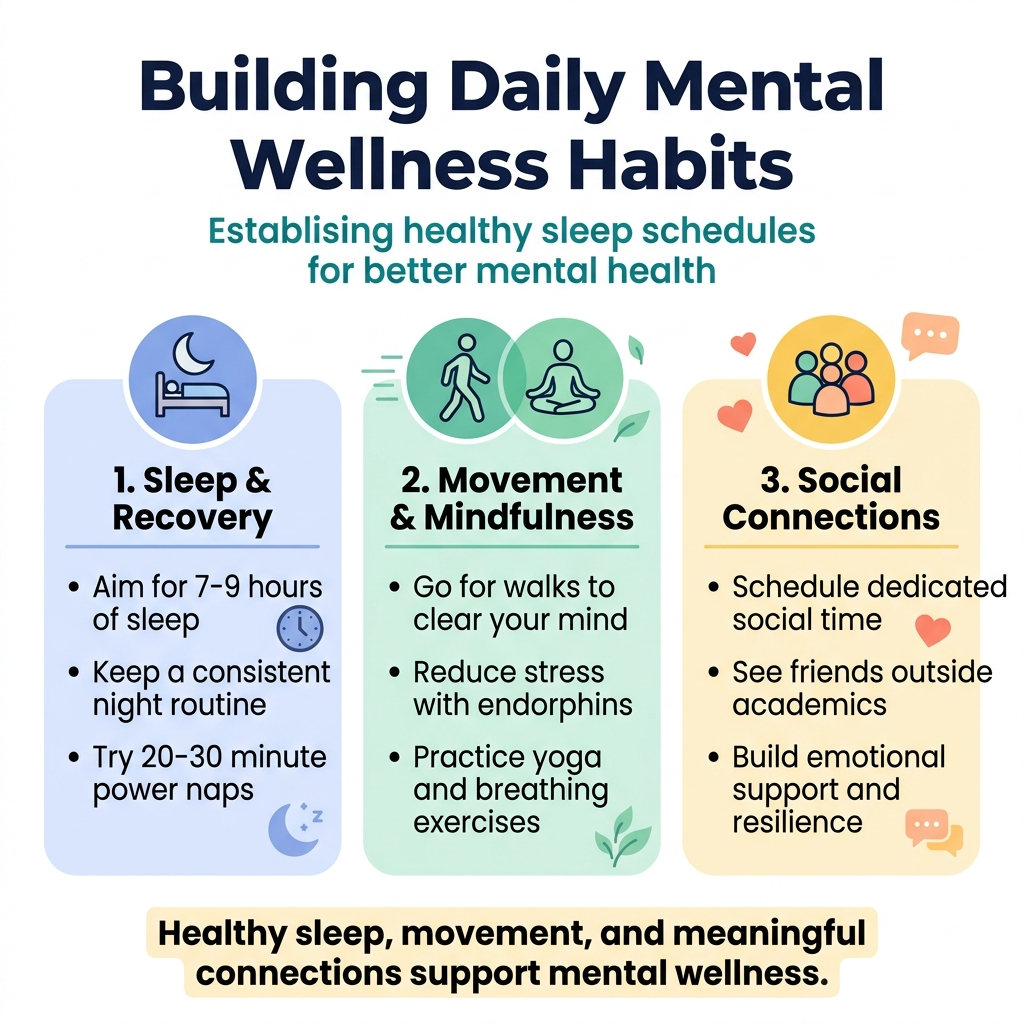
Establishing healthy sleep schedules for better mental health
Creating a consistent night routine forms the foundation of mental wellness for students. Establishing healthy sleep schedules requires more than simply going to bed at the same time each night—it involves developing a comprehensive approach to sleep hygiene that directly impacts your mental health and stress management capabilities.
Aiming for 7-9 hours of good sleep is crucial for maintaining optimal cognitive function and emotional regulation. This sleep duration allows your brain to properly process the day’s experiences, consolidate memories, and reset neurotransmitter levels that affect mood and anxiety. Students who consistently achieve this sleep range report better stress management abilities and improved overall well-being.
Consider implementing timed naps strategically throughout your day to enhance mood and reduce stress levels. Short 20-30 minute power naps can provide significant mental health benefits without disrupting your nighttime sleep cycle. These brief rest periods can help reset your stress response and improve your ability to cope with academic pressures.
Incorporating physical activity and movement into routines
Physical movement serves as a powerful tool for maintaining mental wellness throughout your academic journey. Going for walks provides an accessible way to clear the mind while simultaneously activating muscles that may become tense from prolonged studying sessions.
Regular walks offer dual benefits for mental health—they provide immediate stress relief through the release of endorphins while also creating opportunities for mindfulness and reflection. The rhythmic nature of walking can help process anxious thoughts and provide clarity when facing academic challenges.
Practicing yoga represents another effective approach to connecting with your body and enhancing breathing patterns. This mindful movement practice combines physical activity with stress reduction techniques, making it particularly valuable for students managing academic pressure. Yoga helps develop body awareness while teaching coping strategies through controlled breathing exercises.
Maintaining meaningful social connections and relationships
Social connections play a vital role in supporting mental health and creating effective support systems during your academic career. Scheduling dedicated social time ensures that relationships remain a priority alongside academic responsibilities.
Making a conscious effort to see friends outside of academic obligations helps maintain the balance necessary for mental wellness. These interactions provide emotional support, reduce feelings of isolation, and create opportunities for stress relief through shared experiences and communication. Regular social engagement helps build resilience and provides perspective during challenging academic periods.
Meaningful relationships serve as protective factors against mental health challenges, offering both emotional support and practical assistance when needed. Prioritizing these connections requires intentional scheduling and commitment, but the mental health benefits make this investment essential for long-term well-being.
Practicing Accessible Self-Care Strategies
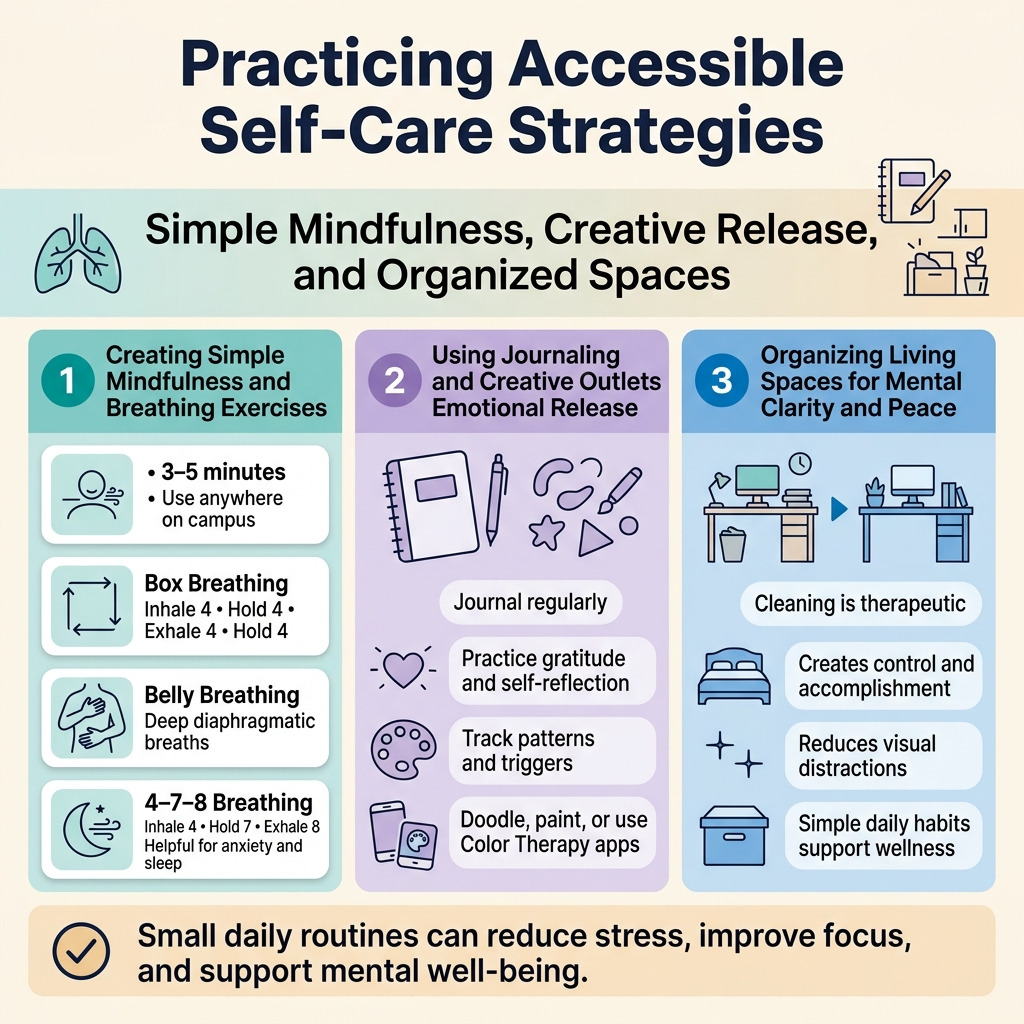
Creating Simple Mindfulness and Breathing Exercises
Now that we have explored serious mental health concerns, let’s focus on practical self-care strategies that college students can easily implement. Breathing exercises serve as one of the most accessible tools for stress management and mental health support. These techniques require no special equipment and can be practiced anywhere on campus.
Short breathing sessions lasting just 3-5 minutes can effectively relieve tension and restore mental clarity during stressful academic periods. Box breathing offers a structured approach where you inhale for four counts, hold for four, exhale for four, and hold again for four counts. This technique helps regulate the nervous system and promotes mindfulness in the moment.
Belly breathing focuses on deep diaphragmatic breaths that engage your core muscles and activate the body’s relaxation response. Place one hand on your chest and another on your belly, ensuring the lower hand moves more than the upper one as you breathe deeply.
The 4-7-8 breathing technique involves inhaling for four counts, holding the breath for seven counts, and exhaling for eight counts. This method is particularly effective for managing anxiety and preparing for sleep after long study sessions.
Using Journaling and Creative Outlets for Emotional Release
Journaling provides a powerful coping strategy for processing emotions and maintaining mental well-being throughout your academic journey. Keeping a regular journal helps promote gratitude while creating space for self-reflection and emotional connection. This practice allows students to track their mental health patterns and identify triggers that affect their well-being.
Writing serves as a safe outlet for expressing thoughts and feelings that might be difficult to share verbally. Regular journaling sessions can help clarify complex emotions and provide perspective during challenging academic periods.
Creative outlets extend beyond traditional writing to include visual arts that support emotional release. Simple activities like doodling or painting can provide relaxation and stress relief without requiring advanced artistic skills. These creative practices engage different parts of the brain and offer alternative ways to process experiences.
Digital tools like Color Therapy apps make creative self-care more accessible for busy students. These applications provide guided coloring activities that can be completed between classes or during study breaks, offering mindfulness benefits through creative engagement.
Organizing Living Spaces for Mental Clarity and Peace
Previously, we’ve discussed breathing and creative strategies, but environmental factors also significantly impact mental health and well-being. The physical space where students live and study directly influences their mental state and academic performance.
The act of cleaning itself serves as a therapeutic activity that provides immediate mental health benefits. Organizing and tidying living spaces creates a sense of control and accomplishment, which can be particularly valuable during overwhelming academic periods. This physical activity also serves as a form of mindfulness practice, requiring focus on the present moment.
A clean, organized environment contributes to mental clarity by reducing visual distractions and creating a sense of order. When living spaces are cluttered or chaotic, students may experience increased stress and difficulty concentrating on their studies. Conversely, organized spaces promote peace of mind and support better focus during study sessions.
Regular maintenance of living areas establishes healthy routines that support overall mental wellness. Simple daily habits like making the bed, clearing study surfaces, and organizing personal belongings create structure that benefits mental health throughout the academic year.
Finding Professional Support and Campus Resources
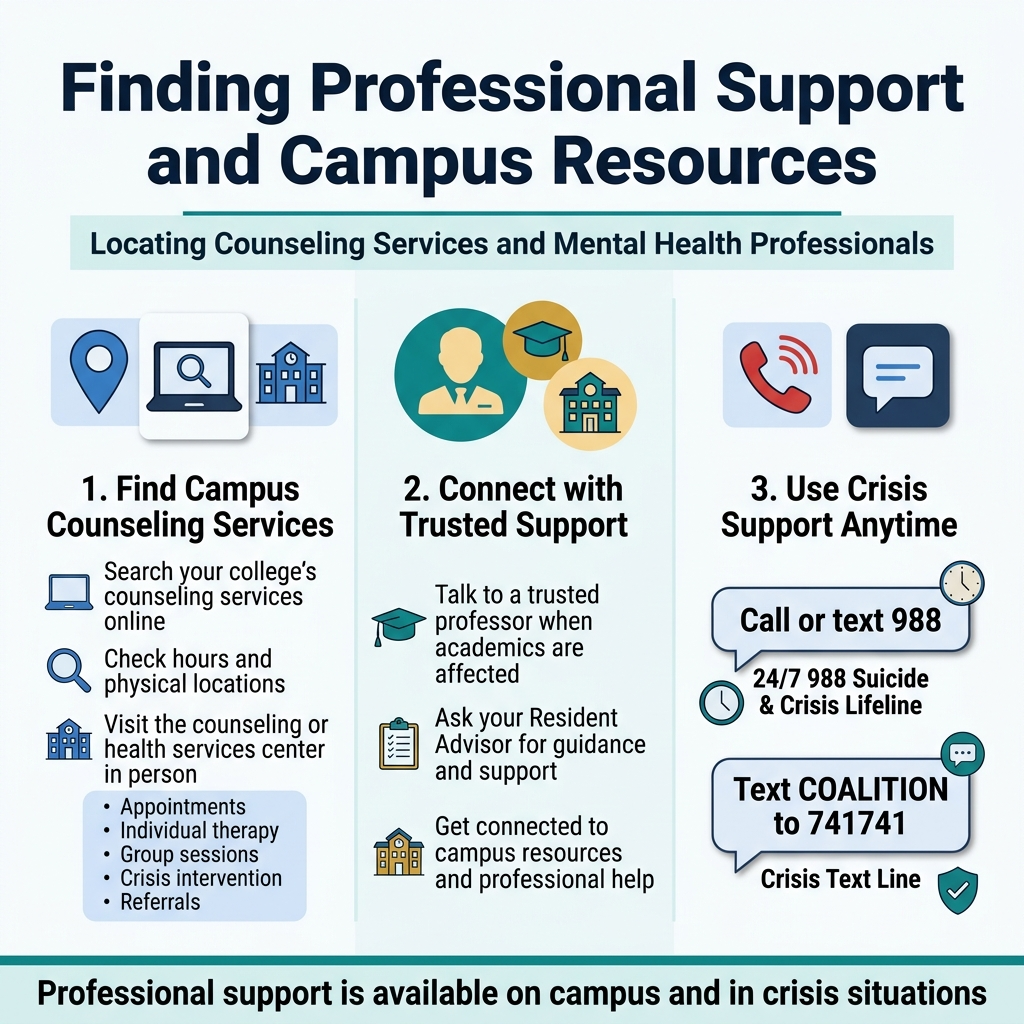
Locating Counseling Services and Mental Health Professionals
Finding appropriate mental health support on campus requires knowing where to look and how to access available resources. Students can locate counseling services and mental health professionals by conducting targeted online searches for their specific college’s counseling services, including operating hours and physical locations. This initial research provides essential information about availability and accessibility of campus-based mental health support.
The most direct approach involves visiting your college’s counseling or health services center in person. These centers serve as the primary hub for mental health resources and can provide immediate guidance on available services, appointment scheduling, and specialized support programs. Campus counseling centers typically offer individual therapy, group sessions, crisis intervention, and referrals to off-campus professionals when needed.
Connecting with Trusted Faculty and Residence Advisors
Building relationships with faculty members and residence staff creates additional support networks beyond formal counseling services. When academic performance begins to suffer due to mental health challenges, confiding in a trusted professor can provide both understanding and practical accommodations. Faculty members often have experience helping students navigate difficult periods and can connect you with additional campus resources.
Residence advisors represent another valuable support system, particularly for students living on campus. Your dorm’s Resident Advisor (RA) receives training to help students with various challenges and can provide immediate support during difficult times. RAs understand the unique stresses of campus life and can offer practical guidance while connecting students with appropriate professional resources when situations require additional intervention.
Accessing Crisis Intervention and Emergency Support Services
When mental health concerns reach crisis levels, immediate professional intervention becomes critical for student safety and well-being. Students experiencing crisis situations can access emergency support through the 988 Suicide & Crisis Lifeline by calling or texting 988. This service provides immediate access to trained counselors available 24/7 for crisis intervention and emotional support.
The Crisis Text Line offers an alternative communication method for students who prefer text-based support. By texting ‘COALITION’ to 741741, students can connect with crisis counselors who specialize in providing immediate assistance through text messaging. These emergency services complement campus resources and ensure students have access to professional support regardless of time or location.
Creating Mental Health Awareness on Campus
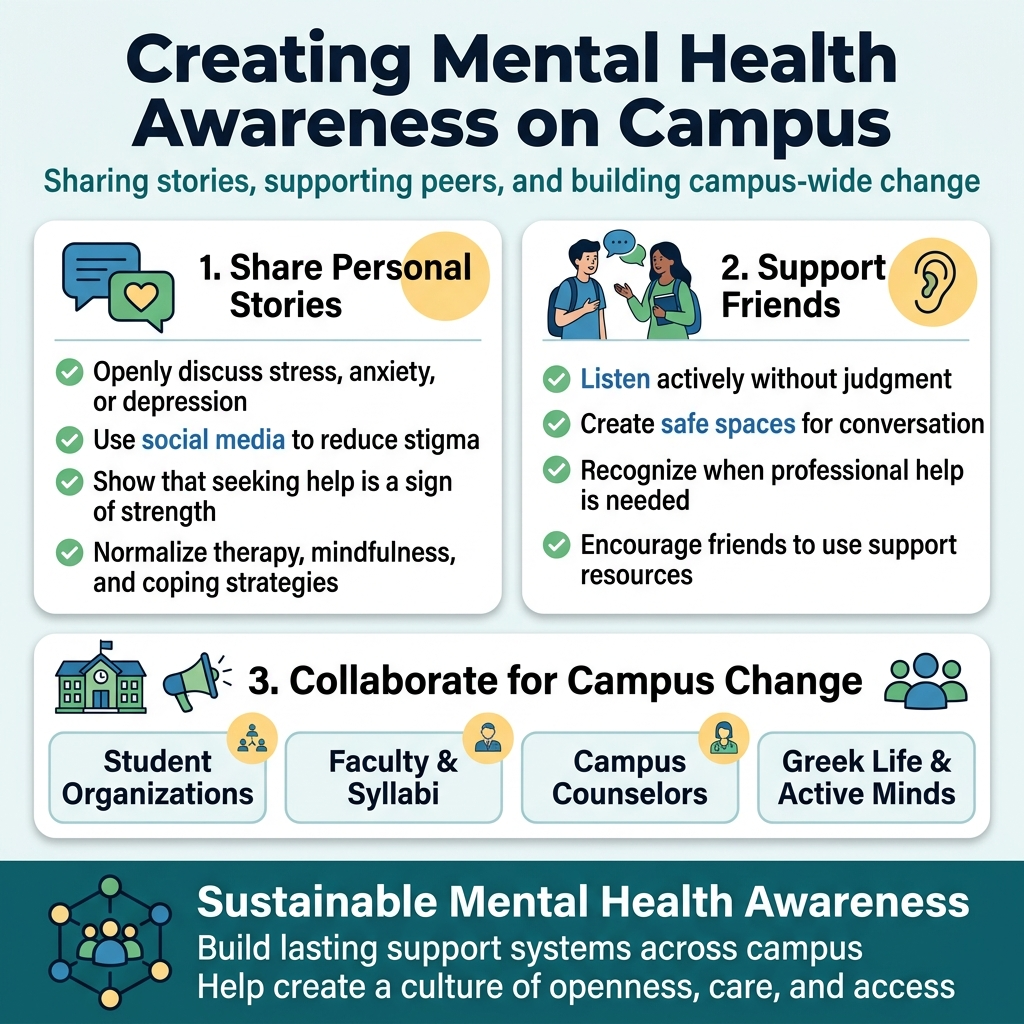
Sharing Personal Stories to Reduce Stigma
One of the most powerful ways to create mental health awareness on campus is by being comfortable discussing your mental health journey. When students openly share their experiences with mental health challenges, it creates a ripple effect that helps normalize these conversations across campus communities. Your willingness to discuss topics like stress management, anxiety, or depression can provide others with the courage to seek the support systems they need.
Sharing personal stories through various channels, including social media platforms, can significantly reduce the stigma surrounding mental health issues among college students. These authentic narratives help fellow students realize they’re not alone in their struggles and that seeking help is a sign of strength, not weakness. When students see their peers discussing therapy, mindfulness practices, or coping strategies openly, it transforms mental health from a taboo subject into a normal part of campus conversation.
Supporting Friends Through Mental Health Challenges
Now that we’ve covered the importance of personal storytelling, it’s equally crucial to develop skills for supporting friends who share their mental health journeys with you. Learning how to better support fellow students requires developing active listening skills, understanding appropriate responses, and knowing when to encourage professional help.
Effective support involves creating safe spaces for communication where friends feel heard without judgment. This means learning to recognize signs when someone might need additional resources or professional support beyond peer-to-peer assistance. Well-being isn’t just individual—it’s community-based, and students who feel supported by their peer networks are more likely to maintain better mental health throughout their college experience.
Collaborating with Student Organizations and Campus Leaders
With this foundation of personal openness and peer support in mind, the next step involves working systematically with existing campus structures to amplify mental health awareness efforts. Reaching out to mental health organization leaders provides opportunities to join established movements and leverage existing resources for maximum impact.
Working collaboratively with faculty members can create lasting change by including mental health resources directly in course syllabi, making support information readily available to all students. Organizing Q&A events with campus counselors helps demystify professional mental health services and makes these resources more accessible to the broader student body.
Greek life organizations offer unique opportunities to amplify mental health action within established social networks. These communities can serve as powerful platforms for normalizing conversations about stress management and self-care practices. Additionally, joining or starting an Active Minds chapter provides a structured framework for ongoing mental health advocacy and awareness campaigns.
These collaborative efforts create sustainable awareness initiatives that extend beyond individual actions, fostering campus-wide cultural shifts toward better mental health support and resources for all college students.
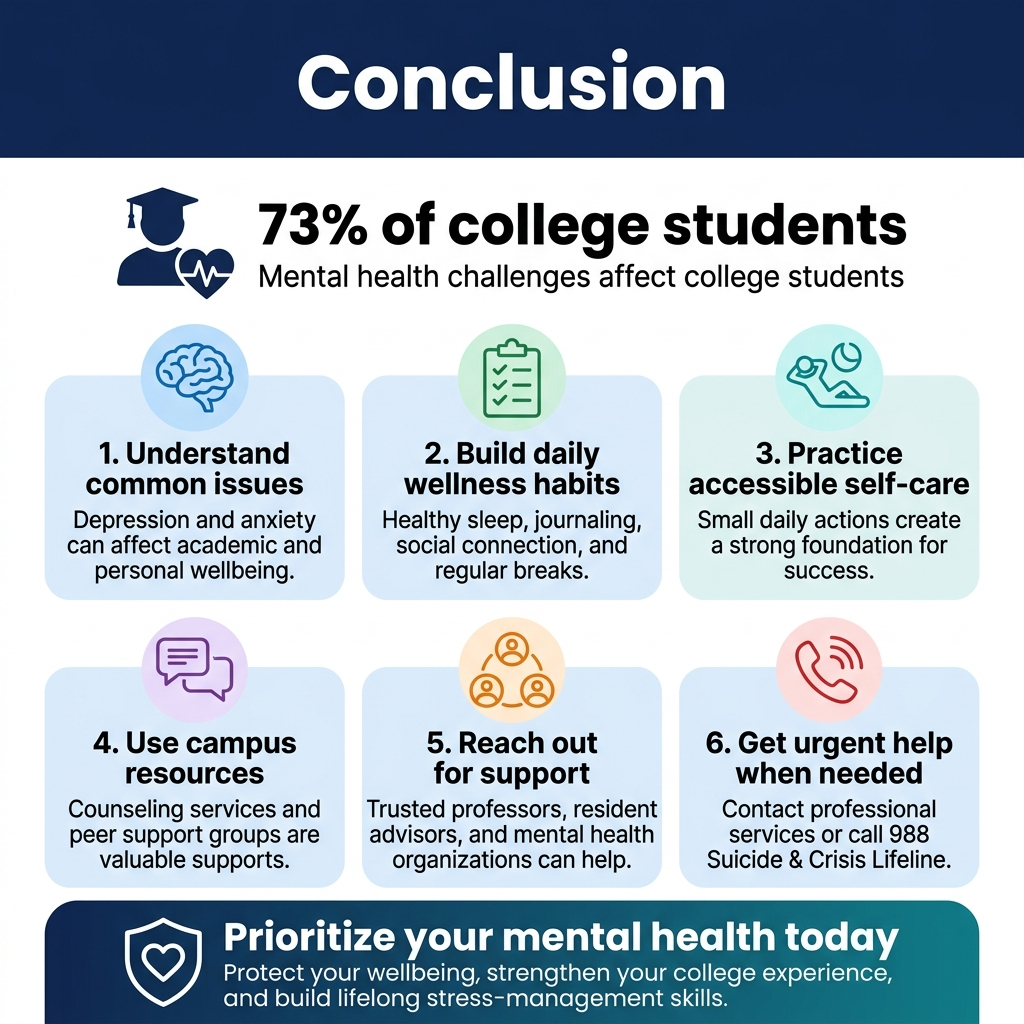
Mental health challenges affect 73% of college students, making it essential to prioritize your wellbeing throughout your academic journey. By understanding common issues like depression and anxiety, building daily wellness habits, and practicing accessible self-care strategies, you can create a strong foundation for both academic success and personal growth. Remember that maintaining a healthy sleep schedule, journaling, staying socially connected, and taking regular breaks are simple yet powerful ways to protect your mental health.
Your campus offers valuable resources, from counseling services to peer support groups, and seeking help is a sign of strength, not weakness. Consider connecting with trusted professors, resident advisors, or mental health organizations on campus to build your support network. If you’re experiencing serious mental health concerns, don’t hesitate to reach out to professional services or contact the 988 Suicide & Crisis Lifeline. Taking action to prioritize your mental health today will not only enhance your college experience but also equip you with lifelong skills for managing stress and maintaining wellbeing.