
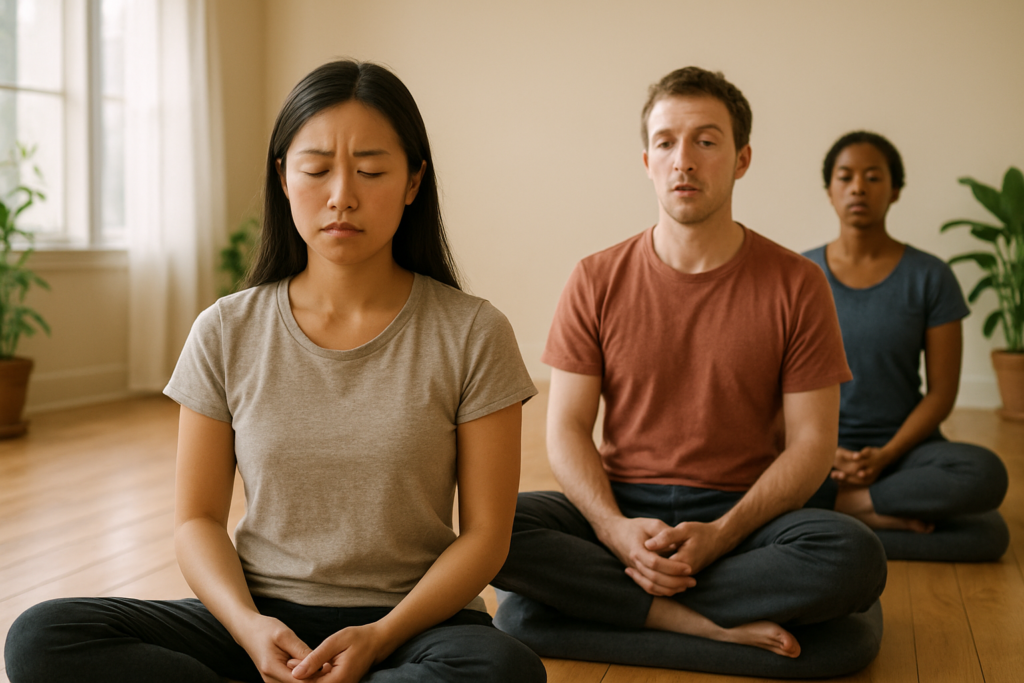
Meditation can seem intimidating to newcomers, but it’s actually one of the simplest practices you can start today. If you’re new to meditation and wondering how to begin, this comprehensive meditation for beginners guide will walk you through everything you need to know to start your own daily meditation practice.
This guide is designed for complete beginners who have never meditated before, as well as those who’ve tried but struggled to maintain a consistent routine. You’ll discover what meditation actually is (spoiler: it’s not about emptying your mind), learn basic breathing meditation techniques that anyone can master, and find practical solutions for the most common challenges that trip up new meditators.
We’ll cover the essential preparation steps to set yourself up for success, explore simple meditation techniques you can use right away, and show you how to build a sustainable daily practice that fits your real life. By the end, you’ll have all the meditation basics you need to start experiencing the stress-reducing, focus-enhancing benefits of this ancient practice.
What is Meditation and Why It Matters
Understanding Meditation as a Practice for Focusing Attention and Cultivating Mindfulness
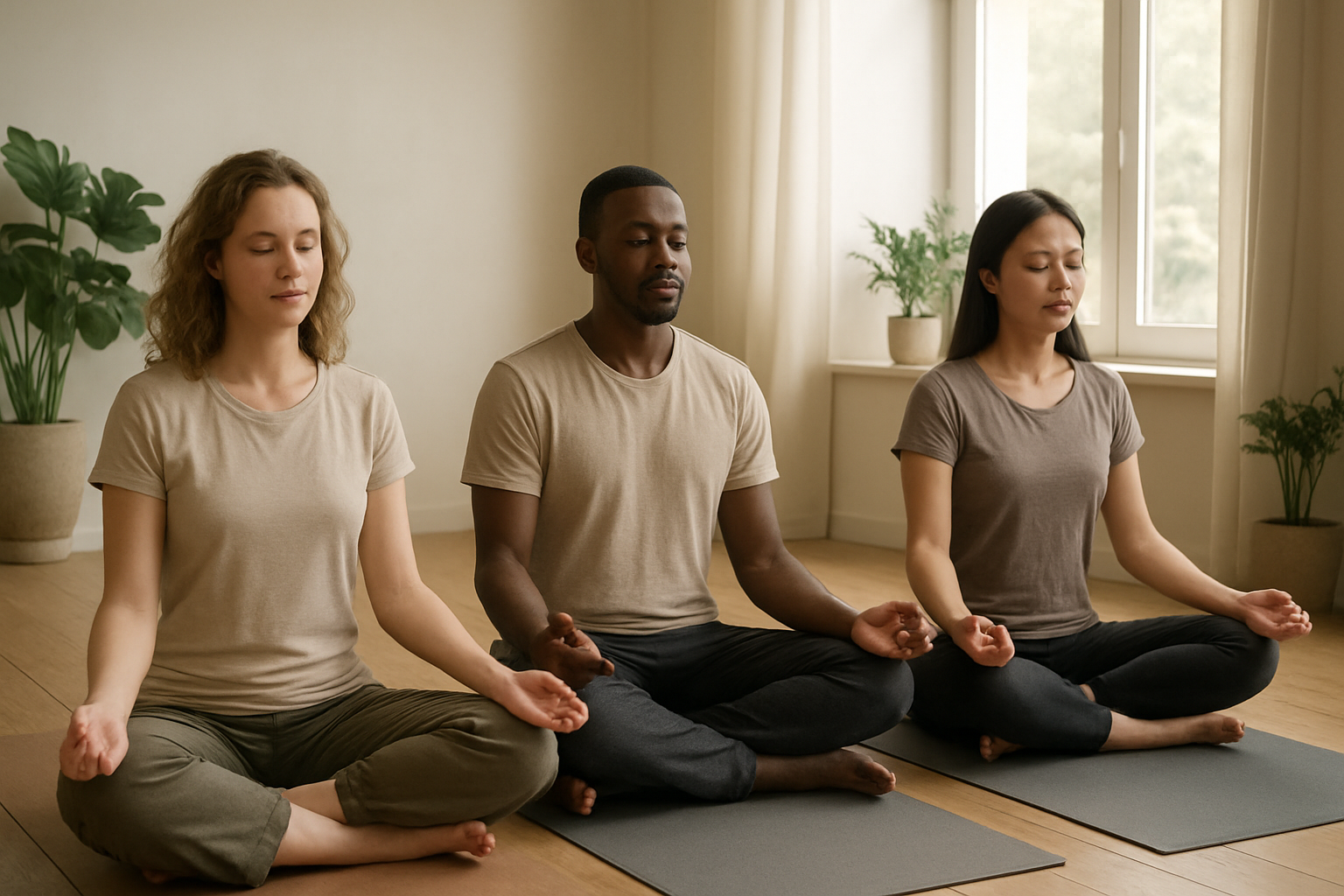
Meditation is fundamentally a practice that involves focusing attention, often via the breath, to cultivate mindfulness, calm, and clarity. This beginner meditation practice trains the mind to concentrate and redirect thoughts, using the breath as an anchor to build attention and mindfulness. It helps individuals understand their own minds, moving from automatic reactions to conscious awareness and choice.
Key Benefits Including Stress Reduction, Improved Focus, and Enhanced Emotional Health
- Stress reduction and improved focus are among meditation’s primary benefits
- Enhanced emotional health through deeper self-awareness
- Sleep quality improvement and strengthened immunity
- Mental resilience building for addressing physical and emotional pain with clarity and compassion
- Better relationships and communication skills
How Meditation Transforms Your Relationship with Your Mind and Thoughts
The practice transforms one’s relationship with their mind and thoughts by not aiming to clear the mind, but rather to observe thoughts as normal while practicing focus. By watching the mind wander, get frustrated, or avoid difficult feelings, practitioners begin to understand themselves better. This meditation basics approach fosters a more positive relationship with oneself through kindness and self-understanding, helping quiet mental clutter for a clearer, more peaceful mind.
Essential Preparation for Your Practice
Finding the Right Place and Posture for Meditation
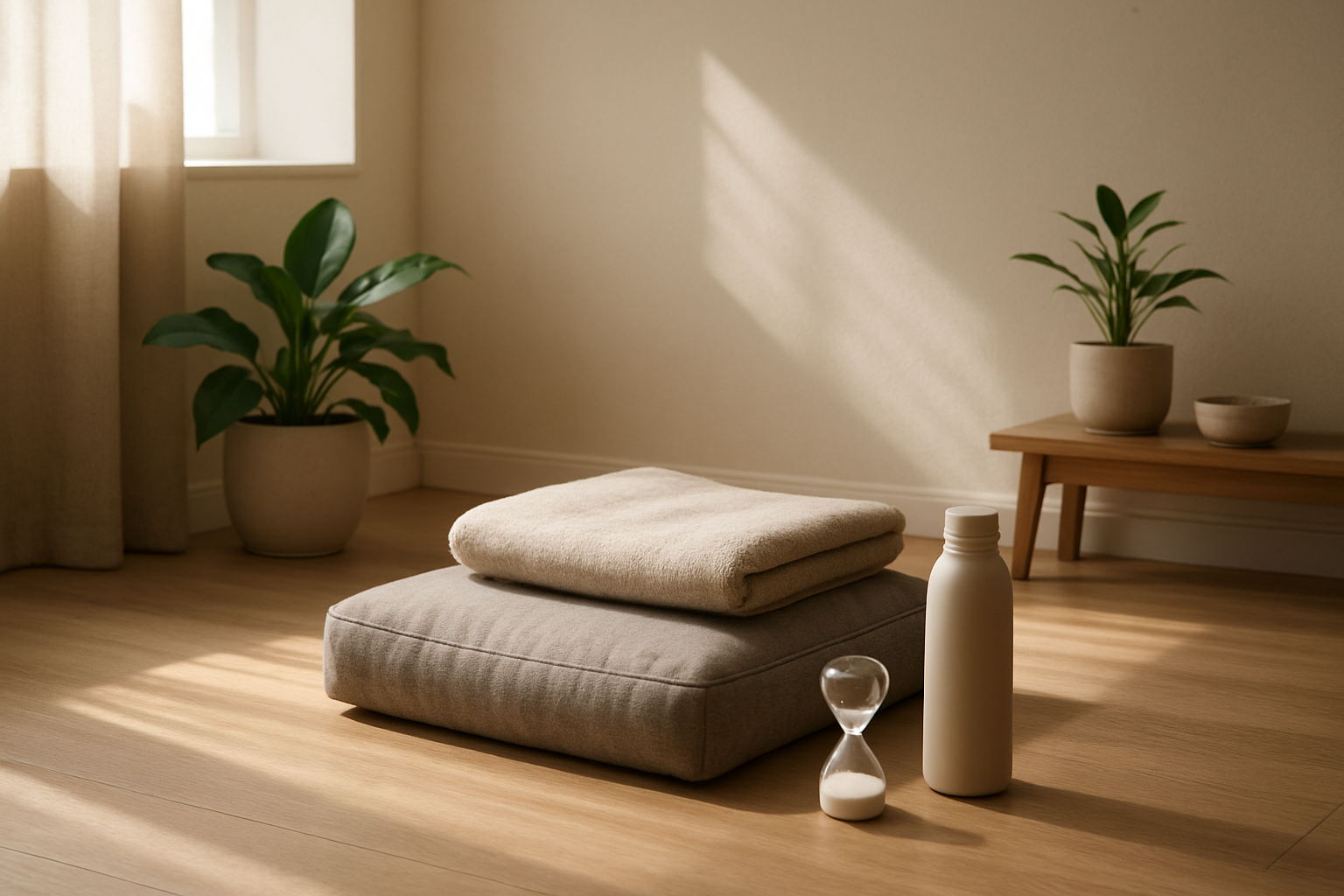
To begin your meditation for beginners journey, find a calm and quiet place to sit without overthinking the setup. Simply choose a chair, couch, or bed where you feel comfortable. Your meditation posture should be stable and comfortable enough to maintain for a short period, whether sitting on a chair with feet on the floor, cross-legged, or kneeling.
Setting Realistic Time Limits and Creating Your Environment
Start with just two minutes a day for your first week, then gradually increase by two minutes weekly to reach 10 minutes daily within the second month. For beginner meditation practice, even one minute is a good starting point. Focus on finding somewhere quiet and comfortable rather than getting caught up in elaborate setup details – you can optimize your meditation space for longer sessions later, but the most important thing is to simply start your daily meditation practice.
Basic Breathing Meditation Technique
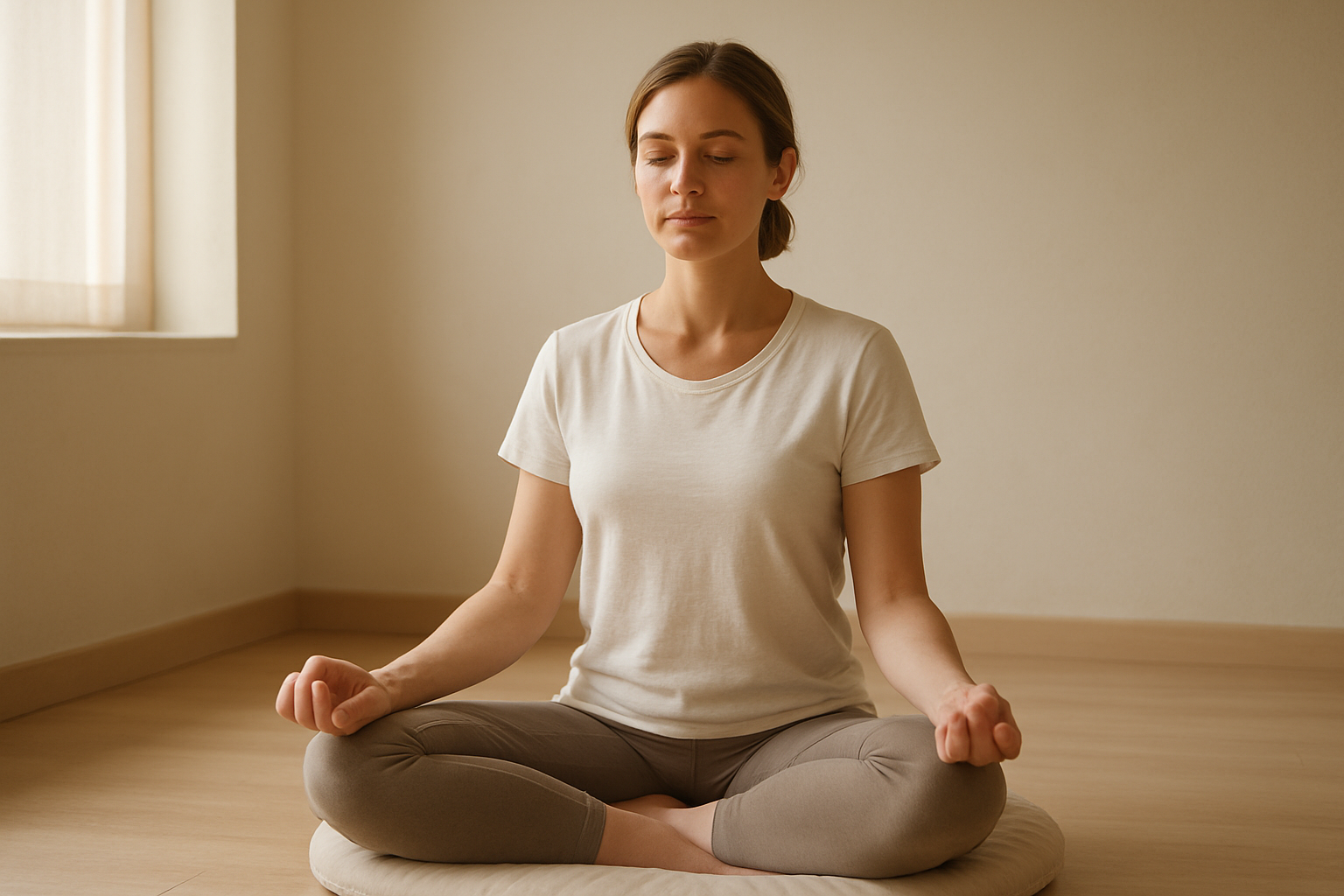
Focusing attention on your natural breath pattern
Begin your breathing meditation by directing your attention to your natural breath pattern. Follow the sensation of breath as it enters and leaves your body, noticing where you feel it most distinctly – this might be in your belly as it rises and falls, or at your nostrils as air flows in and out.
Counting breaths from one to ten as an anchor point
To maintain focus during your meditation practice, try counting your breaths as an anchor point. Count “one” on the inhale, “two” on the exhale, and continue this pattern up to ten before starting again at one. This counting method provides structure for beginners and can be adapted for other meditation techniques like walking meditation.
Gently returning focus when your mind inevitably wanders
When your mind wanders during meditation – and it will – gently return your focus to your breath without judgment. Avoid obsessing over the thoughts that arise; simply guide your attention back to breathing with kindness toward yourself. This repeated act of returning builds your attention and mindfulness skills over time.
Working with Common Meditation Challenges
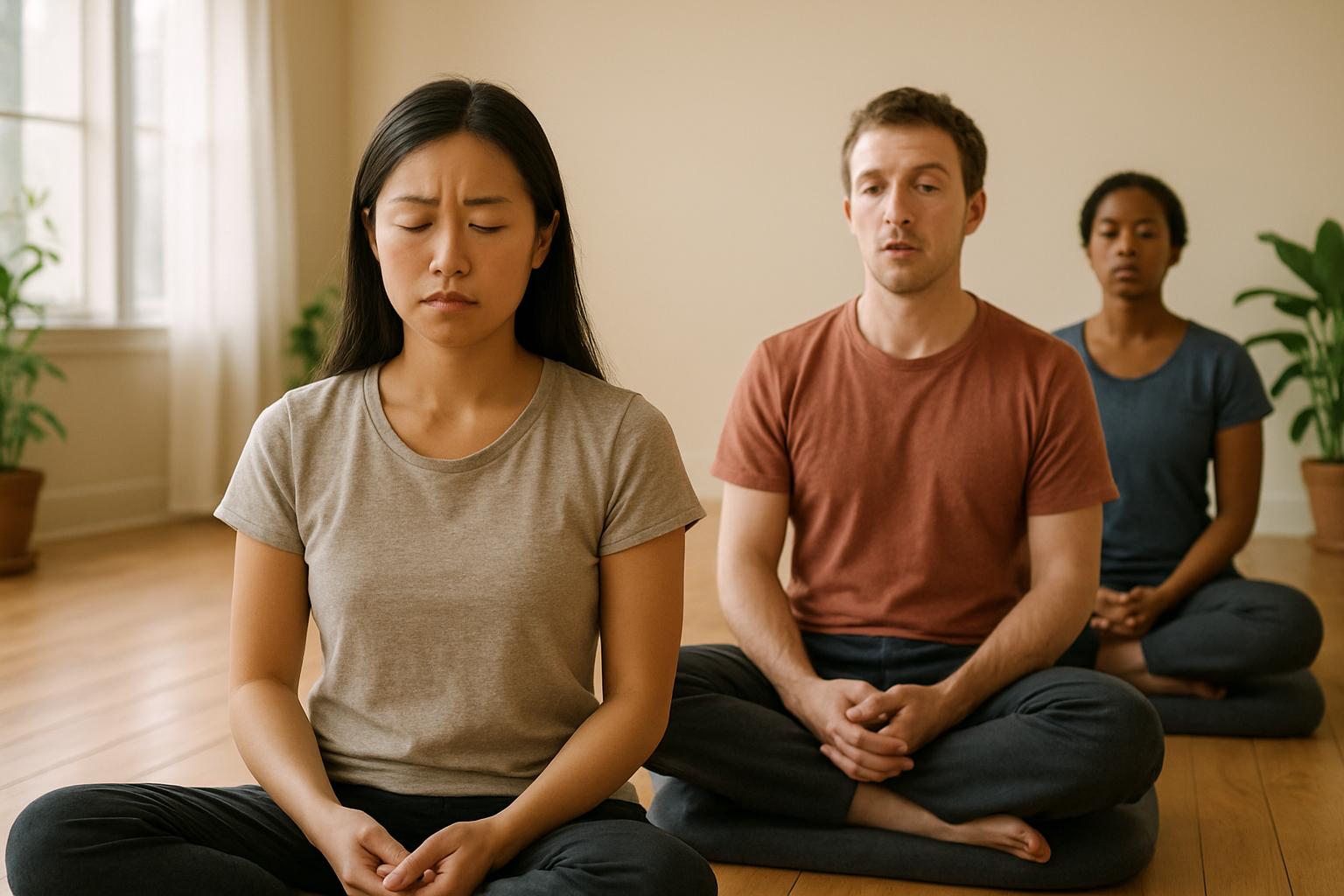
Understanding that mind wandering is normal and expected
Mind wandering is normal and expected during meditation for beginners—it’s an almost absolute certainty, and there’s no problem with it. Your brain functions as a thought factory, constantly producing thoughts, which is completely natural and not a sign you’re doing meditation wrong.
Developing a loving, non-judgmental attitude toward thoughts and feelings
The key to successful meditation practice is developing a loving, non-judgmental attitude toward your thoughts and feelings, viewing them as friends rather than intruders or enemies. Be kind to your wandering mind without judging yourself or obsessing over thought content. The goal is simply noticing thoughts without getting caught up in or judging them.
Staying present with difficult emotions instead of avoiding them
When difficult emotions like frustration, anger, or anxiety arise during your meditation basics practice, try staying with the feeling for a while with curiosity rather than avoiding them. This approach helps you remain present with whatever arises, building emotional resilience through mindfulness meditation techniques.
Alternative Meditation Practices for Variety
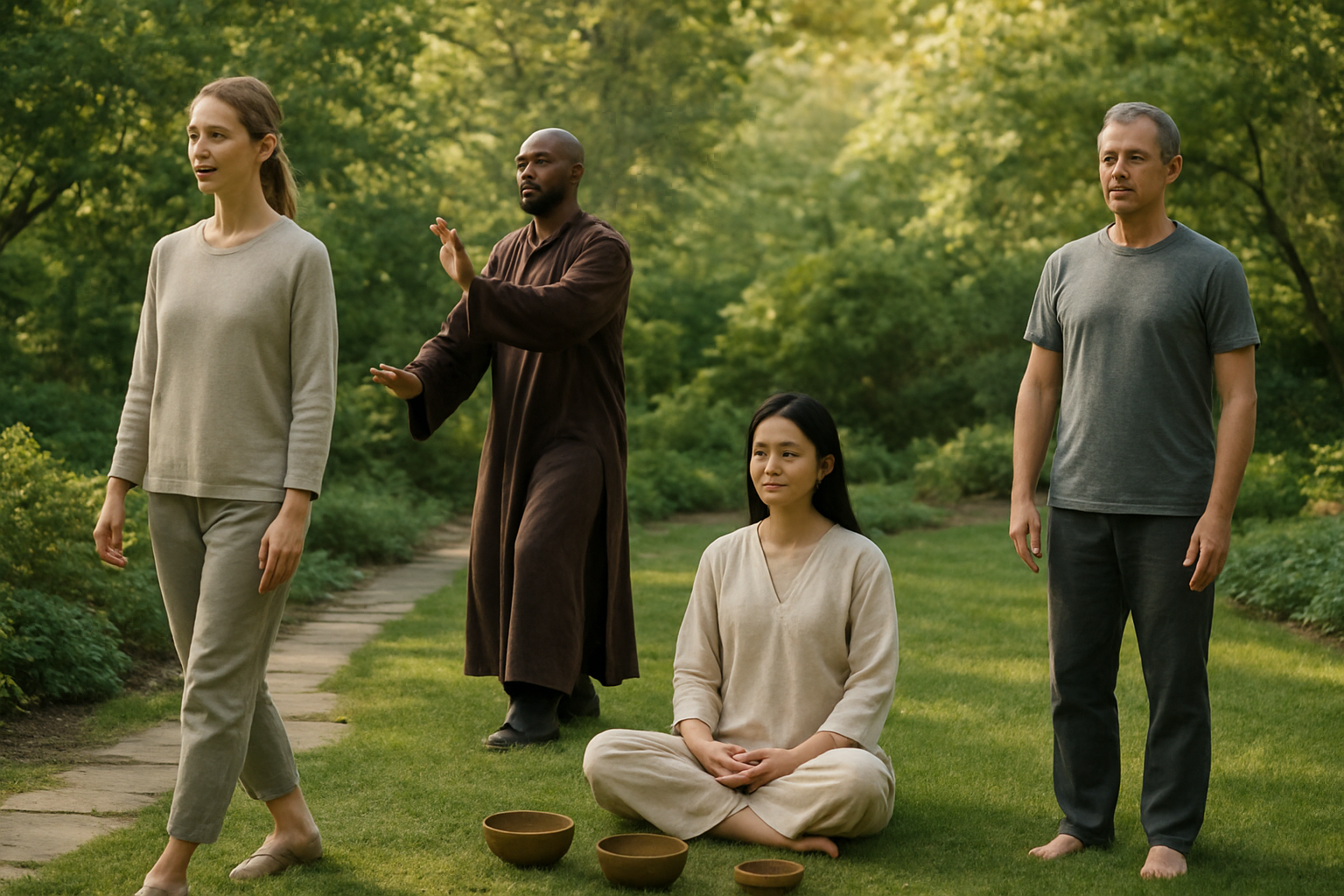
Body scan meditation for physical awareness
This powerful meditation technique involves focusing attention systematically on one body part at a time, beginning from the soles of your feet and progressing upward to the top of your head. During body scan meditation, you’ll check in with your entire body, observing physical feelings and sensations without judgment, wondering, or worrying. The practice encourages you to linger for several moments on each body part, carefully noting the different sensations you encounter along the way.
Walking meditation for mindful movement
Walking meditation seamlessly integrates mindfulness meditation into daily activities, making it perfect for meditation for beginners who prefer movement-based practices. Walk at your natural pace while placing your hands comfortably, paying close attention to the lifting and falling of each foot and the accompanying movement in your legs and body with every step. You can use counting steps up to 10 as an anchor point for your attention. When practicing outdoors, maintain awareness of your surroundings while prioritizing safety.
Loving-kindness meditation for compassion cultivation
This compassion-focused meditation technique involves silently repeating phrases that offer good qualities to yourself and others, such as “May I live in safety,” “May I have mental happiness,” “May I have physical happiness,” and “May I live with ease.” Begin the practice by acknowledging your own inherent goodness, then visualize yourself surrounded by a circle of kind or inspiring people, receiving their unconditional love. This transformative meditation practice helps heal old, hurtful relationships with yourself by actively fostering kindness and self-compassion.
Building a Sustainable Daily Practice
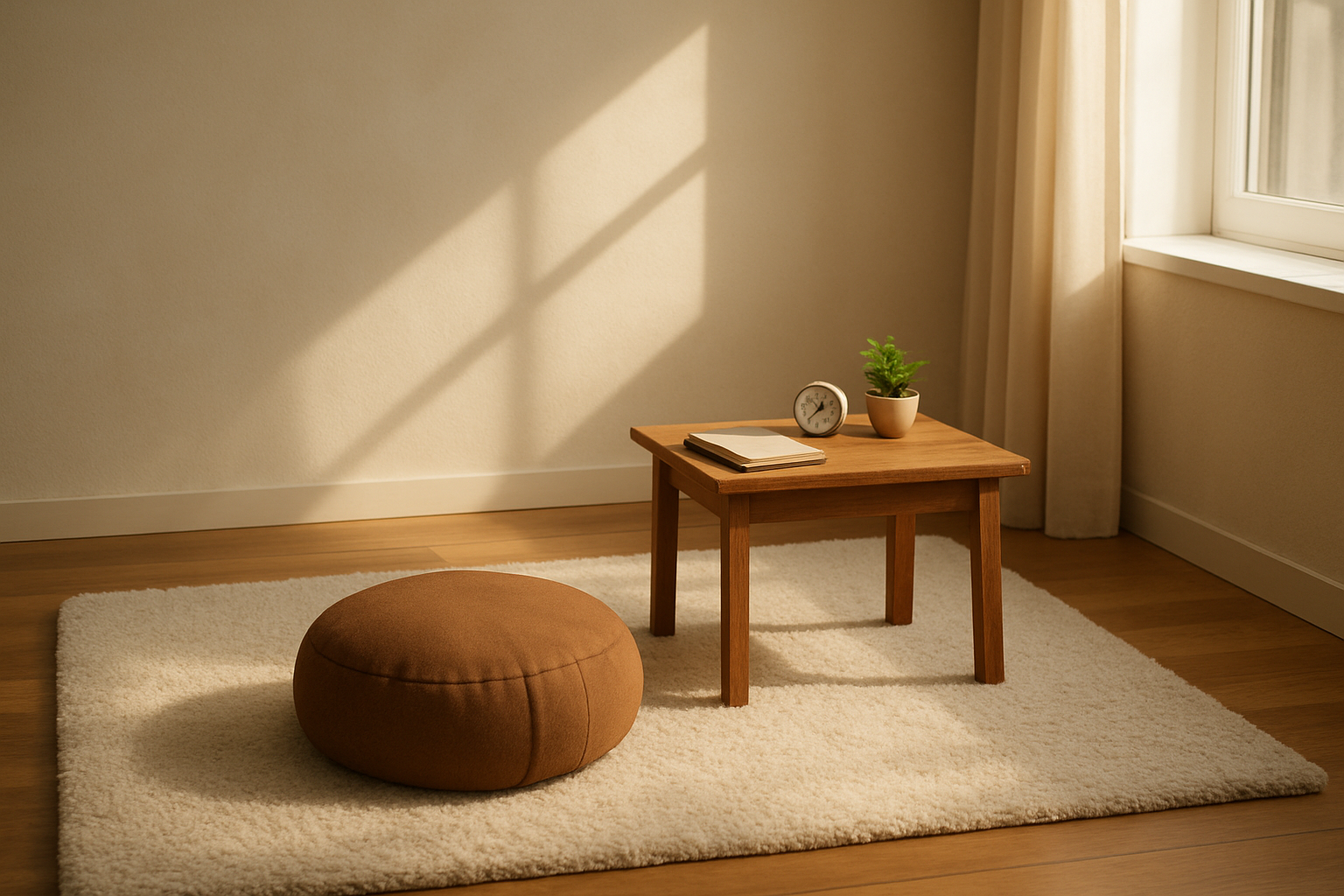
Starting Small and Gradually Increasing Session Length
Begin your daily meditation practice with just two minutes a day for the first week, then gradually increase by two minutes weekly. This incremental approach helps you reach 10 minutes daily within the second month. For beginners, even one minute serves as an excellent starting point before progressing to 5-10 minutes.
Establishing Consistent Timing and Helpful Reminders
Practice meditation first thing each morning and use reminders like setting an alarm or placing visible notes. Make mindfulness a habit by positioning physical reminders around you, such as keeping your meditation cushion in plain sight. Refresh these reminders regularly with new notes or creative variations to maintain effectiveness. Create “If this, then that” cues, for example, “If office door, then deep breath.”
Making Meditation a Non-Negotiable Commitment
Commit to meditation as non-negotiable for at least one month. As meditation teacher Sharon Salzberg highlights, the simple act of sitting down to meditate serves as a declaration of belief in change and self-care.
Advanced Techniques and Deeper Exploration

Exploring Different Focal Points Like Sounds, Light, and Energy
After practicing with breath for at least a week, explore different focal points beyond the breath, such as the light in the room, various sounds, or the overall energy around you. Other mindfulness techniques can utilize external objects or broader spontaneous awareness, expanding your meditation techniques beyond basic breathing meditation.
Practicing Mindfulness Throughout Daily Activities
Practice mindfulness throughout daily activities by realizing you can meditate anywhere—your office, a park, during your commute, or while walking. Sitting meditation is a good starting point, but the ultimate goal is to integrate mindfulness into your entire life, transforming ordinary moments into opportunities for deeper awareness and presence.
Using Guided Meditations and Finding Community Support
Utilize guided meditations, which are excellent tools for beginners as they provide a focal point and gentle instruction. Consider practicing with friends or family, or join a community of meditators, either a local Zen or Tibetan group or an online group, for support and shared experience in your daily meditation practice.
Troubleshooting Your Practice
Addressing Common Concerns About Doing It Wrong
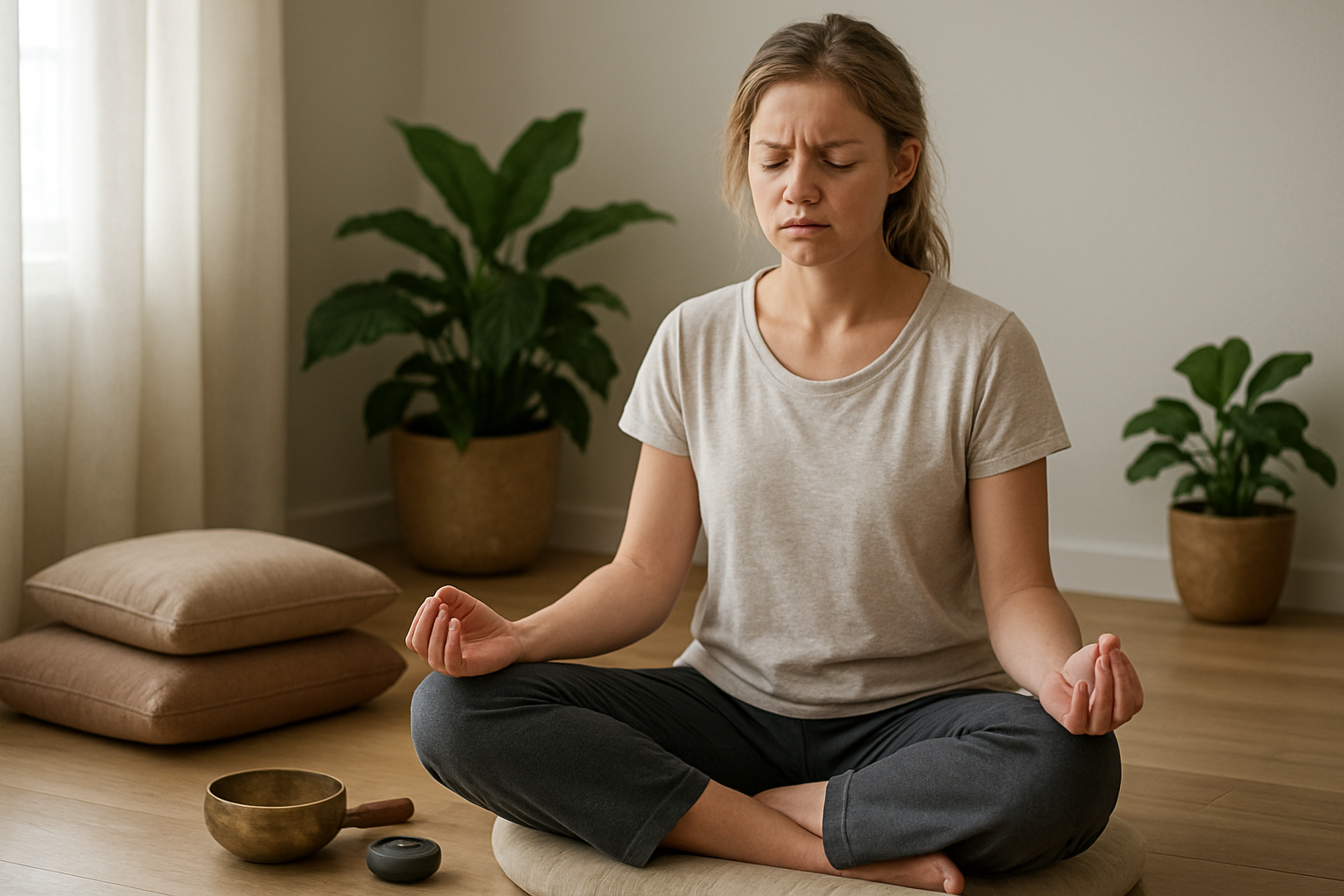
Common concerns about doing it wrong are normal when starting your meditation practice. The very act of questioning if you’re doing it wrong signifies that your meditation has begun. Remember, there is no perfect way to meditate, and the practice is about continually returning your attention to your focus object rather than achieving perfection.
Handling Physical Sensations and Distractions During Meditation
When physical sensations arise, such as an itch, try addressing it mentally before physically scratching. If sexually or physically aroused by thoughts, acknowledge them, bring awareness to body sensations, and gently return to your breath. Allow pets to interrupt without breaking your session, and if you fall asleep during body scan meditation, simply reawaken, reposition, and return to your last point of focus.
Determining Optimal Practice Duration and Frequency
Start with short periods of 5-10 minutes, or even 1 minute for absolute beginners, gradually increasing duration over time. Neuroscientist Amishi Jha’s research suggests 12 minutes, 5 days a week can strengthen attention effectively. Experiment with different times of day to find what works best for your lifestyle while being mindful of the tendency to postpone your daily meditation practice.
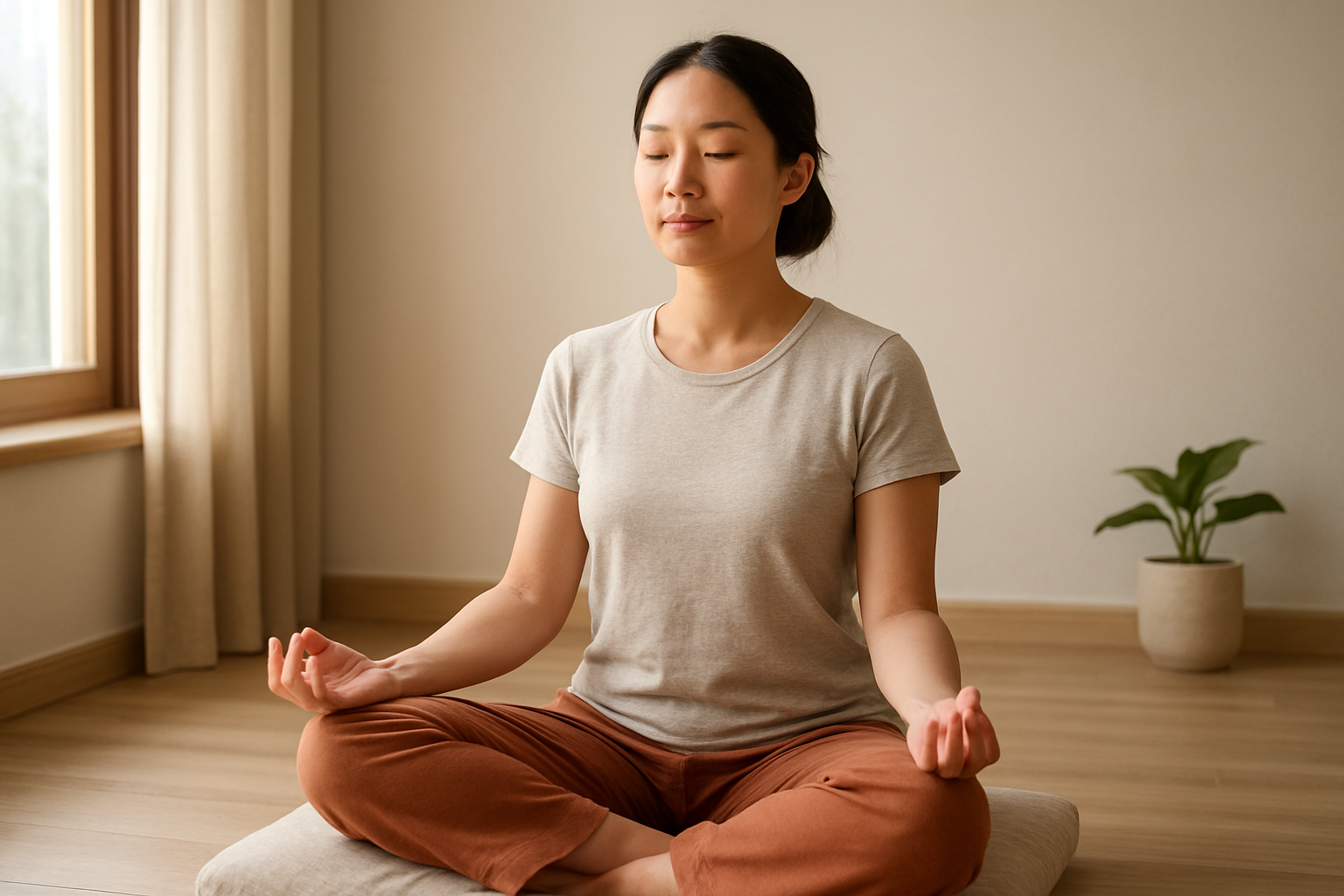
The journey of meditation begins with understanding its essence and preparing your mind for practice, but it truly flourishes when you commit to consistency over perfection. As you’ve learned, meditation isn’t about emptying your mind or achieving instant peace—it’s about developing awareness, returning to your breath when thoughts wander, and approaching yourself with kindness. Whether you choose basic breathing techniques, body scans, walking meditation, or loving-kindness practices, the key is finding what resonates with you and making it a daily habit.
Start small with just two minutes each morning, and remember that every moment you notice your wandering mind is actually a success, not a failure. The challenges you’ll face—restlessness, doubt, or difficulty focusing—are universal experiences that become easier to navigate with practice. Most importantly, be patient and gentle with yourself as you build this transformative habit. Even twelve minutes of practice, five days a week, can protect and strengthen your ability to pay attention, reduce stress, and cultivate the mindfulness that will serve you throughout your entire life.