

Achieving balance body mind isn’t just about eating well or hitting the gym—it’s about understanding how your physical and mental health work together as a team. This guide is for busy professionals, parents, and anyone tired of feeling stuck in cycles of low energy, poor sleep, digestive issues, or mood swings who wants real, science-backed solutions that actually work.
We’ll start by exploring the mind-body connection and why your thoughts can literally change your hormone levels and physical symptoms. Then we’ll dive into practical tools you can use today to transform your daily habits, from simple breathing techniques to nutrition strategies that support both mental clarity and physical energy. Finally, we’ll cover how to build lasting healthy habits that stick, plus when it makes sense to work with professionals who can address the root causes of complex health challenges.
Your body and mind are constantly talking to each other—once you learn their language, everything starts to shift.
Understanding the Science Behind Mind-Body Connection
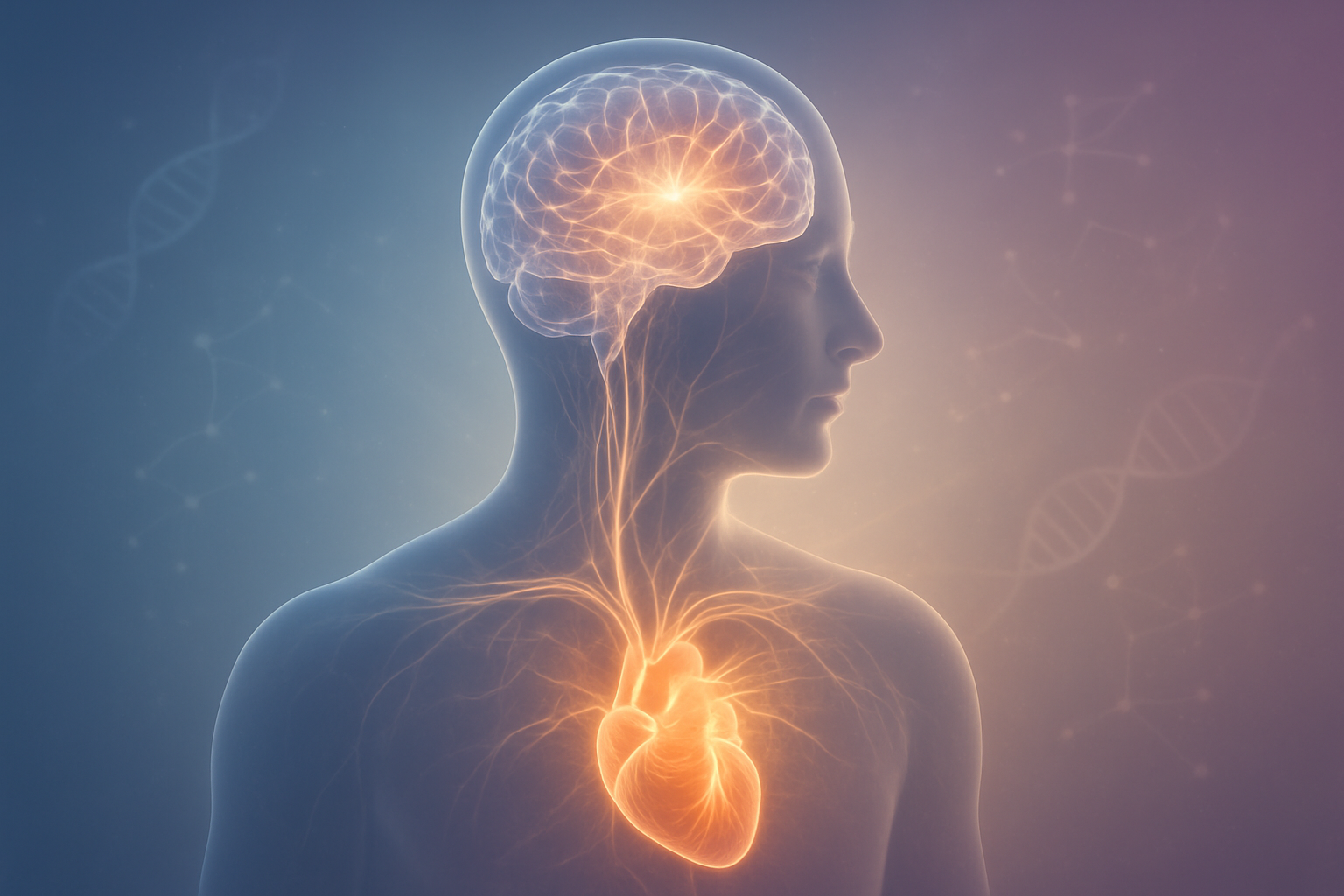
How Hormones Impact Your Physical and Mental Health
The intricate relationship between hormones and overall wellbeing forms the foundation of understanding how our bodies and minds function as an integrated system. Research in biology and endocrinology reveals that hormones serve as powerful chemical messengers that influence not only our physical health but also our mental state and cognitive processes.
Hormones operate as the body’s internal communication network, regulating everything from metabolism and immune function to mood regulation and stress response. These biochemical compounds directly affect how we feel, think, and respond to daily challenges. When hormone levels become imbalanced, the ripple effects can manifest in both physical symptoms such as fatigue, weight fluctuations, and sleep disturbances, as well as mental health challenges including anxiety, depression, and cognitive fog.
The science demonstrates that hormonal fluctuations can significantly alter our decision-making processes and goal achievement. When hormones are functioning optimally, they support clear thinking, emotional stability, and physical vitality, creating an environment where personal goals become more attainable.
The Role of Biology and Endocrinology in Daily Wellness
Building on this understanding of hormonal influence, the field of endocrinology provides crucial insights into how our biological systems impact daily wellness. Research in biology and endocrinology reveals that our hormone systems don’t operate in isolation but work together with our values, beliefs, and behaviors to shape our overall health experience.
The endocrine system’s complex network affects virtually every aspect of daily functioning. From the moment we wake up, hormones like cortisol help regulate our energy levels and stress response, while other hormones influence our appetite, mood, and ability to focus throughout the day. This biological foundation directly impacts how we make decisions, pursue our goals, and maintain our overall wellness.
Understanding these biological processes empowers individuals to recognize patterns in their health and make informed decisions about their wellness strategies. When we comprehend how our hormone systems influence our daily experiences, we can better align our lifestyle choices with our biological needs, creating a more harmonious relationship between our physical and mental wellbeing.
Evidence-Based Approaches to Holistic Health Solutions
With this foundation in mind, the pursuit of holistic health solutions requires a science-based approach that acknowledges the interconnected nature of our biological systems. Balanced Body Mind’s commitment to science-based, holistic solutions reflects the growing understanding that effective wellness strategies must address the complex interplay between hormones, behaviors, and overall health.
Evidence-based approaches to holistic health recognize that sustainable wellness cannot be achieved by addressing isolated symptoms or single aspects of health. Instead, these methods integrate knowledge from biology and endocrinology to create comprehensive solutions that support both individual and organizational health goals.
The research demonstrates that when hormones work alongside aligned values, beliefs, and behaviors, individuals can achieve better function and health outcomes. This integrated approach acknowledges that decision-making is influenced by multiple factors, including our biological state, and that effective health solutions must account for this complexity. By applying scientific principles to holistic health practices, individuals and organizations can develop more effective strategies for achieving their wellness objectives and maintaining long-term health improvements.
Addressing Core Health Challenges Through Integration

Resolving Energy and Digestive Issues Naturally
Now that we have explored the scientific foundation of mind-body connection, addressing core health challenges becomes more attainable through an integrated approach. Energy depletion and digestive dysfunction often stem from interconnected imbalances that require holistic solutions rather than isolated treatments.
The integration of mind-body practices offers powerful pathways for resolving these fundamental health concerns naturally. When we address energy issues, we’re not merely targeting symptoms but examining the underlying patterns that create fatigue and digestive distress. This comprehensive approach recognizes that our digestive system functions as our “second brain,” directly influencing our energy levels, mood stability, and overall vitality.
Pain resolution becomes more effective when we understand how physical discomfort connects to our mental and emotional states. Chronic pain patterns often interweave with digestive dysfunction, creating cycles that drain energy and diminish quality of life. Through integrated healing methods, these interconnected issues can be addressed simultaneously, providing more sustainable relief than conventional approaches that treat each symptom in isolation.
Improving Sleep Quality and Cognitive Function
Previously, sleep disorders were often treated as standalone issues, but integrative wellness recognizes the profound connections between sleep patterns and cognitive performance. Valuable advice on improving sleep emphasizes the relationship between mental clarity, emotional regulation, and restorative rest cycles.
Quality sleep serves as the foundation for optimal cognitive function, affecting memory consolidation, decision-making abilities, and emotional processing. When sleep patterns become disrupted, cognitive performance inevitably suffers, creating cascading effects throughout all aspects of health and wellness.
The integration of mind-body practices creates sustainable improvements in both sleep architecture and mental acuity. This approach addresses not just sleep hygiene but the deeper patterns of nervous system regulation that govern our natural circadian rhythms. By working with these natural cycles rather than against them, we can restore the delicate balance necessary for both restorative sleep and enhanced cognitive function.
Managing Mood Disorders and Fertility Concerns
With this understanding of interconnected health systems in mind, managing mood disorders and fertility concerns requires recognizing the intricate relationships between hormones, emotional well-being, and reproductive health. Hormones and happiness influence decision-making in ways that extend far beyond temporary emotional states, affecting long-term health outcomes and life choices.
Mood management through integrated approaches acknowledges that emotional balance depends on multiple factors including hormonal harmony, stress response patterns, and lifestyle choices. Rather than viewing mood disorders as purely psychological phenomena, this perspective embraces the complex interplay between mental, emotional, and physical health systems.
Fertility concerns often reflect deeper imbalances in hormonal systems that also affect mood, energy, and overall vitality. Hormone-related issues create ripple effects throughout multiple body systems, making integrated treatment approaches particularly valuable for addressing these complex health challenges. Understanding how hormonal fluctuations influence both fertility and emotional well-being empowers individuals to make informed decisions that support their long-term health goals.
The management of these interconnected concerns requires patience and comprehensive support, recognizing that sustainable improvements develop gradually as all systems return to optimal function.
Practical Tools for Lifestyle Transformation

Simple Diet and Nutrition Changes You Can Start Today
Now that we understand the mind-body connection, implementing immediate dietary modifications can create profound shifts in your overall well-being. The key lies in adopting uncomplicated approaches that don’t overwhelm your current lifestyle while delivering meaningful results.
Start by focusing on whole, unprocessed foods that naturally support both mental clarity and physical vitality. Replace refined sugars with natural alternatives, increase your intake of leafy greens, and incorporate lean proteins that stabilize blood sugar levels throughout the day. These simple swaps require minimal effort but yield significant benefits for energy levels and cognitive function.
Weight management becomes more sustainable when approached through mindful eating practices rather than restrictive dieting. Pay attention to portion sizes, eat slowly to allow proper digestion, and maintain consistent meal timing to support your body’s natural rhythms. This approach promotes lasting changes without the stress of complicated meal plans or calorie counting.
Effective Stress Management Techniques
With proper nutrition as your foundation, addressing stress becomes the next crucial component for holistic wellness. Stress directly impacts both mental performance and physical health, making effective management strategies essential for transformation.
Develop a toolkit of immediate stress-relief techniques that can be implemented anywhere. Deep breathing exercises, progressive muscle relaxation, and brief mindfulness practices provide instant relief during challenging moments. These techniques activate your body’s natural relaxation response, counteracting the harmful effects of chronic stress on your system.
Create structured approaches for long-term stress resilience. Establish regular sleep schedules, set healthy boundaries in personal and professional relationships, and practice saying no to commitments that drain your energy. These lifestyle adjustments build your capacity to handle stress more effectively over time.
Exercise Strategies for Better Physical and Mental Performance
Previously established nutrition and stress management practices create the perfect foundation for incorporating movement that enhances both physical strength and mental well-being. Exercise serves as a powerful catalyst for the mind-body connection, delivering benefits that extend far beyond physical fitness.
Design workout routines that address multiple aspects of wellness simultaneously. Combine cardiovascular activities with strength training to boost endorphin production while building physical resilience. Even moderate exercise, such as brisk walking or yoga, significantly improves mood, cognitive function, and overall life satisfaction.
Focus on consistency rather than intensity when establishing your exercise routine. Start with manageable sessions that fit naturally into your schedule, gradually increasing duration and complexity as your fitness improves. This approach prevents burnout while creating sustainable habits that contribute to long-term happiness and health. The goal is to find movement patterns that you genuinely enjoy, making exercise a rewarding part of your daily routine rather than a burdensome obligation.
Building Sustainable Healthy Habits

Identifying and Changing Limiting Beliefs and Behaviors
Now that we have explored practical tools for lifestyle transformation, it’s essential to examine the deeper psychological foundations that either support or sabotage our wellness journey. Values, beliefs, and behaviors form the cornerstone of our decision-making processes and directly influence our ability to achieve meaningful goals. These internal systems often operate below our conscious awareness, yet they wield tremendous power over our daily choices and long-term outcomes.
The process of identifying limiting beliefs requires honest self-reflection and careful examination of the areas where you commonly struggle. These patterns often manifest as repeated behaviors that contradict your stated health goals or persistent thoughts that undermine your confidence in achieving lasting change. By developing awareness of these patterns, you create the foundation for meaningful transformation.
Changing these entrenched behaviors demands both knowledge and practical application. The key lies in understanding how your current belief systems influence your actions and then systematically replacing limiting thoughts with more empowering alternatives. This process involves recognizing the gap between your values and your behaviors, then taking deliberate steps to align them more closely.
Creating Daily Routines That Support Your Goals
With this understanding of your internal landscape in mind, the next step involves translating positive intentions into concrete daily actions. Building sustainable routines requires implementing more positive habits into your daily life while simultaneously addressing the environmental and contextual factors that trigger old patterns.
Effective daily routines serve as the bridge between your aspirations and your reality. They provide structure and consistency that support your goals while reducing the mental energy required to make healthy choices throughout the day. The most successful routines are those that align with your personal values and account for your individual lifestyle constraints and preferences.
The implementation process should focus on gradual integration rather than dramatic overhauls. Start by identifying small, manageable changes that can be easily incorporated into your existing schedule. These foundational habits create momentum and build confidence, making it easier to expand your healthy practices over time.
Developing Long-Term Mindset Shifts for Lasting Results
Previously, we’ve established that sustainable change requires more than temporary behavioral modifications—it demands fundamental shifts in how you think about health, wellness, and personal growth. Developing a positive mindset becomes the catalyst for achieving lasting results and maintaining motivation even when faced with challenges or setbacks.
Long-term mindset shifts involve reframing your relationship with health from a temporary intervention to a lifelong practice of self-care and personal development. This perspective encourages you to think carefully about life choices, recognizing that each decision either moves you closer to or further from your wellness goals. Rather than viewing healthy habits as restrictions or obligations, this mindset shift helps you see them as investments in your future well-being and quality of life.
The journey toward lasting change requires patience and persistence, as deeply ingrained patterns don’t transform overnight. However, by combining knowledge and information about effective strategies with consistent daily practice, you create the conditions for sustainable transformation that extends far beyond short-term results.
Professional Support Options for Your Wellness Journey

One-on-One Consultation Benefits and Process
Now that we have covered the practical tools and habit-building strategies, it’s essential to explore the professional support options available for your wellness journey. The foundation of personalized health transformation begins with comprehensive one-on-one consultations designed to address your unique health needs and circumstances.
During these initial consultations, practitioners conduct thorough assessments to understand your individual health challenges, lifestyle factors, and specific goals. This personalized approach allows for the development of targeted strategies that align with your body’s unique requirements and your personal circumstances. The consultation process involves detailed discussions about your current health status, medical history, lifestyle patterns, and any specific concerns you may have regarding your mind-body balance.
These sessions provide an opportunity to receive expert guidance tailored specifically to your situation, ensuring that the recommendations you receive are both practical and achievable. The benefit of this individualized approach is that it addresses the root causes of health imbalances rather than merely treating symptoms, creating a foundation for lasting transformation.
Membership Plans for Ongoing Coaching and Support
With this foundation established through initial consultations, the next step involves accessing ongoing support through structured membership plans. These comprehensive programs are specifically designed to provide continuous coaching and guidance as you work toward achieving better function and optimal health.
Membership plans offer sustained support that goes beyond single consultations, recognizing that true health transformation is a journey that requires consistent guidance and accountability. Through these programs, members receive regular check-ins, progress monitoring, and adjustments to their wellness strategies as their needs evolve over time.
The ongoing nature of these membership plans ensures that you have continuous access to professional expertise, allowing for real-time modifications to your approach based on your progress and changing circumstances. This sustained support system significantly increases the likelihood of achieving and maintaining your health goals, as it provides the consistency and accountability that many individuals need to successfully implement lasting lifestyle changes.
Professional Training Programs for Healthcare Practitioners
Previously, we’ve discussed individual support options, but it’s equally important to address the professional development opportunities available for healthcare practitioners seeking to expand their expertise. Specialized seminars and training series are conducted to educate professionals in the critical areas of functional hormones and nutrition.
These comprehensive training programs equip healthcare practitioners with advanced knowledge and practical skills necessary to better serve their clients in achieving optimal health outcomes. The focus on functional hormones and nutrition reflects the growing understanding of how these fundamental aspects of health impact overall well-being and mind-body balance.
Through these professional development opportunities, practitioners gain deeper insights into the interconnected nature of hormonal function, nutritional status, and overall health. This enhanced knowledge enables them to provide more effective, science-based interventions for their clients, ultimately improving patient outcomes and advancing the field of integrative health care.
The training series are designed to bridge the gap between traditional healthcare approaches and functional medicine principles, providing practitioners with the tools they need to address the root causes of health imbalances rather than simply managing symptoms.

Achieving balance between body and mind isn’t just an ideal—it’s a practical approach backed by science and proven through countless success stories. By understanding the mind-body connection, addressing your core health challenges through integration, implementing practical transformation tools, and building sustainable habits, you create a foundation for lasting wellness. The journey requires commitment, but the rewards extend far beyond physical health to encompass energy, mood, sleep, and overall life satisfaction.
Your path to balanced living doesn’t have to be walked alone. Whether through professional consultation, structured membership plans, or educational seminars, support is available to guide your wellness journey. The science-based, holistic approach to resolving pain, energy, digestion, sleep, fertility, mood, and hormone-related issues offers hope for transformation. Start the conversation today and take the first step toward a more balanced, healthier, and fulfilled life.