
Table of Contents
- Why Vegetarian Diets Work for Muscle Building
- Essential Protein Sources for Vegetarians
- Indian Diet Options for Muscle Growth
- Daily Meal Planning Strategies
- Complete Supplement Guide for Vegetarians
- Nutrition Timing for Maximum Results
- Common Mistakes to Avoid
- Sample 7-Day Meal Plan
Many people think you need meat to build muscle effectively. This old belief is completely wrong. A well-planned vegetarian diet for muscle gain can help you build muscle just as well as any meat-based plan. The key is knowing which plant-based foods give you the protein and nutrients your muscles need to grow.
Why Vegetarian Diets Work for Muscle Building
A plant-based diet offers many benefits for people who want to build muscle. Plant foods are rich in vitamins, minerals, and fibre that support overall health and recovery. Your body uses amino acids from protein to repair and grow muscle tissue after workouts. The good news is that many plant foods contain all the amino acids you need.
Vegetarian muscle building works because protein is protein, regardless of where it comes from. Your muscles can’t tell if the amino acids came from chicken or chickpeas. What matters is getting enough total protein throughout the day and combining different protein sources to get all essential amino acids.
Research shows that vegetarian athletes perform just as well as meat-eaters in strength and endurance sports. Some studies even suggest that plant-based diets may reduce inflammation and speed up recovery between workouts. This means you can train harder and more often, leading to better muscle growth results.
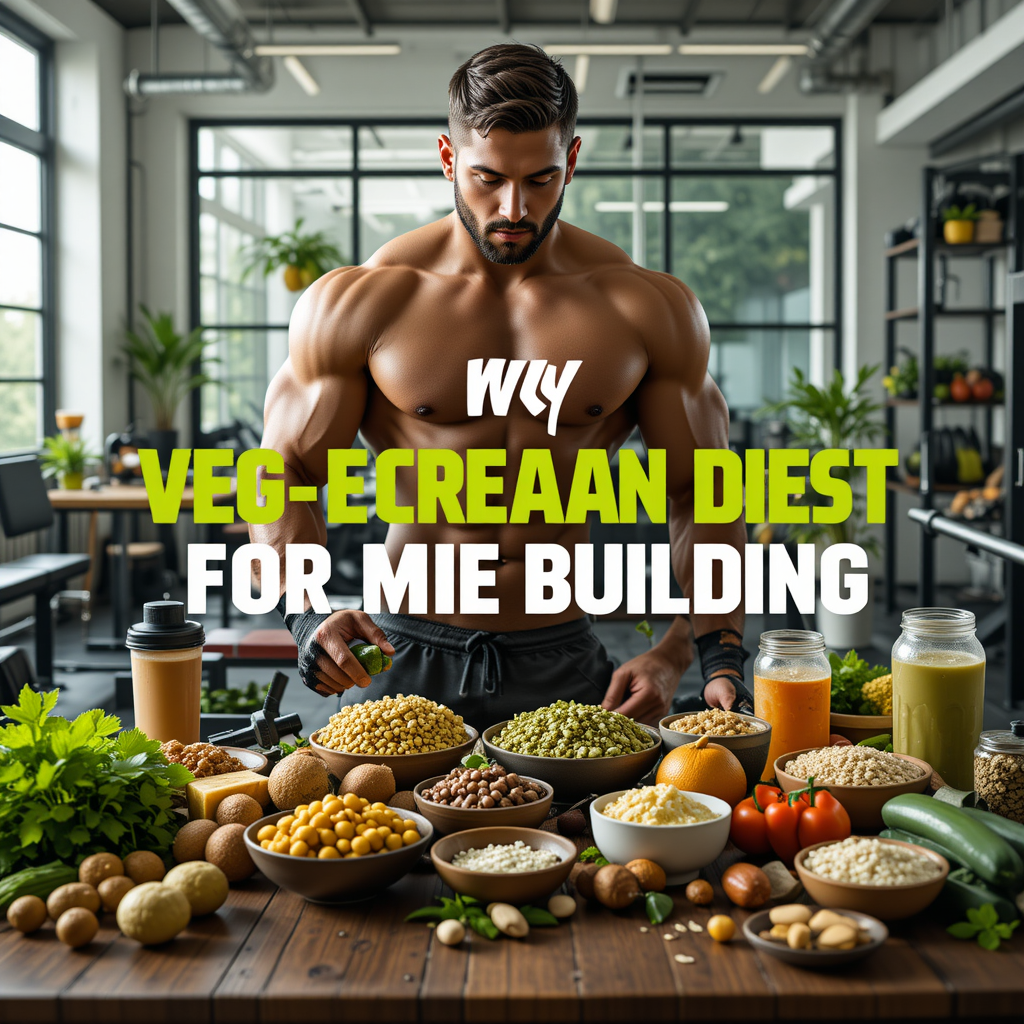
Benefits of Plant-Based Muscle Building
- Lower inflammation levels
- Better digestion and gut health
- Higher fiber intake supports hormone production
- Rich in antioxidants for faster recovery
- More sustainable and environmentally friendly
- Often more budget-friendly than meat-based diets
Essential Protein Sources for Vegetarians
Getting enough protein sources is the foundation of any successful vegetarian muscle-building plan. You need about 0.8 to 1.2 grams of protein per pound of body weight daily. Here are the best plant-based proteins to include in your diet:
Complete Protein Sources
Quinoa contains all nine essential amino acids, making it a perfect base for muscle-building meals. One cup of cooked quinoa provides 8 grams of protein plus complex carbohydrates for energy.
Hemp seeds are another complete protein source with 10 grams of protein per 3 tablespoons. They’re easy to add to smoothies, yogurt, or oatmeal.
Buckwheat offers 6 grams of protein per cooked cup and works great in pancakes, porridge, or as a rice substitute.
Chia seeds provide 5 grams of protein per 2 tablespoons plus omega-3 fatty acids for reducing inflammation.
High-Protein Legumes and Beans
- Lentils: 18 grams protein per cooked cup
- Black beans: 15 grams protein per cooked cup
- Chickpeas: 15 grams protein per cooked cup
- Split peas: 16 grams protein per cooked cup
- Kidney beans: 15 grams protein per cooked cup
Dairy and Egg Options
If you eat dairy and eggs, these foods are muscle-building powerhouses:
- Greek yogurt: 20 grams protein per cup
- Cottage cheese: 14 grams protein per half cup
- Eggs: 6 grams protein per large egg
- Milk: 8 grams protein per cup
- Cheese: varies, but most types offer 6-8 grams per ounce
Indian Diet Options for Muscle Growth
An Indian diet offers incredible variety for vegetarian muscle building. Traditional Indian foods are naturally rich in plant proteins and can easily meet your muscle-building needs.
Traditional Indian Protein Sources
Dal (lentils) forms the backbone of Indian vegetarian nutrition. Different types of dal provide varying protein amounts:
- Moong dal: 24 grams protein per 100g
- Chana dal: 22 grams protein per 100g
- Toor dal: 22 grams protein per 100g
- Masoor dal: 25 grams protein per 100g
Paneer is an excellent source of casein protein, which digests slowly and feeds your muscles for hours. A 100-gram serving contains about 18 grams of protein.
Rajma (kidney beans) and chole (chickpeas) are popular North Indian dishes that pack serious protein. Both provide around 15 grams of protein per cooked cup.
Indian Superfoods for Muscle Building
Sattu is made from roasted chickpea flour and contains about 20 grams of protein per 100 grams. Mix it with water or milk for a quick protein drink.
Sprouts are common in Indian cuisine and offer easily digestible protein. Moong sprouts contain 14 grams of protein per 100 grams.
Amaranth (rajgira) is an ancient grain that’s a complete protein. Use it to make porridge, add to smoothies, or pop it like popcorn for a high-protein snack.
Daily Meal Planning Strategies
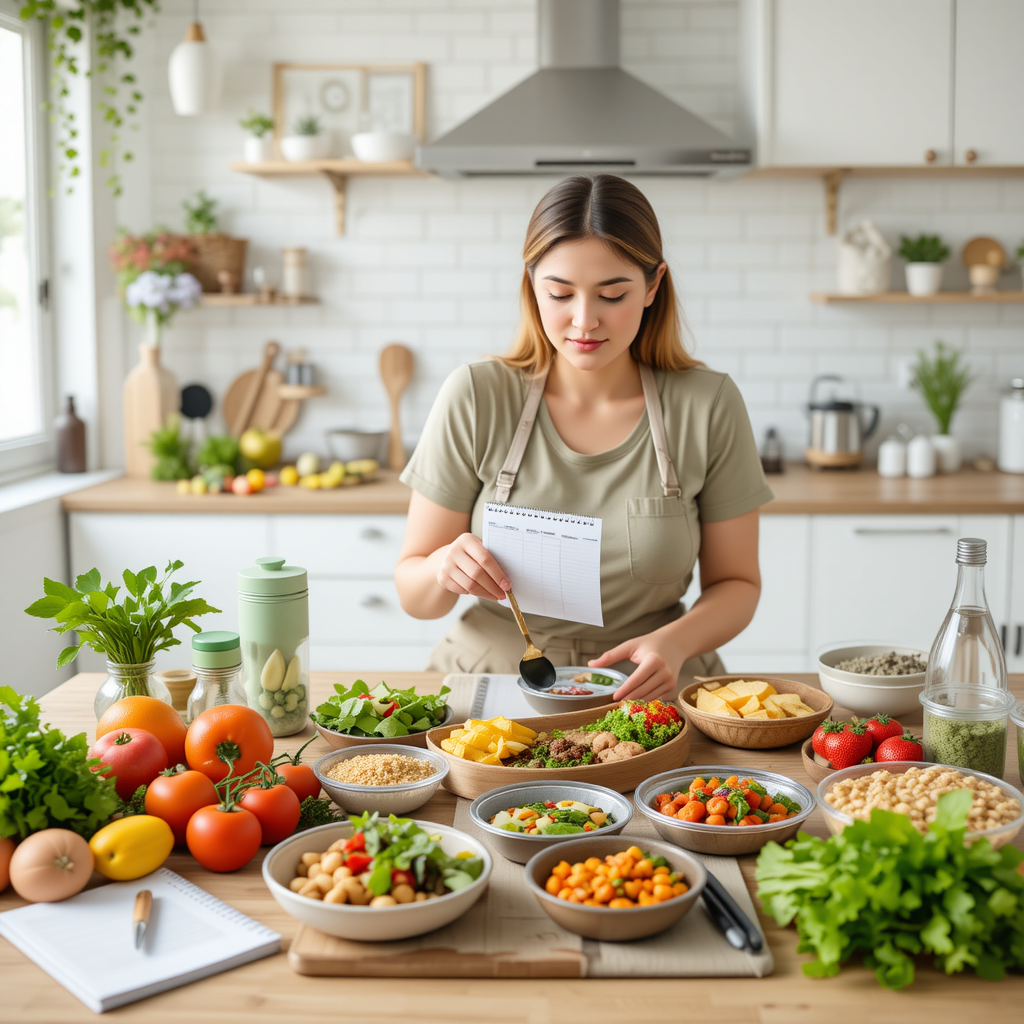
Creating a structured meal plan ensures you get enough protein and calories for muscle gain. Aim for 4-6 meals per day, spacing protein intake every 3-4 hours to maintain steady muscle protein synthesis.
Pre-Workout Nutrition
Eat 30-60 minutes before training to fuel your workouts. Choose easily digestible carbs with some protein:
- Banana with 2 tablespoons almond butter (6g protein)
- Greek yogurt with berries (15g protein)
- Oatmeal with protein powder (25g protein)
- Toast with peanut butter and banana (8g protein)
Post-Workout Recovery
Within 2 hours after training, eat a meal with 20-30 grams of protein plus carbohydrates to refill energy stores:
- Protein smoothie with fruits and oats
- Quinoa bowl with black beans and vegetables
- Greek yogurt parfait with granola and nuts
- Whole grain toast with scrambled eggs
Balanced Daily Structure
Breakfast: Focus on protein and complex carbs to start your day strong. Think protein pancakes, Greek yoghurt bowls, or vegetable omelettes.
Lunch: Include a complete protein source with plenty of vegetables and whole grains. Dal with brown rice, quinoa salad with beans, or a large chickpea curry works well.
Dinner: Keep it lighter but still protein-rich. Grilled paneer with vegetables, lentil soup with whole-grain bread, or a bean-based stir-fry are good options.
Snacks: Use snacks to boost daily protein intake. Hummus with vegetables, trail mix with nuts and seeds, or protein smoothies help meet your goals.
Complete Supplement Guide for Vegetarians
While whole foods should be your priority, certain supplements can support your vegetarian diet for muscle gain. Not all supplements are necessary, but some can be very helpful for muscle building and overall health.
Protein Powders
Plant-based protein powders make it easy to hit daily protein targets. Look for blends that combine different protein sources for complete amino acid profiles:
- Pea protein: Easily digestible, 20-25g protein per scoop
- Hemp protein: Complete protein plus healthy fats
- Brown rice protein: Hypoallergenic option with good amino acid profile
- Blended plant proteins: Combine pea, rice, and hemp for optimal nutrition
Essential Supplements for Vegetarians
Vitamin B12 is crucial since it’s mainly found in animal products. Take 250-500 mcg daily or 2500 mcg weekly to maintain healthy levels.
Iron can be harder to absorb from plant sources. If blood tests show low iron, consider a supplement with vitamin C to improve absorption.
Vitamin D supports bone health and hormone production. Most people, regardless of diet, benefit from 1000-2000 IU daily, especially in winter months.
Omega-3 fatty acids from algae oil provide EPA and DHA for reducing inflammation and supporting recovery.
Performance Supplements
Creatine monohydrate helps with strength and power during workouts. Take 3-5 grams daily – it’s one of the most researched and effective supplements for muscle building.
Beta-alanine can improve muscular endurance during high-intensity training. Take 3-5 grams daily, splitting into smaller doses to avoid tingling.
Nutrition Timing for Maximum Results
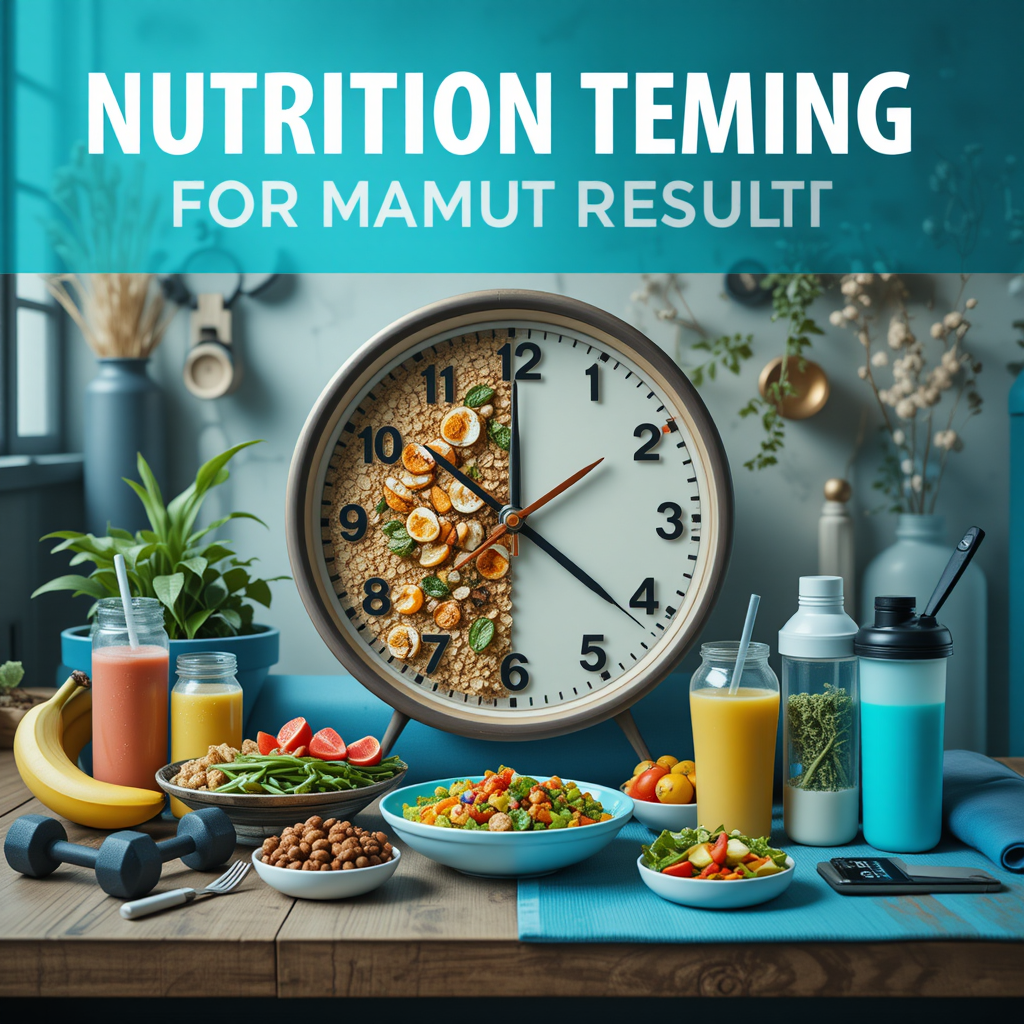
When you eat matters almost as much as what you eat for muscle gain. Proper timing helps your body use nutrients more effectively and supports better recovery between workouts.
Protein Distribution Throughout the Day
Instead of eating most of your protein in one large meal, spread it across 4-6 smaller meals. Research shows that eating 20-30 grams of protein every 3-4 hours maximizes muscle protein synthesis.
Morning: Start with 25-30g protein to stop muscle breakdown after the overnight fast
Mid-morning: Light protein snack if needed (10-15g)
Lunch: Substantial meal with 25-30g protein
Pre-workout: 10-15g protein if training later
Post-workout: 25-30g protein within 2 hours of training
Evening: 20-25g protein with dinner
Carbohydrate Timing
Fitness performance improves when you time carbs around workouts. Eat easily digestible carbs before training for energy, and include carbs post-workout to refill muscle glycogen stores.
Pre-workout carbs (30-60 minutes before): 30-50 grams from sources like bananas, dates, or oatmeal.
Post-workout carbs (within 2 hours): 50-100 grams from whole grains, fruits, or starchy vegetables combined with your protein.
Common Mistakes to Avoid
Many people starting a vegetarian diet for muscle gain make preventable mistakes that slow their progress. Avoiding these issues will help you see results faster and maintain better health.
Not Eating Enough Calories
Building muscle requires eating more calories than you burn. Many plant foods are less calorie-dense than meat, so you might not eat enough total calories even if you feel full. Track your intake for a few weeks to ensure you’re eating enough.
Relying Too Heavily on Processed Foods
‘Vegetarian’ doesn’t automatically mean ‘healthy’. Many meat substitutes are highly processed and lack the nutrients of whole plant foods. Focus on minimally processed options like beans, lentils, nuts, and seeds rather than packaged products.
Incomplete Protein Combining
While you don’t need perfect amino acid combinations at every meal, getting variety throughout the day ensures you consume all essential amino acids. Include different types of legumes, grains, nuts, and seeds regularly.
Ignoring Micronutrients
Building muscle requires more than just protein. Iron, zinc, calcium, and B-vitamins all play important roles in muscle function and recovery. Eat a colourful variety of vegetables and consider a basic multivitamin if your diet lacks diversity.
Inconsistent Meal Timing
Eating randomly throughout the day can lead to long periods without protein, which may slow muscle building. Try to eat something with protein every 3-4 hours to maintain steady muscle protein synthesis.
Sample 7-Day Meal Plan
This sample plan provides approximately 120-140 grams of protein daily and 2,400-2,600 calories, suitable for someone weighing 150-160 pounds who exercises regularly.
Day 1
Breakfast: Greek yogurt (1 cup) with berries, granola, and 2 tbsp hemp seeds (35g protein)
Snack: Apple with 2 tbsp almond butter (8g protein)
Lunch: Quinoa bowl with black beans, roasted vegetables, and tahini dressing (28g protein)
Snack: Protein smoothie with plant protein powder, banana, and spinach (25g protein)
Dinner: Lentil curry with brown rice and side of Greek yogurt (32g protein)
Day 2
Breakfast: Protein pancakes made with oats and protein powder, and topped with nut butter (30g protein)
Snack: Trail mix with nuts, seeds, and dried fruit (8g protein)
Lunch: Large chickpea salad with vegetables and feta cheese (25g protein)
Snack: Cottage cheese with cucumber and tomatoes (14g protein)
Dinner: Stuffed bell peppers with quinoa, beans, and cheese (28g protein)
Day 3-7
Continue varying protein sources, including different types of dal, paneer dishes, egg preparations, and bean-based meals. Mix Indian and international cuisines to keep meals interesting while meeting your protein and calorie goals.
The key to success with a vegetarian diet for muscle gain is consistency, variety, and patience. Your muscles will grow just as well on plants as they would on meat, provided you give them the protein, calories, and nutrients they need. Start implementing these strategies today, track your progress, and adjust your plan based on your results. With dedication to proper nutrition and regular training, you’ll achieve the muscle growth you’re working toward.
Remember that building muscle takes time regardless of your diet type. Focus on making sustainable changes you can stick with long-term rather than trying to perfect everything immediately. Your future stronger self will thank you for starting this journey toward better health and fitness through plant-based nutrition.